
That Drip in the Chula Vista, CA, Kitchen Sink Might Be Ruining Your Pipes
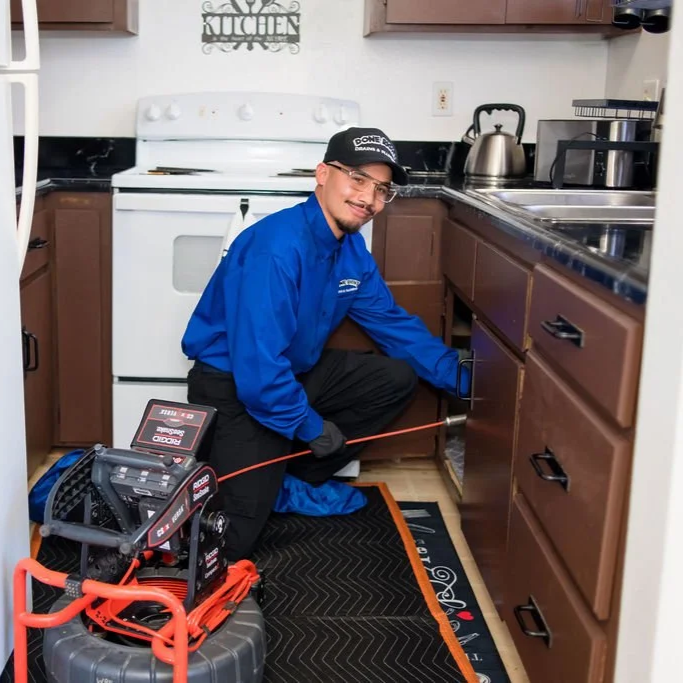
A leak here isn’t just a surface problem. Left alone, it will expand, sometimes causing your entire kitchen plumbing system to fail in the middle of the night when it’s least convenient. That slow drip is the kind of thing that can ruin dinner plans and your weekend before you even know it.
I swear, if I hear another homeowner in Chula Vista muttering about that slow drip under their kitchen sink, I’m going to lose it. You think it’s just a minor annoyance, a “little leak,” but by the time most people call me, it’s already started wreaking havoc in ways they didn’t even imagine. That constant dripping isn’t just wasting water; it’s quietly wearing out your pipes, inviting corrosion, and sometimes even causing hidden mold or water damage behind cabinets before anyone notices. You might open your sink cabinet and think, “Eh, it’s just a leak,” but that tiny sound could cost thousands if ignored.
Most homeowners don’t realize how fast a neglected kitchen sink drip can escalate. The water pressure in Chula Vista homes isn’t extreme, but repeated drips over weeks or months stress older copper, PVC, or galvanized pipes, slowly eroding them. Then there’s the connection joints—those tight little spots where pipes meet and seal. A leak here isn’t just a surface problem. Left alone, it will expand, sometimes causing your entire kitchen plumbing system to fail in the middle of the night when it’s least convenient. That slow drip is the kind of thing that can ruin dinner plans and your weekend before you even know it.
Why That Small Leak Leads to Full Pipe Replacement
It’s tempting to think a quick patch or a few drops of plumbing tape can solve a slow kitchen sink leak. Plenty of DIY guides out there make it look simple: tighten the nut, wrap some tape, call it a day. In reality, those “quick fixes” are temporary at best. I’ve seen homeowners in Chula Vista think they’ve solved a leak only to find the same spot dripping again in a month, sometimes worse.
The problem isn’t just the water you see. That drip is signaling a weakened pipe system underneath. Metal pipes corrode from the inside, especially older galvanized or copper pipes, and PVC connections can crack or loosen due to repeated pressure and temperature changes. When the leak persists, water begins to saturate wooden cabinet bases, flooring, and even walls if it finds a path. Once the damage spreads, patching the leak won’t save you—you’ll need full pipe replacement. That’s why we always check the whole system when a leak shows up, not just the sink itself.
Common Mistakes Chula Vista Homeowners Make With Leaky Pipes
A lot of homeowners assume leaks are just a nuisance to be tolerated until they get worse, or they trust old-school “repairs” that were never meant to last. One of the most frequent mistakes is ignoring a small leak because it’s not “flooding” the kitchen. I can’t stress enough: water is sneaky. A drip every few seconds doesn’t seem like much until you realize it can put gallons of water through a cabinet in a single week. That’s enough to rust a pipe or rot a cabinet base.
Another misstep is using plumbing sealants as a permanent solution. Sealants, tape, and putty are great for temporary fixes or emergency stops, but homeowners often leave them in place for years. Over time, these shortcuts degrade, the pipe continues to corrode, and suddenly you’re dealing with a pipe that needs a full replacement rather than a simple leak repair. People also underestimate the importance of pipe material. Older homes in Chula Vista, especially those built in the 70s or 80s, may have galvanized or polybutylene pipes. These materials don’t hold up over decades, and when a leak appears, it’s a warning: the entire line could fail without timely pipe replacement.
How Hidden Damage Compounds Over Time
It’s one thing to see a drip; it’s another to understand what’s happening inside your walls. When water leaks steadily, it can seep into areas you can’t see: under the sink, into wall cavities, and along the flooring. Even a small amount of moisture left unchecked can promote mold growth or wood rot, which most homeowners notice only when the damage is severe. I’ve been called into kitchens where the leak seemed minor, only to find we had to replace the under-sink plumbing and parts of the floor.
What homeowners rarely realize is that the longer a leak persists, the faster it accelerates internal pipe corrosion. Metal pipes react with oxygen and minerals in water, gradually forming rust. Rust weakens the pipe wall, narrowing the interior, reducing water flow, and increasing the likelihood of sudden breaks. PVC pipes don’t corrode like metal, but heat and pressure fluctuations can cause joints to crack or warp. Waiting too long often turns a simple fix into a full pipe replacement.
Why Kitchen Sink Leaks Are More Dangerous Than Bathroom Drips
Homeowners often focus on bathroom leaks first because they’re in the shower or toilet, assuming kitchen sinks are “safe.” In truth, kitchen sink leaks are uniquely risky. The constant exposure to dishwater, food particles, and sometimes grease accelerates corrosion and clogs in ways that bathrooms don’t. That grease may harden in the pipes, slowing water flow, adding stress to joints, and forcing water to leak elsewhere. A slow drip can turn into a much bigger issue faster than a small bathroom leak.
There’s also the hidden effect on water pressure. A leak under the kitchen sink can divert flow away from other fixtures, leaving your bathroom faucets or outdoor hose weaker than expected. Homeowners often blame low pressure on the municipal supply, not realizing a pinhole leak under the kitchen sink might be the culprit. Left unresolved, these leaks create a ripple effect, stressing your entire home plumbing system.
Signs You’re About to Face Full Pipe Replacement
Most Chula Vista homeowners call a professional only when water is pooling on the floor. That’s late. A few warning signs often precede major failures. Rust-colored water, unexplained drops in water pressure, or visible mineral buildup around joints are all red flags. Hearing constant dripping sounds when no tap is running is another. Even the smell of dampness near cabinets or under the sink can hint at hidden damage.
Another subtle sign is temperature fluctuation in your hot water supply. If hot water suddenly feels cooler or inconsistent, corrosion or blockages from leaks might be forming inside the pipes. Catching these early saves money and stress. Done Right Drains and Plumbing sees these signs in Chula Vista homes every week, and they almost always precede a larger pipe replacement if ignored. Acting early means preventing a catastrophic failure, rather than discovering it after the cabinet floods.
Why DIY Fixes Often Backfire
I get it. Many homeowners in Chula Vista try DIY fixes because plumbing can seem expensive or intimidating. Tightening a joint, adding sealant, or replacing a washer feels satisfying—but too often, the fix doesn’t last. Pipes bend, joints loosen, and materials degrade in ways homeowners rarely anticipate. I’ve seen dozens of cases where a temporary DIY repair delayed proper pipe replacement, making the eventual repair more costly and invasive.
Some DIYers also fail to recognize that a leak isn’t always the root problem. A pinhole drip might be the first visible symptom of corroded copper lines running behind walls or beneath floors. Focusing only on the surface leak is like putting a bandage on a deep cut. Over time, small mistakes compound, and what could have been a simple repair ends up requiring full kitchen pipe replacement.
How Seasonal Changes Affect Chula Vista Pipes
Chula Vista enjoys mild weather, but even small temperature swings affect plumbing. Hot summers can cause pipes to expand slightly, loosening joints, while cooler winter nights allow contraction that can create micro-cracks. Those micro-cracks are perfect breeding grounds for leaks that start small but grow steadily. Homeowners who ignore minor drips during seasonal shifts often see those leaks worsen in cycles: tiny in summer, slightly larger in winter, until a full replacement becomes unavoidable.
Water pressure fluctuations in Chula Vista homes are another factor. Peak usage times, like mornings when everyone showers or evenings with multiple appliances running, stress older plumbing systems. Pipes that leak slowly under low-use conditions can suddenly fail during high-demand periods, leading to water damage or bursts. Being aware of these seasonal stressors helps homeowners understand why early intervention matters.
What Full Pipe Replacement Looks Like
When the decision is made to replace pipes, homeowners often worry about disruption, costs, or mess. In reality, modern pipe replacement can be straightforward if handled by professionals. We remove damaged sections, install new copper or PEX lines, and replace weakened joints, restoring water flow and reliability. Homeowners often remark on the difference immediately: steady water pressure, no drips, and peace of mind knowing the system isn’t silently deteriorating.
Pipe replacement also addresses hidden damage. Once we remove old lines, we inspect cabinets, flooring, and wall cavities for mold or rot caused by the leak. It’s not just about the pipes—it’s about protecting the entire kitchen environment. Homeowners in Chula Vista often say they wish they hadn’t waited so long because the minor inconvenience of replacement is far less disruptive than dealing with a flooded kitchen later.
Planning For Longevity After Replacement
Replacing pipes is only part of the solution. Homeowners need to monitor for slow leaks, check water pressure, and schedule periodic inspections. Even with modern materials like PEX or upgraded copper, connections can loosen or degrade over time. Keeping an eye on the kitchen sink, especially under the cabinet, prevents small issues from escalating into full replacements again.
Water quality matters too. Hard water, common in parts of San Diego, can accelerate mineral buildup and corrosion. Installing a water softener or regularly cleaning aerators and filters helps new pipes last longer. Simple steps, combined with professional installation, extend the life of your system and reduce the chance of surprise leaks that could damage your kitchen or home.
Done Right Drains & Plumbing delivers comprehensive pipe repair and replacement services, including burst pipe repair, leaking pipe repair, pipe replacement, whole home repiping, and slab leak detection & repair. Our skilled team handles residential plumbing systems with precision and a strong focus on long-term performance. Whether you’re facing an unexpected pipe failure or planning a major upgrade, we offer dependable service and clear communication. Schedule your service today and protect your home from further damage.
