
Why That Musty Smell in Your Basement Won’t Go Away—And What Most Homeowners Miss
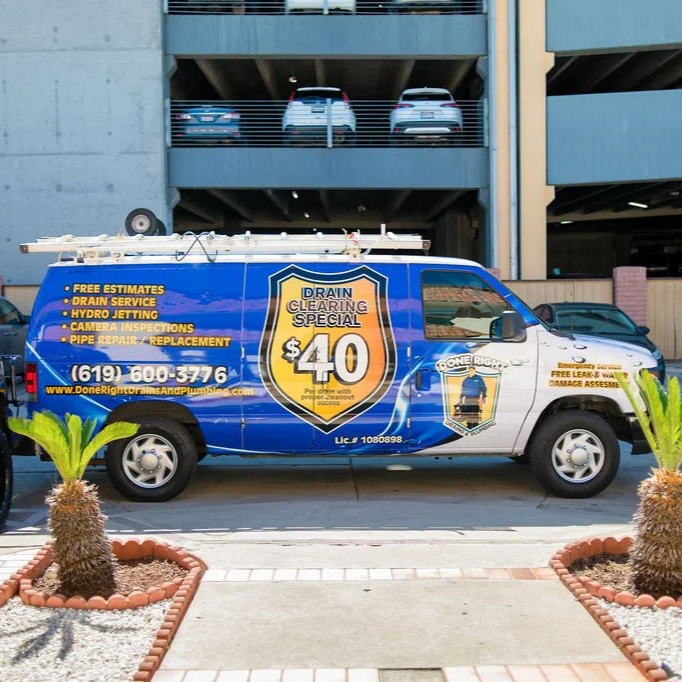
A professional assessment examines root causes, not just symptoms, and provides a clear picture of risks and next steps so you can act before things spiral out of control.
Ever open your basement door and get hit by that damp, sour smell again? You plug the dehumidifier, toss some baking soda down, and hope for the best, but the smell keeps coming back. That lingering odor isn’t just unpleasant—it’s a warning sign that water is creeping in, damaging your walls, flooring, and even your foundation without you realizing it. Most homeowners put off checking until a pipe bursts or mold starts spreading, but by then the damage is expensive and frustrating to fix.
A Free Water Damage Assessment can uncover hidden leaks and moisture problems before they ruin your home. You might think “It’s just a little condensation” or “I’ll dry it out myself,” but these assumptions often cost more in the long run. A professional assessment examines root causes, not just symptoms, and provides a clear picture of risks and next steps so you can act before things spiral out of control.
Why Free Water Damage Assessments Matter More Than You Think
Many homeowners assume a small leak or damp patch is minor, thinking it’s easy to fix with a patch or a bucket. The problem is that water damage rarely stays confined. Moisture seeps into insulation, behind walls, under floors, and into framing. Over time, this compromises the structure of your home, weakens drywall, and creates the perfect environment for mold growth. A Free Water Damage Assessment doesn’t just look at what’s visible. Professionals use moisture meters, thermal imaging, and experience to spot hidden risks that a DIY check would completely miss.
Even small signs like a faint musty smell, peeling paint, or warped flooring often point to larger problems. Ignoring them can lead to more serious issues, such as electrical hazards, foundation cracks, and persistent mold that can affect your family’s health. By the time visible water damage appears, secondary damage—like rot, mildew, and increased energy costs from damp insulation—is already underway. A free assessment helps homeowners prioritize repairs intelligently rather than reacting to a full-blown emergency.
What Happens During a Free Water Damage Assessment
A Free Water Damage Assessment is more than a casual walkthrough. The technician examines every likely and unlikely spot for water intrusion. That includes checking basement corners, crawl spaces, plumbing junctions, appliances, and even your roof and exterior drainage patterns. Professionals also evaluate humidity levels and look for signs of past leaks that might have gone unnoticed. It’s a detailed, hands-on process that can uncover problems lurking behind walls or under floors that you wouldn’t even think to inspect.
Many homeowners are surprised to learn that some water damage isn’t from a pipe leak at all. Condensation from HVAC systems, poor ventilation, or improper grading around the foundation can slowly introduce moisture into the home. The assessor documents these findings, providing a report that explains what’s causing the issue, how extensive it might be, and what repairs or preventive steps are recommended. This transparency helps homeowners make informed decisions instead of guessing and patching only what’s visible.
Common Homeowner Mistakes That Make Water Damage Worse
Homeowners often underestimate how quickly water damage escalates. A frequent mistake is assuming that small leaks or standing water after a storm aren’t urgent. They might dry the surface with a mop and forget that water has soaked into drywall, subflooring, or insulation. Another common error is using inexpensive, temporary fixes like caulk or tape, thinking they will hold off a bigger problem. These stopgap solutions rarely last, and when they fail, the damage can become more extensive and expensive to repair.
People also often assume that insurance will cover all water damage. While policies might cover sudden pipe bursts, slow leaks, and negligence are often excluded. A Free Water Damage Assessment can help homeowners document problems early and take proactive steps, which can sometimes affect coverage eligibility and reduce the risk of catastrophic loss. By waiting, homeowners not only face higher repair costs but also the stress and disruption of emergency remediation.
How Professionals Identify Hidden Risks
Hidden risks are everywhere in a home, and only experienced eyes and specialized tools can detect them consistently. Thermal imaging cameras can reveal wet spots behind walls, ceilings, or floors that appear completely dry on the surface. Moisture meters quantify exactly how damp materials are, giving a real sense of urgency rather than guesswork. Inspectors also check for signs of mold spores, structural weakening, and even insect infestation that water damage often attracts.
It’s easy to think, “I’ll see the problem if it gets bad,” but the reality is water damage is often silent until it’s costly. A Free Water Damage Assessment highlights areas that need immediate attention versus those that can be monitored. This approach prevents homeowners from overreacting or spending money on unnecessary repairs while also catching serious threats before they escalate. It’s a balance that only comes from experience and a methodical inspection process.
The Difference Between Regular Maintenance and a Free Assessment
Routine plumbing checks are essential, but they’re not the same as a Free Water Damage Assessment. Maintenance might confirm pipes are intact and fixtures are working, but it doesn’t catch subtle moisture issues, hidden leaks, or drainage problems. Assessments dig deeper. They look for patterns that indicate chronic problems, like condensation forming behind an exterior wall or slow seepage from the foundation. By understanding these underlying causes, homeowners avoid repeatedly fixing the same symptoms without resolving the real issue.
Another difference is timing. Seasonal changes, temperature swings, and heavy rainfall affect how water interacts with your home. A Free Water Damage Assessment often factors in external influences, helping predict potential problems before they appear. Regular maintenance keeps systems running, but doesn’t always identify risks that develop silently over months or years. Assessments give a snapshot of current vulnerabilities while anticipating future damage.
What Homeowners Often Overlook During Assessments
One common oversight is thinking a basement sump pump or drain tile system guarantees safety. Pumps can fail, drain tiles can clog, and soil grading can redirect water toward the foundation. Another overlooked area is around appliances. Washing machines, dishwashers, and water heaters leak slowly over time, soaking the surrounding flooring and cabinets. Without a professional assessment, these problems are easy to miss until you notice bubbling floors or warped cabinets.
Homeowners also rarely account for roof and exterior water management. Rainwater should flow away from your foundation, but clogged gutters, downspouts, or improper landscaping can send water straight toward your basement. Even the best interior maintenance can’t compensate for exterior issues. Assessments consider these factors holistically, so you understand the full scope of potential water damage and how it interacts with your home’s plumbing and drainage systems.
How a Free Water Damage Assessment Can Save Money
Many homeowners hesitate to schedule a Free Water Damage Assessment, thinking it’s unnecessary until a problem becomes obvious. The irony is that early detection saves money by preventing widespread damage. Small leaks left unchecked often cause structural damage, mold remediation, and even the replacement of cabinets, flooring, or drywall. Catching a problem early typically costs a fraction of what emergency repairs demand.
Additionally, assessments provide documentation that can be critical when dealing with insurance claims. Homeowners who have an official report showing the source and extent of damage are in a stronger position to receive coverage for repairs. Beyond money, the assessment gives peace of mind. Knowing exactly where the issues are and what needs fixing stops the endless guessing and prevents ongoing frustration with persistent odors, warped floors, or recurring damp spots.
What Happens After the Assessment
After the Free Water Damage Assessment, homeowners receive a detailed report outlining all findings. This includes current problem areas, potential risks, and recommended repair or preventive measures. Professionals often provide guidance on prioritizing repairs by severity, helping homeowners plan financially and logistically.
The assessor may also suggest long-term strategies to reduce future risks, such as improved drainage, pipe replacement, or ventilation upgrades. While homeowners can choose to implement these solutions themselves, most find it more effective to hire professionals to address both immediate and underlying issues. The goal isn’t just to fix visible damage but to stop ongoing moisture intrusion and protect the home from future headaches.
Real-Life Examples of What Assessments Catch
A Free Water Damage Assessment often reveals problems that homeowners would never detect on their own. For example, a slow leak behind a kitchen cabinet may have been seeping into the subfloor for months, creating mold that triggers allergies. Another common scenario is foundation seepage that shows no visible water but compromises drywall and flooring over time. Assessments can even catch HVAC condensation issues or clogged gutters that redirect water toward vulnerable areas.
Seeing the full picture often surprises homeowners. They learn that what seemed like minor damp spots were actually warning signs of larger structural and health risks. Addressing these issues early reduces long-term repair costs and protects the home’s value, while giving the homeowner peace of mind that their property is safe and dry.
When to Schedule Your Free Water Damage Assessment
Homeowners should consider scheduling a Free Water Damage Assessment whenever they notice recurring damp smells, water stains, peeling paint, or warped flooring. Seasonal changes, especially after heavy rain or snowmelt, are ideal times to check for hidden leaks. Whenever a home shows unexplained humidity or condensation, an assessment can catch problems before they escalate.
Even if no visible signs exist, a professional assessment can be worthwhile, particularly in older homes, homes with basements or crawl spaces, or properties in areas prone to heavy rainfall. The cost of waiting until visible damage appears almost always exceeds the investment of a thorough early inspection.
Done Right Drains & Plumbing offers a reliable, all-in-one solution for professional plumbing services, including water heater services, bathroom, kitchen & laundry plumbing, general plumbing, inspection & gas lines, and hydro jetting in Chula Vista, CA. Our experienced team services residential plumbing systems with a focus on efficiency, safety, and long-term performance. Whether you need urgent water heater repair or a full system upgrade, we provide clear communication and upfront pricing you can trust. Schedule your plumbing service today and get dependable results before small issues turn into costly repairs.
