
Why Your Plumbing Bill Feels Way Too High and Could Be Wrong
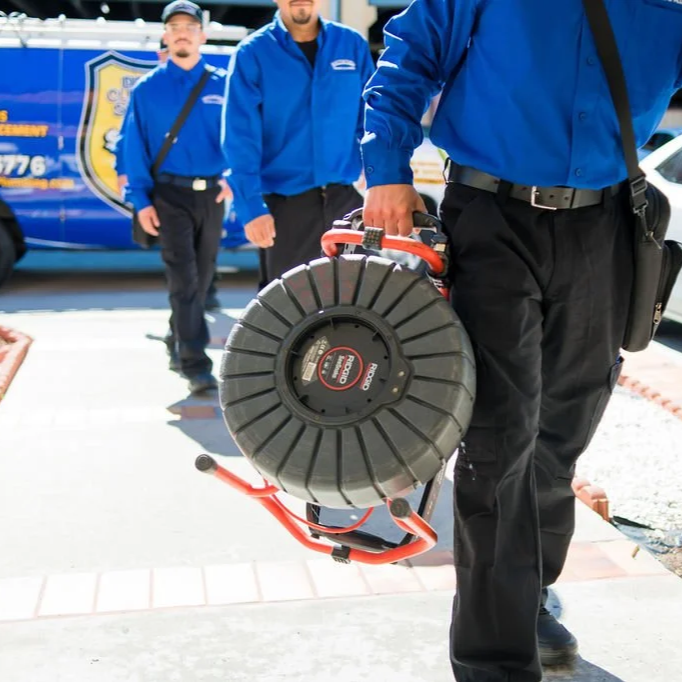
Second opinion plumbing evaluations are exactly what homeowners need when the fix feels too expensive, too quick, or too uncertain.
"I can't believe they're charging me this much for a clogged pipe." That's what most homeowners mutter when the plumber leaves after a quick fix, only for the same leak or slow drain to pop back up a month later. Rising bills, wasted time, and that constant drip in the kitchen or bathroom can make anyone feel like they're trapped in their own house. A second opinion on plumbing repairs might feel like overkill, but it can save thousands and prevent headaches that stretch well beyond the money.
Calling in another plumber isn't about distrust—it's about avoiding being stuck with a patch that doesn't hold or paying for work you don't need. Second opinion plumbing evaluations are exactly what homeowners need when the fix feels too expensive, too quick, or too uncertain.
Why Most Homeowners Accept Quick Fixes and Pay Too Much
When a pipe leaks under the sink or a water heater starts making noises, the first call usually goes to the closest or most advertised plumber. Homeowners assume the estimate they receive is standard or fair. The problem is that not all plumbers see the full picture right away, especially if they're in a hurry or trying to upsell a repair.
A common scenario: a homeowner notices slow drainage in the bathtub and a plumber diagnoses a clogged line. The repair estimate is $700 for a pipe replacement. Most people nod and schedule it, thinking, "Well, I don't want a mess, and this seems urgent."" But a second opinion might reveal a simple venting issue or a partial clog that could be fixed for $150. What seems urgent isn't always catastrophic, and skipping a second look often means overpaying while living with unnecessary replacements.
What a Second Opinion Plumbing Evaluation Actually Looks Like
Many homeowners picture a second opinion as two plumbers arguing in the kitchen over whose estimate is right. The reality is far more practical. A second-opinion plumbing evaluation involves a careful review of the problem, often with diagnostics that the first visit might have missed. This can include a camera inspection of drains, water-pressure tests, or reviewing the existing plumbing layout to determine whether the proposed repair is really necessary.
The benefit isn't just about saving money. It's about having confidence that the repair is done correctly. Plumbing issues compound quickly. A missed joint leak or a partially clogged line can escalate into water damage, mold, or higher utility bills. Getting a second opinion adds clarity and can prevent repeated interruptions, wasted weekends, and the constant frustration of wondering whether the job was done right the first time.
Common Misconceptions That Lead to Overpaying
Homeowners often fall for a few key plumbing repair myths. One of the biggest is that bigger problems always mean higher costs. It's tempting to believe that a noisy water heater or a slow toilet signals a major replacement. In truth, minor maintenance or a targeted repair is often enough, and second-opinion plumbing evaluations can catch these scenarios.
Another misconception is that the first plumber is automatically the most qualified. While many are, even experienced professionals can have blind spots or prioritize speed over a deep assessment. Some may recommend replacements when a repair would suffice, or replace an entire fixture rather than isolating the failing part. Understanding these false assumptions helps homeowners avoid the shock of an inflated bill or recurring issues that a proper evaluation could have prevented.
When Quick Fixes Cause Long-Term Headaches
A fast fix can feel like relief in the moment, but it's rarely a guarantee. Take clogged drains: snaking the pipe might clear the blockage temporarily, but if the root cause is improper venting, misaligned pipes, or even tree root intrusion outside the home, the issue will return. Homeowners often see the initial repair work and assume the problem is solved, only to discover higher water bills or repeated backups weeks later.
Second opinion plumbing evaluations dig deeper. They don't just address the visible symptom; they examine the underlying cause. For homeowners, that means avoiding wasted weekends and the anxiety of constant plumbing interruptions. It also helps identify whether the initial diagnosis exaggerated the problem—saving money and giving peace of mind.
How Seasonal Changes Can Affect Plumbing Decisions
Many plumbing issues are seasonal, but homeowners often miss the timing factor. For example, winter brings frozen pipes and slow-flowing water due to ice in the lines. Summer heat can exacerbate leaks and expand existing cracks. A repair that seems minor in one season can become a major headache in another.
When homeowners seek a second opinion, plumbers will consider these timing factors. They can recommend the safest repair schedule or suggest preventive measures that reduce future disruptions. Homeowners often report feeling blindsided when a repair works temporarily in spring but fails in late summer. A second opinion mitigates these surprises by factoring in seasonal stresses before work is done.
Real-World Examples That Make Homeowners Relate
Consider the kitchen sink that drains slowly after every dinner. The first plumber replaces the P-trap and charges $400. Weeks later, the sink is sluggish again. A second opinion finds the vent pipe clogged, which is easily cleared for $120. The difference isn't just cost; it's the months of frustration avoided, not to mention preventing potential water damage under the sink.
Or think about the water heater that rattles and hums. Homeowners often accept the "replace it now" advice due to fear of flooding. A second opinion evaluation may show sediment buildup as the cause—something a flush and maintenance can solve, extending the unit's life by years. Small misdiagnoses like this can quickly escalate into unnecessary replacements that cost thousands.
How to Decide If You Need a Second Opinion
If a plumbing repair feels expensive, rushed, or confusing, that's a red flag. Other indicators include:
Multiple estimates vary drastically for the same repair
The proposed solution seems invasive for a minor issue
A previous repair failed sooner than expected
You're unsure whether the repair addresses the root cause
A second opinion plumbing evaluation is a practical safeguard. It doesn't disrespect the first plumber; it gives homeowners a fuller picture and actionable guidance. Most importantly, it prevents ongoing headaches caused by an incomplete, overpriced, or misdiagnosed repair.
Choosing the Right Professional for a Second Opinion
Not every plumber is suited to a second-opinion evaluation. Look for someone willing to explain their findings clearly, show you what they see, and discuss alternatives without rushing. Homeowners appreciate plumbers who back up their assessments with diagnostic tools, such as drain cameras, pressure tests, or water heater inspections.
Transparency matters. A second opinion should provide actionable options, including cost-effective repairs versus replacements, and the reasoning behind each choice. Homeowners often feel empowered after such evaluations, as they can make decisions with confidence instead of fear or guesswork.
Avoiding Recurring Problems With Smart Maintenance
A secondary evaluation can also reveal maintenance habits that prevent future issues. Clogged drains, low water pressure, and leaks often return because homeowners unknowingly contribute to wear. Second-opinion plumbers can spot these patterns and advise on simple adjustments, such as avoiding certain cleaners, managing hot water temperatures, or scheduling regular inspections.
Over time, these small preventive actions add up. Homeowners notice fewer interruptions, lower bills, and a general sense of control over their home plumbing. Even though a second opinion might feel unnecessary initially, it's often the smartest long-term investment in both comfort and cost savings.
Recognizing When a Repair Is a Genuine Emergency
Not all plumbing problems require a second opinion before acting. Burst pipes, sewer backups, or severe leaks need immediate attention to prevent water damage and health risks. The key is distinguishing between urgent repairs that demand immediate action and non-emergency issues where a second opinion could prevent overpayment or improper work.
Homeowners often panic and assume the worst. A second opinion doesn't slow emergency responses; it clarifies non-urgent situations, giving homeowners confidence they're making informed choices without delaying critical fixes.
The Emotional Benefit of Clarity
Beyond cost savings, second opinion plumbing evaluations relieve stress. Constant leaks, noisy drains, and unexplained spikes in water bills can erode a homeowner's sense of control. Knowing that multiple professionals have evaluated the issue and that a considered approach is underway provides peace of mind.
Many homeowners describe the relief of realizing they weren't overreacting—or being overcharged. Second opinion plumbing evaluations are as much about confidence and control as they are about fixing pipes. You're not just paying for labor; you're paying for clarity and the knowledge that your home is truly in order.
Done Right Drains & Plumbing offers a reliable, all-in-one solution for professional plumbing services, including water heater services, bathroom, kitchen & laundry plumbing, general plumbing, inspection & gas lines, and hydro jetting in Chula Vista, CA. Our experienced team services residential plumbing systems with a focus on efficiency, safety, and long-term performance. Whether you need urgent water heater repair or a full system upgrade, we provide clear communication and upfront pricing you can trust. Schedule your plumbing service today and get dependable results before small issues turn into costly repairs.
