
Basement Smells Like Sewage? Roots Might Be Eating Your Pipes
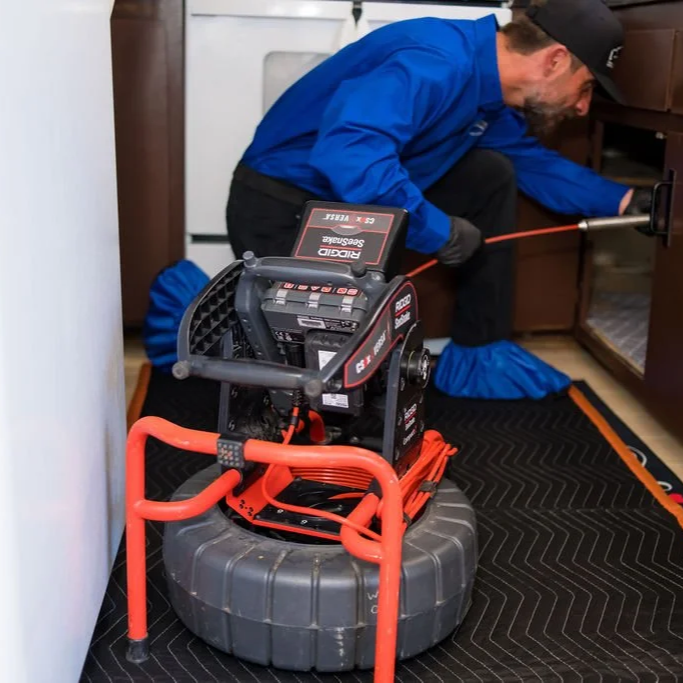
A root-filled pipe left untreated can crack, collapse, or completely block flow, leaving you with major repairs and a literal mess on your hands.
I can almost guarantee it—you’re walking down to your basement, and that gagging stench hits you before your eyes even adjust to the dim light. You shrug, think it’s a random clog or a neighbor’s problem, and open another window hoping it’ll blow away. Weeks later, it’s worse. That smell isn’t going anywhere, and chances are, it isn’t just soap scum or a forgotten mop bucket. In more homes than people realize, the culprit hiding behind that foul odor isn’t visible at all—it’s tree roots slowly invading your sewer line.
Homeowners often dismiss small smells until they turn into full-blown disasters: slow drains upstairs, gurgling toilets, or worse, raw sewage backing up into the basement floor. Ignoring the issue isn’t just unpleasant; it’s expensive. A root-filled pipe left untreated can crack, collapse, or completely block flow, leaving you with major repairs and a literal mess on your hands.
Why Roots Love Your Sewer Lines More Than Your Yard
Roots aren’t picky. They’re after moisture, warmth, and a steady source of nutrients—all things your sewer pipes provide in abundance. Clay, cast iron, and even older PVC pipes are tempting targets for persistent root systems, and if your home was built before modern plumbing standards, you could be sitting on a ticking time bomb. Roots are sneaky. They can wedge through tiny cracks or deteriorated pipe joints and grow inward, forming a thick mat that restricts flow. Once inside, a single root can expand for years, and by the time you notice the first gurgle in your sink, the roots have often taken over a good portion of the line.
Most homeowners think roots only enter when pipes are broken, but that’s not the full picture. Pipes don’t have to be shattered for roots to sneak in—small hairline fractures or corroded joints are enough. Moisture and nutrient-rich sludge from your sewer are irresistible, and roots grow toward it like a magnet. The more you delay addressing it, the thicker and more entrenched the roots become, turning a simple repair into a multi-thousand-dollar nightmare.
The Homeowner Mistake: Waiting for a Full Backup
The biggest error I see is homeowners ignoring minor signs. A slow-draining sink in the kitchen or a gurgling bathroom is almost always the first signal of root intrusion. People shrug it off, thinking the line needs a snake or a chemical cleaner, but those quick fixes don’t address the roots—they only mask the symptoms temporarily.
Chemical drain cleaners can make things worse. They irritate the roots, which can trigger deeper, more aggressive growth in the pipe. Meanwhile, the roots are slowly widening cracks and compromising joints without any visual cues. By the time you call a professional, the damage is compounded, making the job more complex and the repair costlier. Seasonal factors make it worse, too. Spring rains and thawing soil accelerate root growth and pipe erosion, so what seemed minor in winter can become urgent in a few months.
Understanding Root Prevention Treatments and How They Work
Root prevention treatments are the real weapon against this underground invasion. The most common method involves applying a foaming root-killer into your sewer line. This isn’t a generic chemical drain cleaner; it’s a targeted solution that penetrates root systems without harming your lawn or garden. The foam clings to the roots inside the pipe and kills them back to the mainline, preventing regrowth for months.
Homeowners often misunderstand these treatments. Some think they’re a permanent fix, but they’re more like maintenance. Roots are persistent, and pipes are under constant pressure from soil shifts, moisture, and everyday wear and tear. Regular treatments—usually every six to twelve months—are necessary to keep lines clear. Skipping a session isn’t just risky; it allows the cycle to start over, often unnoticed until slow drains or foul smells return.
Why DIY Doesn’t Cut It
I get it. It’s tempting to tackle a smelly basement on your own. YouTube tutorials, rented augers, and store-bought root killers seem easy and cost-effective. But when roots have already taken hold, DIY efforts rarely reach deep enough. Even if you snake out some surface roots, the main network remains untouched.
The real danger comes from false confidence. Homeowners think a chemical treatment or a single rodding session “fixed” the problem. In reality, partial removal can actually accelerate damage. Roots left behind continue to expand behind the blockage, increasing pressure on the pipe walls and risking cracks or full collapse. Plus, there’s a timing factor: professionals can schedule treatments seasonally to prevent new growth when soil moisture and temperature trigger root expansion. Doing it sporadically on your own misses that critical window.
Spotting the Early Signs Before They Get Out of Hand
You don’t have to wait for a full-blown backup to know your sewer lines are compromised. There are subtle clues most homeowners ignore. Slow drains, toilets that gurgle after a shower, water pooling around basement drains, or a sudden spike in sewer gas odor are all early warnings. Even grass growing unusually lush in a small area of your yard could indicate a sewer leak feeding roots from underground.
The key is pattern recognition. A single slow drain might be a clog, but multiple drains backing up or odd smells concentrated in one area almost always point to root intrusion. Waiting until the smell fills the basement guarantees bigger headaches, higher bills, and more invasive repairs. Catching it early gives you options like targeted root-killing treatments instead of pipe replacement.
Why Pipe Material Matters in Root Intrusion
Not all pipes are equal when it comes to root vulnerability. Older clay and cast iron pipes crack over time, creating ideal entry points. Even PVC, which is much more resistant, can fail if joints loosen or if roots exploit existing imperfections. Homeowners often assume newer materials make them immune, which is a dangerous misconception.
The consequences of ignoring material differences become clear during inspections. A cracked clay line might be full of roots inches past the cleanout, while a PVC line may only have minor invasion. The approach to treatment differs dramatically. A one-size-fits-all solution can waste money and leave your home at risk. Professionals can assess pipe type, age, and condition to recommend a treatment plan that actually works long-term.
Seasonal Factors You Can’t Ignore
Roots don’t grow uniformly year-round. In spring, soil moisture and temperature create ideal conditions for root expansion. Summer droughts may slow growth temporarily, but roots don’t die—they pause. Fall rains rehydrate soil, and winter freezes can shift ground, cracking older pipes. Homeowners who ignore timing often apply treatments too late, allowing roots to expand unchecked for months.
Strategic timing of root prevention treatments can prevent infestations before they get serious. Professional plumbers often schedule interventions around seasonal growth patterns, maximizing effectiveness and minimizing recurring visits. When treatments are applied at the wrong time, homeowners waste money and still end up with foul odors, slow drains, or even emergency backups.
Long-Term Consequences of Ignoring Root Intrusion
Many homeowners treat a smelly basement as a nuisance rather than a red flag. Left untreated, roots don’t just smell bad—they compromise the structural integrity of your sewer system. Pipe collapse can lead to raw sewage in your basement, costly excavation, and disrupted daily life. Beyond the immediate mess, repair timelines often stretch for weeks, affecting your ability to use bathrooms, laundry, and kitchens.
Even partial blockages create recurring headaches. Slow drains, repeated clogs, and constant odors increase stress and reduce your home’s livability. In some cases, insurance won’t cover damage from neglected maintenance, leaving you fully responsible. Taking action with root prevention treatments and timely inspections is far cheaper than emergency repairs and long-term property damage.
Why Regular Maintenance Beats Crisis Repairs
Homeowners often make the mistake of waiting for a full-blown emergency before calling a professional. Routine inspections and scheduled root prevention treatments are far less expensive and stressful. A yearly or semi-annual plan keeps sewer lines clear, prevents odors, and avoids costly excavation.
Regular maintenance also helps identify hidden issues unrelated to roots, like small cracks, offset joints, or early corrosion. Catching these problems before they become emergencies saves money, prevents disruption, and keeps your basement smelling fresh year-round. In my experience, homeowners who stay proactive rarely face the nightmare of a flooded basement with sewage bubbling up through the floor drain.
Partnering With Professionals Makes a Difference
You might think all plumbers are the same, but experience matters when it comes to root intrusion. A professional service like Done Right Drains and Plumbing knows how to inspect lines thoroughly, identify early signs, and apply the right root prevention treatments at the correct intervals. They also assess pipe material, age, and soil conditions to tailor a plan that actually works.
Working with professionals means no guessing, no repeated DIY attempts, and no half-measures. It’s not just about killing roots once; it’s about preventing them from coming back, protecting your home from structural damage, and keeping your basement—and your family—from dealing with raw sewage smells or backups.
Done Right Drains & Plumbing provides end-to-end sewer services designed to keep your system running smoothly, including sewer line repair, sewer line replacement, and sewer line cleaning. Our knowledgeable plumbers service residential sewer systems with a focus on durability, proper flow, and long-term performance. Whether you need prompt sewer repair or a complete line replacement, we deliver reliable service and no-surprise pricing. Contact us today and get your sewer system back on track without the hassle.
