
Cracks Behind the Wall? Don’t Ignore Your Water Pipes in Chula Vista, CA
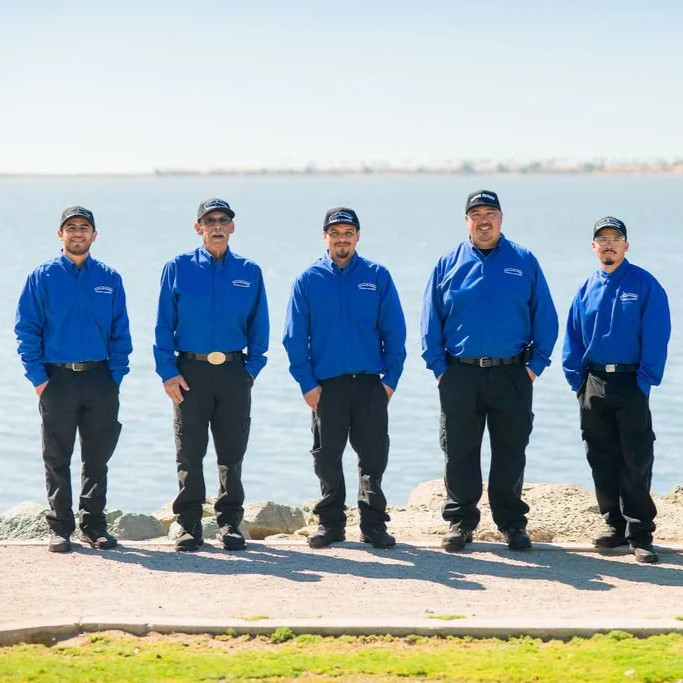
The longer a line is ignored, the bigger the mess—and the bigger the repair cost. Your walls, ceilings, and floors are only as strong as the pipes behind them.
You thought that little crack behind the kitchen wall was just old paint settling, right? Guess what—if water stains, damp spots, or that faint musty smell are creeping in, your pipes are silently betraying you. One slow leak can ruin drywall, warp floors, and balloon your water bill before you even realize what’s happening. Most homeowners only notice after the damage is already done.
A dripping pipe in a hidden corner might not seem urgent, but in Chula Vista’s climate, minor leaks compound fast. Warm, humid air accelerates corrosion, mineral buildup, and wood rot. The longer a line is ignored, the bigger the mess—and the bigger the repair cost. Your walls, ceilings, and floors are only as strong as the pipes behind them.
Why Preventative Water Line Maintenance Actually Saves You Money
Preventative water line maintenance isn’t a fancy add-on; it’s the reason your home can stay dry and your bills steady. Many homeowners assume pipes are “set it and forget it” fixtures. After all, copper and PVC don’t look like they wear out, right? Wrong. Aging pipes, shifting soil, and seasonal temperature swings slowly compromise integrity. Without routine inspections, a hairline crack can turn into a flood behind the walls, undermining your drywall and flooring.
At Done Right Drains and Plumbing, we’ve seen a single overlooked junction leak turn into full-scale ceiling damage in less than a year. Preventative maintenance identifies weak points, minor corrosion, and pressure inconsistencies before they escalate. For a Chula Vista home, skipping this step is like letting a termite infestation grow unchecked—except water destruction spreads faster and is less forgiving. Homeowners who schedule regular maintenance save hundreds, sometimes thousands, by stopping problems early.
Hidden Damage: The Pipes You Don’t See Are the Ones That Hurt Most
Most people only notice plumbing problems when water shows up somewhere it shouldn’t: a puddle under the sink, a soft spot on the floor, or mildew in the bathroom. The reality is that the real danger is always hidden. Pipes run behind walls, under floors, and in crawl spaces where damage quietly accumulates. Even a small leak can saturate framing studs and insulation, creating mold pockets that make your home smell musty and compromise indoor air quality.
Homeowners often underestimate how quickly hidden water damage spreads. Chula Vista’s occasional heavy rains and seasonal temperature swings push underground and behind-wall pipes to their limits. Concrete slabs expand and contract, old joints loosen, and corrosion attacks metal lines. What seems like a harmless wall crack can mask a slow-moving disaster, quietly weakening your home’s structure. Detecting issues early through preventative water line maintenance prevents this silent erosion.
Common Misconceptions That Put Your Home at Risk
Many homeowners fall into the trap of thinking that only old pipes fail or that plastic lines never need attention. Modern homes with PVC or PEX piping can still experience leaks, clogs, and pressure issues over time. A frequent assumption is that a pipe that “looks fine” on the surface is fine inside, too. Unfortunately, mineral buildup, hidden pinhole leaks, and joint stress don’t show until it’s too late.
Another mistake is delaying maintenance because water bills seem normal. A line can leak slowly enough that it barely changes your monthly cost, but the damage behind walls is accumulating. Homeowners sometimes replace only the visible fixtures or patch drywall, hoping the problem won’t come back.
Seasonal Challenges in Chula Vista That Affect Pipes
Even in sunny Southern California, local weather plays a role in pipe health. Chula Vista’s temperature swings between hot, dry summers and damp winters put stress on materials. Expansion and contraction loosen joints, while ground shifts create tension on buried lines. Homes with older slabs or perimeter foundations experience subtle settling that pulls on lines behind walls, often triggering hairline cracks and slow leaks.
Homeowners often notice problems only after seasonal events. Heavy rain highlights a sagging yard, or a winter chill makes a basement faucet drip. By then, water has already soaked into the insulation, compromising the wood framing.
How Aging Materials Hide Risk Until It’s Too Late
Even pipes that looked solid five or ten years ago don’t stay problem-free forever. Copper corrodes internally, PVC warps, and older steel lines rust from the inside out. Homeowners who assume “newer is better” often skip inspections, unaware that material failures can be sneaky. Corrosion or deposits inside the pipe gradually restrict water flow, so a leak can appear suddenly, leaving significant damage to drywall or flooring.
We often see homes where a single aging elbow joint develops a pinhole leak. No noise, no visible drip—but months of undetected moisture have warped framing and created mold hotspots. Many people patch walls or repaint ceilings, thinking that solves the problem, only to face a recurring leak that’s worse than the first. Preventative inspections catch these silent failures, keeping your system reliable and protecting both your home and your sanity.
Signs You Can’t Ignore, Even If They Seem Minor
Homeowners notice water issues in many ways. Maybe it’s a musty smell in a closet, a faint stain on the ceiling, or water pooling along the baseboard after a shower. Even subtle pressure drops at faucets or occasional gurgling noises can indicate trouble. Ignoring these warning signs usually leads to frustration, emergency calls, and unexpectedly high repair bills.
Small issues often signal that preventative maintenance is overdue. A slow drip behind a wall may not appear on your water bill right away, but it gradually weakens structural materials and encourages mold growth.
Comparing DIY Shortcuts to Professional Maintenance
Some homeowners try to patch pipes themselves or rely on temporary fixes like epoxy wraps and compression fittings. While these might stop a drip for a short time, they rarely address underlying weaknesses, like corroded pipe sections, improper joint alignment, or compromised pressure flow. We’ve seen DIY fixes fail within months, often when the pipe is under stress from temperature swings or minor soil shifting.
Professional preventative water line maintenance evaluates the whole system, not just the visible symptom. A trained plumber traces each pipe’s route, checks for hidden leaks, tests pressure integrity, and replaces compromised sections before failure occurs.
The Cost of Waiting: What Happens When Pipes Fail
Ignoring preventative maintenance is tempting because it feels expensive upfront, but the cost of a failure is far higher. A burst pipe behind a wall doesn’t just waste water; it ruins drywall, insulation, and flooring. Homeowners often have to replace cabinets, carpets, and ceilings while paying emergency plumbing rates that double normal service costs. Mold remediation can become necessary, and the stress of living with water damage is hard to overstate.
In Chula Vista, homes built on shifting soil or with older plumbing materials are especially vulnerable. Delays allow small leaks to escalate, sometimes resulting in weeks of repairs, insurance claims, and temporary displacement.
How Often Should Homeowners Schedule Preventative Inspections?
A lot depends on your home’s age, materials, and leak history. Older properties, homes with metal piping, or houses built on shifting soil often benefit from annual inspections. Newer homes with PEX or PVC lines can last every two years, but it’s still wise to check for consistent pressure and any slow leaks.
Homeowners often underestimate how fast water can hide behind walls and floors. Even a small, slow leak can ruin wood framing over a couple of seasons. Preventative inspections not only catch leaks but also help identify pressure issues, corrosion, and pipe alignment problems before they compromise your home. Scheduling proactive maintenance is a simple way to protect your largest investment.
Long-Term Benefits of Staying Ahead
Preventative water line maintenance isn’t just about avoiding disasters; it keeps your home functioning smoothly. Consistent inspections maintain steady water pressure, reduce noisy pipes, and extend the life of appliances connected to your plumbing system. Homeowners experience fewer surprises with water bills and avoid the stress of emergency repairs that disrupt daily life.
Beyond tangible benefits, there’s peace of mind. Knowing your pipes are professionally evaluated and maintained removes that constant worry when you see water stains or hear odd gurgling noises. A proactive approach keeps your home safe, comfortable, and dry—avoiding the emotional and financial drain of untreated leaks.
Common Homeowner Mistakes That Cost Big
One of the biggest errors we see in Chula Vista homes is ignoring small leaks or assuming that water damage is only a seasonal problem. People patch walls or paint over stains, thinking the problem has gone away. Another mistake is postponing inspections because nothing seems “broken” yet.
The reality is that hidden leaks rarely fix themselves. Over time, minor water infiltration can warp framing, encourage mold growth, and damage flooring. Waiting until you see a puddle or a ceiling collapse is like waiting for a warning light on a car that’s already had engine failure.
What Professional Inspections Look Like in Chula Vista Homes
A proper inspection starts with a visual and tactile survey. Professionals check accessible pipes for corrosion, leaks, and joint weaknesses. Pressure tests reveal hidden leaks that haven’t yet manifested visibly. In older homes, camera inspections may be used to see inside walls and slabs, identifying pinhole leaks or buildup that could compromise water flow.
Homeowners often assume that a simple faucet check is sufficient. It’s not. A trained plumber understands how soil shifting, temperature changes, and local building materials affect pipe longevity. Preventative water line maintenance in Chula Vista is designed to spot problems that most homeowners wouldn’t notice until significant damage occurs, making professional inspections invaluable.
Protecting Your Home and Family From Hidden Water Damage
Water damage isn’t just structural—it’s emotional and health-related. Mold growth from unnoticed leaks can trigger allergies, respiratory issues, and unpleasant odors throughout the home. Wooden flooring warps, drywall softens, and cabinets weaken, turning daily routines into constant frustration. Homeowners often underestimate how these “minor” leaks affect comfort, health, and property value.
By committing to preventative water line maintenance, Chula Vista homeowners safeguard not only their walls and floors but also the well-being of their family.
Done Right Drains & Plumbing delivers comprehensive pipe repair and replacement services, including burst pipe repair, leaking pipe repair, pipe replacement, whole home repiping, and slab leak detection & repair. Our skilled team handles residential plumbing systems with precision and a strong focus on long-term performance. Whether you’re facing an unexpected pipe failure or planning a major upgrade, we offer dependable service and clear communication. Schedule your service today and protect your home from further damage.
