
Bathroom Backups in Chula Vista, CA, Homes Ruin Mornings
They happen when guests are over, when work is calling, or when you are already stressed. Understanding why they happen and how toilet drain cleaning should actually be handled can save a lot of frustration.
If you are standing in your bathroom in Chula Vista, CA, staring at a toilet that will not flush while the shower is running and the kids are yelling they are late, it feels personal. Nothing wrecks a morning faster than watching the water rise, smelling something foul, and realizing your plans just got hijacked by a clogged toilet.
Living anywhere in the South Bay or across the wider San Diego area, homeowners deal with a mix of older plumbing, hard water, and busy households that put serious strain on bathroom drains. Over the years at Done Right Drains and Plumbing, these situations show up again and again in real homes, usually at the worst possible moment. Toilet clogs rarely happen when life is calm. They happen when guests are over, when work is calling, or when you are already stressed. Understanding why they happen and how toilet drain cleaning should actually be handled can save a lot of frustration.
When “It Flushed Yesterday” Turns Into Today’s Overflow
One of the most common things homeowners say is, “It was working fine yesterday.” That assumption gets people into trouble. Toilets rarely go from perfect to disaster overnight. Most clogs build slowly. A little extra paper here. A flush that seems weaker there. Water that swirls longer than it used to. These are small warning signs that something is narrowing inside the drain. Over time, waste and paper start sticking to rough pipe surfaces, mineral buildup from hard water grabs onto debris, and before you know it, a normal flush cannot push things through anymore. Then one morning, it backs up completely.
Many homeowners ignore these early signals because nothing feels urgent yet. The toilet still technically works, so it gets mentally filed under “deal with later.” Later usually means after an overflow, a soaked bath mat, and panic about whether sewage touched the baseboards. Proper toilet drain cleaning at the right time clears buildup before it becomes a full blockage. Skipping that step often leads to repeated plunging, cracked porcelain from aggressive use, or water leaking through the floor into the ceiling below. What feels like a small inconvenience quietly turns into property damage and higher repair costs.
Another problem is that modern low-flow toilets sometimes mask developing issues. They use less water, which is great for bills, but they also have less force to push material through partially restricted pipes. Homeowners think the toilet is “just weak” and keep using it anyway. Over months, the drain keeps narrowing. Eventually, even a light flush cannot make it through. At that point, plungers stop helping, and chemical cleaners often make things worse. What started as mild sluggishness becomes a full-blown emergency.
Why “Flushable” Does Not Mean Pipe-Friendly
Search “why does my toilet keep clogging,” and you will see wipes mentioned everywhere. That is not by accident. One of the biggest misconceptions in plumbing is that anything labeled “flushable” is safe for drains. In real-world pipes, especially older ones, those wipes behave more like fabric than paper. They do not dissolve. They twist together. They snag on tiny imperfections inside the line. Once that happens, they act like a net that catches everything else behind them.
Homeowners often start using wipes during potty training, caring for elderly relatives, or after remodeling bathrooms. At first, nothing seems wrong. Weeks go by. Then plunging becomes more frequent. Then flushing requires two tries. Then one bad flush sends water climbing toward the rim. By the time someone calls for toilet drain cleaning, there is often a tangled mass deep in the pipe that cannot be removed with basic tools. It takes professional equipment to break it apart and clear it safely.
Paper towels, facial tissues, feminine products, and even some thicker “luxury” toilet papers cause similar issues. They do not break down fast enough in residential systems. Many homeowners assume municipal sewers will handle it. In reality, most clogs start inside the private line before waste ever reaches the street. Once that pipe is blocked, everything backs up into the home first. That is why plumbers see so many clogs that originate just a few feet past the toilet flange.
Over time, repeated flushing of non-dissolving products also roughens pipe interiors. As debris scrapes along, it leaves residue and small ridges. Those ridges trap more material later. Even after one major blockage is cleared, the pipe may now clog more easily than before. That is why proper cleaning and inspection matter, not just breaking through the immediate plug.
The Plunger Myth And Other DIY Shortcuts That Backfire
Most homes have a plunger under the sink. That is not a bad thing. Used correctly, plungers can clear simple surface-level clogs. The problem is that many homeowners rely on them for everything. They plunge harder. They plunge longer. They rock the toilet. Some even pour boiling water or harsh chemicals into the bowl to “help.” All of that can damage seals, crack porcelain, or force debris deeper into the line.
A common mistake is thinking resistance means progress. When plunging feels difficult, many people assume the clog is breaking up. Often, it is just compressing and relocating. Waste gets shoved farther down, where it becomes harder to reach. Chemical drain cleaners add another layer of risk. They rarely dissolve solid blockages completely. Instead, they sit inside the pipe, heat up, and weaken older materials. Over time, that leads to leaks inside walls or under slabs.
Homeowners also underestimate the pressure that plunging creates. Wax rings at the base of toilets are designed to seal, not to withstand repeated violent motion. When that seal fails, wastewater can leak invisibly under the flooring. Months later, someone notices soft tiles, warped laminate, or unexplained odors. The original clog has long been forgotten, but the damage continues.
Professional toilet drain cleaning works differently. Instead of brute force, technicians use controlled mechanical and water-based methods to clear buildup while protecting the pipe. They remove the obstruction rather than relocating it. They also check for structural issues that caused the blockage in the first place. Skipping that step and relying on shortcuts often leads to recurring clogs every few months, slowly eroding patience and trust in the plumbing system.
Old Pipes, Hard Water, And The “Why Is It Always My Bathroom” Problem
Many homes in the San Diego region were built decades ago using materials that behave differently from modern PVC. Cast iron, clay, and early plastic pipes develop rough interiors over time. Add hard water to the mix, and the mineral scale starts coating the inside of the line. That scale reduces diameter and creates sticky surfaces where waste easily attaches. Even careful households can experience frequent clogs under these conditions.
Homeowners often blame themselves. They think they are using too much paper or flushing incorrectly. In reality, the system itself is working against them. Every flush sends material past surfaces that, under a microscope, resemble sandpaper. Over the years, the buildup compounds. Seasonal changes can worsen the issue. During dry months, reduced groundwater pressure can affect sewer flow. During rainy seasons, saturated soil can shift older pipes slightly, creating low spots where waste collects.
Another overlooked factor is remodeling. Adding new bathrooms, changing fixtures, or rerouting drains changes how waste moves through the system. Sometimes, installers take shortcuts with slope or venting. Everything works fine initially. Then, as usage increases, those small design flaws become recurring clogs in the same toilet. Homeowners start thinking, “Why does it always happen in this bathroom?” The answer is usually hidden in the pipe layout.
Routine toilet drain cleaning in homes with aging infrastructure is not about upselling services. It is about managing reality. Without periodic maintenance, the buildup continues to accelerate. What starts as yearly clogging can become monthly frustration. Eventually, replacement becomes the only option. Regular cleaning slows that process and helps homeowners plan instead of react.
What Most Homeowners Get Wrong About “Just One More Flush”
A surprisingly common behavior is trying “just one more flush” when a toilet looks questionable. Water rises. Panic sets in. Someone flushes again, hoping it will go down. That second flush often turns a manageable clog into an overflow. At that point, towels come out, cabinets get wet, and embarrassment follows. It feels silly afterward, but in the moment, people act on instinct.
Many homeowners also believe clogs only matter when the toilet stops completely. Partial blockages feel tolerable. Slow draining becomes normal. Gurgling sounds get ignored. Odors get masked with an air freshener. All of these are signals that airflow and drainage are restricted. Ignoring them increases stress on seals, joints, and vent systems. Over time, backups can spread to showers and sinks, turning one toilet problem into a whole-bathroom shutdown.
Another misunderstanding is the idea that occasional professional cleaning indicates something is wrong with the home. In reality, proactive toilet drain cleaning is similar to servicing HVAC systems or flushing water heaters. It is routine care. Homes with families, guests, or rental activity put heavy loads on drains. Pretending those systems are “set and forget” leads to repeated emergencies.
When homeowners finally address these patterns, daily life gets easier. No more wondering if guests will clog the toilet. No more keeping plungers in every bathroom. No more anxiety during parties. Small maintenance decisions quietly restore comfort and confidence.
FAQs
How often should toilet drain cleaning be done in busy households?
In homes with multiple occupants, frequent guests, or children, professional toilet drain cleaning every one to two years is usually practical. This interval helps remove the gradual buildup before it restricts flow. Homes with older pipes or hard water may benefit from more frequent service, especially if slow-draining or minor clogs are already occurring.
Why does my toilet clog even when I only use toilet paper?
Not all toilet paper dissolves equally, and older or scaled pipes make even standard paper more likely to stick. Over time, residue accumulates and narrows the passage. Proper cleaning removes that hidden buildup so normal paper can pass through without creating repeated blockages.
Are drain chemicals safe for clearing toilet clogs?
Most chemical cleaners are not ideal for toilets or long-term pipe health. They rarely remove solid blockages completely and can weaken older materials. Repeated use increases the risk of leaks and damage. Mechanical and water-based cleaning methods are safer and more effective.
What are the early warning signs that a clog is developing?
Common signs include slow flushing, swirling water, occasional gurgling, mild sewer odors, and the need to plunge more often. These symptoms usually appear weeks or months before a full blockage. Addressing them early prevents overflows and property damage.
Can recurring clogs in Chula Vista, CA, homes mean a bigger plumbing
problem?
Yes. Frequent clogs in the same toilet often indicate pipe scaling, improper slope, venting issues, or partial collapses. Routine cleaning helps, but inspections may be needed if problems persist. Identifying structural causes early avoids repeated emergencies and larger repairs later.
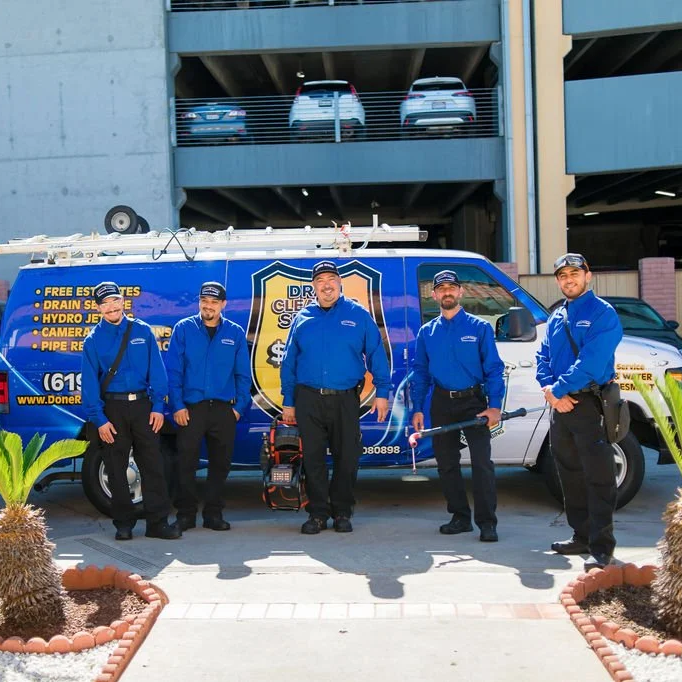
Done Right Drains & Plumbing provides a complete, one-stop solution for professional plumbing services in Chula Vista, CA, including drain cleaning & clog removal, sewer line services, pipe repair, replacement, & repiping, and leak detection & repair. Our expert plumbers service residential plumbing systems with a focus on efficiency, reliability, and long-term performance. Whether you need urgent pipe repair or a full system repipe, we provide fast response times and honest, upfront estimates. Schedule your plumbing service today and get dependable results that last.
