
Why Your Sewer Line Keeps Smelling Foul
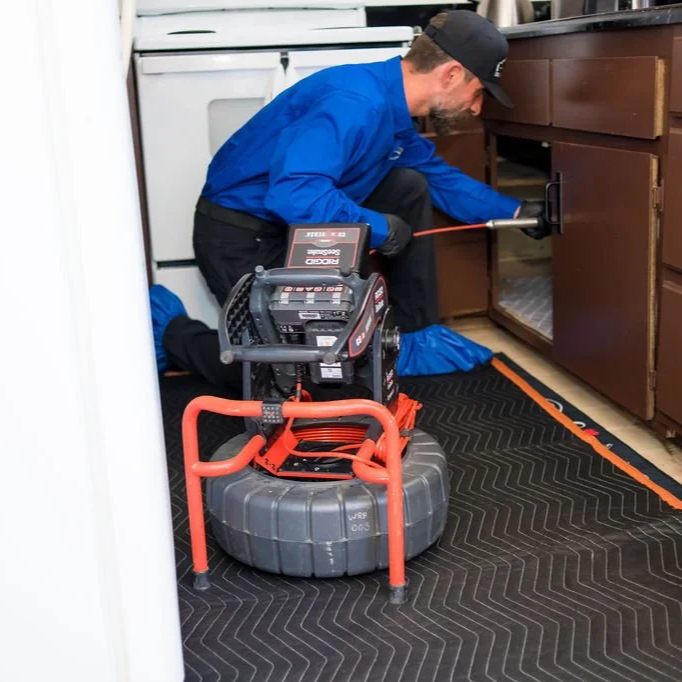
Let’s explore why proper sewer cleaning matters, the risks of ignoring it, and how professional services protect your plumbing system, property, and sanity.
I’m sick of noticing a sour smell coming from the basement or laundry room the moment I step inside. Every time water drains from the kitchen sink or washing machine, I hold my breath, hoping the line doesn’t clog again. Most homeowners think a chemical cleaner or a quick DIY snake will fix it, but those shortcuts rarely solve the real problem. Instead, they lead to recurring backups, rising water bills, and damage to pipes you can’t even see until it’s too late.
Sewer drain cleaning may not be glamorous, but it’s one of the few services that keep a home functioning smoothly without panic calls at midnight. Let’s explore why proper sewer cleaning matters, the risks of ignoring it, and how professional services protect your plumbing system, property, and sanity.
Why Your Sewer Line Fails More Often Than You Think
Many homeowners assume sewer lines are indestructible once installed. In reality, they face constant strain from grease, food waste, soap residue, and even small tree roots that find their way into tiny cracks. Over time, this debris clogs pipes, slows drainage, and puts stress on pipe joints. That pressure often shows up as slow-draining kitchen sinks, gurgling toilets, or laundry-area backups. Ignoring these warning signs can lead to full-line blockages, pipe leaks, and costly excavation.
Older homes are particularly vulnerable. Pipes can settle unevenly, joints can misalign, and bends in the line create traps where solids accumulate. Homeowners often think a slow drain is “just aging pipes,” but the truth is it’s a warning sign. The debris trapped in these low spots provides food for bacteria, producing foul odors that escape through cleanouts or vents. Sewer drain cleaning tackles these hidden problem areas before they become emergencies, keeping water flowing from all household drains to the city connection.
Pipe material matters too. Cast iron, PVC, and clay each degrade differently over time. Homeowners often forget that even minor corrosion, joint separation, or cracks can trap debris and encourage root intrusion. A line that once handled heavy kitchen waste can slow drastically if roots or sediment narrow its diameter. Understanding how blockages develop across different pipe types is key to understanding why professional cleaning prevents recurring issues.
Why DIY Drain Fixes Often Make Things Worse
Pouring chemicals down your kitchen or laundry drain may seem like an easy fix, but it’s rarely a long-term solution. Harsh chemical cleaners might temporarily dissolve minor clogs, but they also weaken pipe walls, especially in older PVC or cast iron lines. That damage can lead to leaks, water intrusion, and mold growth—all expensive problems that homeowners rarely anticipate.
Rented drain snakes are similarly risky. Many homeowners push too hard or fail to navigate bends properly, scratching pipe walls or lodging debris further down. I’ve seen multiple cases where a homeowner thought they had cleared the clog, only for the main sewer line to back up a few days later, flooding basements, laundry rooms, or yards. Professional sewer drain cleaning uses the right tools for the pipe type, angles, and blockage material, removing debris safely and preventing regrowth.
Even “simple” clogs can be misleading. Grease, soap, and sediment can accumulate on the inside of pipes, forming hardened layers that gradually restrict flow. DIY methods often fail to remove these layers completely, leading to a faster return of the clog. Professionals can clean the line thoroughly, checking for early damage and minimizing the risk of future backups.
How Sewer Drain Cleaning Protects Your Entire Plumbing System
Think of sewer drain cleaning as preventive maintenance for your home’s plumbing system. Cleaning removes grease, food waste, hair, and other buildup before it becomes a full blockage. When the line is clear, water flows smoothly, reducing pressure on joints and connections and preventing leaks or backups in kitchens, laundry areas, or basements.
A clean sewer line also protects your home from secondary problems. Standing wastewater or organic buildup can foster bacteria that produce foul odors and contaminate areas near cleanouts. Professional cleaning addresses these issues along the entire line, from household fixtures to the city connection. It prevents sewage from backing up indoors, reduces health risks, and keeps your home smelling fresh.
Proper cleaning also allows plumbers to detect small problems before they escalate. Tiny root intrusions, hair buildup, and joint separation may not trigger immediate backups but can cause major issues if left untreated. Identifying and removing these obstructions early saves money and prevents structural damage.
Your Yard Can Reveal Hidden Sewer Problems
Homeowners often overlook their yard when checking for plumbing issues. Soggy patches, unexpected water pooling, or strong odors near cleanouts can indicate problems in underground sewer lines. Tree roots frequently exploit tiny cracks in pipes, widening them over time. Partially blocked lines restrict flow, causing water to back up or saturate the soil above.
Subtle household indicators also matter. Slow drains in multiple fixtures, gurgling when water runs, or backups in different areas suggest a deeper sewer issue. Professional sewer drain cleaning clears debris and roots while inspecting the line for hidden damage. Ignoring yard signs can lead to major excavations, pipe replacements, and landscaping repairs that could have been avoided with routine maintenance.
How Often Home Sewer Lines Need Cleaning
Many homeowners ask, “How often should sewer lines be cleaned?” While frequency depends on pipe type, home age, and usage, most households benefit from professional cleaning every 2 to 3 years. Homes with multiple bathrooms or older pipes may require more frequent service to prevent clogs.
Waiting for a backup to occur is far riskier than scheduling preventive cleaning. Minor buildup gradually hardens, attracting more debris, and can affect multiple drains simultaneously. Sewer drain cleaning removes buildup before it becomes a problem, keeping water flowing from kitchen sinks, laundry tubs, and toilets to the main connection. Regular maintenance avoids emergency calls and protects the integrity of your home’s plumbing.
The Cost Of Ignoring Sewer Maintenance
Neglecting sewer drain cleaning hits homeowners in several ways. Emergency plumbing services are expensive, but slow drains also waste water, raising utility bills. Repeated backups can damage floors, walls, and landscaping, resulting in thousands of dollars in repair costs. Daily frustration—from foul odors, gurgling sounds, or slow drainage—adds stress to homeowners’ routines.
Property value is another consideration. Homes with recurring sewer problems often fail inspections or scare off buyers. Even subtle signs, like faint odors near cleanouts or wet spots in the yard, may indicate problems a buyer will notice. Regular sewer drain cleaning prevents small issues from escalating, protecting your home, investment, and peace of mind.
Choosing The Right Sewer Cleaning Method
Not all sewer drain cleaning methods are equal. Hydro-jetting, mechanical augers, and video inspection each serve specific purposes depending on pipe type, clog severity, and age. Professional plumbers assess the entire system before choosing the method, addressing weak spots, debris, and root intrusion.
Many homeowners assume the cheapest or quickest method is the best. I’ve seen rented jetters partially clear clogs while scratching pipes or pushing roots further into the line. Proper cleaning combines technique, equipment, and experience to safely remove blockages, preserve pipe integrity, and prevent future growth. A thorough service addresses the entire sewer system, not just the visible portion of the pipes.
Early Signs Your Sewer Line Needs Immediate Attention
Watch for slow drainage in multiple fixtures, frequent backups, foul odors near cleanouts, and unexplained yard puddles. Partial blockages often affect one fixture first, then spread, while recurring clogs suggest a deeper problem.
Subtle signs also matter. Tree root intrusion, water pooling in the yard, or faint sewage odors around cleanouts require inspection. Video inspection and professional cleaning reveal hidden buildup, roots, or pipe cracks before emergency repairs become necessary. Acting early avoids flooding, excavation, and costly structural damage to your home.
Maintaining Your Sewer Lines After Cleaning
After professional cleaning, homeowners can maintain their sewer lines by avoiding grease, coffee grounds, and fibrous materials down drains. Hair and food strainers help prevent clogs in kitchen and laundry drains. Enzyme-based treatments reduce organic buildup without damaging pipes.
Routine inspections are still essential. Homes shift over time, tree roots grow, and pipes age, creating potential blockages or leaks. Scheduling professional sewer drain cleaning every few years keeps the system flowing freely, prevents backups, and preserves plumbing longevity, avoiding emergency repairs that disrupt daily life. Homeowners should also monitor usage habits. Running hot water after grease-heavy activities, limiting flushable wipes, and not pouring thick solids down the drain all extend pipe life. Combining good habits with periodic professional cleaning protects both the home and investment over decades.
Avoiding Common Homeowner Mistakes
Many homeowners rely on short-term solutions like chemical cleaners, believing they fix the problem permanently. Others ignore subtle warning signs, hoping the issue resolves itself. Both approaches risk escalating damage. Assuming that all clogs happen in a single sink or fixture is another mistake.
Sewer lines connect multiple drains, and blockages often accumulate in hidden bends or joints. Homeowners may only notice a symptom in the kitchen while the main line is slowly filling, giving a false sense of security. Professional cleaning addresses the full line and identifies weak spots that could cause future backups.
Why Regular Sewer Maintenance Is Worth It
Preventive sewer drain cleaning saves homeowners money, frustration, and stress. It avoids emergency plumbing calls, limits property damage, and reduces the risk of bacterial contamination. A well-maintained sewer line protects your home from leaks, backups, and yard damage, maintaining water flow and functionality.
Investing in regular cleaning also preserves the home’s value. Buyers notice odors, water pooling, and slow drainage, all of which indicate plumbing problems. Keeping your sewer line clear prevents these signs from appearing and demonstrates a responsibly maintained home.
FAQs
How can I tell if my sewer line needs cleaning?
Signs include slow drains in multiple fixtures, foul odors near cleanouts, frequent backups, and unexpected water pooling in yards. Video inspections by professionals confirm blockages or pipe damage not visible above ground.
Can sewer drain cleaning remove tree roots?
Yes. Professionals use hydro-jetting or mechanical augers to remove roots from pipes without damaging plumbing, preventing blockages, and protecting your home from structural damage.
How often should sewer drain cleaning be performed?
Most homes benefit from professional cleaning every two to three years, though high-use households or older lines may require more frequent maintenance.
What happens if sewer drain cleaning is ignored?
Neglecting cleaning leads to backups, water damage, foul odors, mold, higher water bills, and costly repairs to pipes, flooring, or landscaping.
Is DIY sewer cleaning safe for my home?
DIY methods may temporarily clear minor clogs but can scratch pipes, push debris further, or degrade materials. Professional cleaning is safer and more effective for long-term results.
How can I prevent sewer clogs between professional cleanings?
Avoid pouring grease or thick solids down drains; use hair and food strainers; limit flushable wipes; and consider enzyme-based treatments to reduce organic buildup without damaging pipes.
Done Right Drains & Plumbing provides end-to-end sewer services designed to keep your system running smoothly, including sewer line repair, sewer line replacement, and sewer line cleaning. Our knowledgeable plumbers service residential sewer systems with a focus on durability, proper flow, and long-term performance. Whether you need prompt sewer repair or a complete line replacement, we deliver reliable service and no-surprise pricing. Contact us today and get your sewer system back on track without the hassle.
