
Slow Drains and Gurgling Toilets Across Chula Vista, CA, and San Diego?
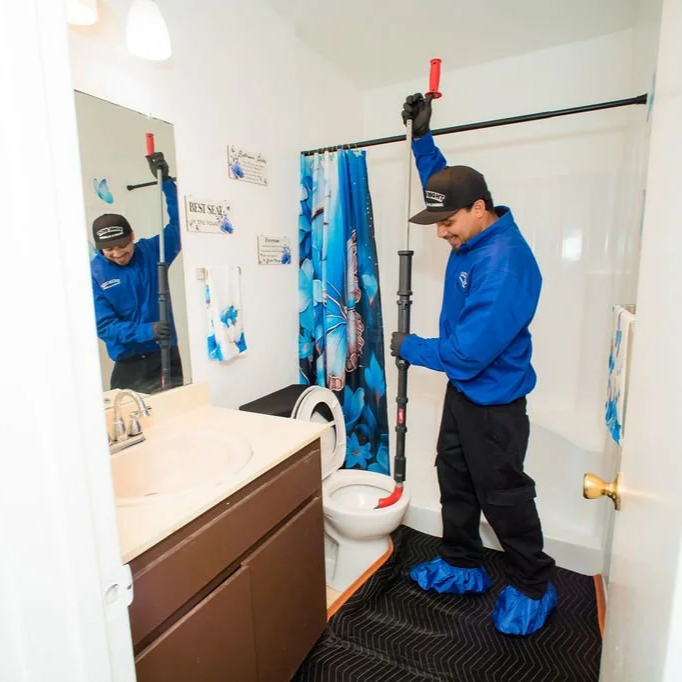
The gurgling you hear in the toilet isn’t random; it’s your plumbing system screaming for help. Left unchecked, small annoyances spiral into repeated backups and, eventually, the need for serious sewer line repair.
I’ve walked into enough bathrooms to know the moment a homeowner notices something isn’t right. You’re standing there, water swirling sluggishly down the kitchen sink while the toilet gurgles like it’s about to blow, and your first thought is, “Is this normal, or am I about to have a disaster on my hands?” That slow drain might seem minor at first, but over a few weeks, it can turn into stubborn backups, rising water, and even a sewage smell creeping into your laundry room. Ignoring it isn’t saving you time—it’s making the eventual repair bigger, messier, and far more expensive.
Many homeowners think a plunger or chemical drain cleaner is a permanent fix, but it rarely is. Those quick “solutions” can give temporary relief, but they don’t address the real problem lurking in your sewer line. A clogged line isn’t just a nuisance—it’s a risk to your floors, your walls, and your peace of mind. The gurgling you hear in the toilet isn’t random; it’s your plumbing system screaming for help. Left unchecked, small annoyances spiral into repeated backups and, eventually, the need for serious sewer line repair.
Why Your Sewer Line Might Be Struggling
Most homeowners think slow drains and gurgling toilets are caused by “just hair” or “something flushed down the toilet,” but in reality, it’s usually deeper than that. Sewer lines are buried underground, and over time, they can shift, crack, or become clogged with tree roots. In older homes around Chula Vista and San Diego, clay or cast-iron pipes are common, and these materials crack and corrode more readily than modern PVC pipes. A small root intrusion or pinhole crack may not trigger immediate flooding, but it disrupts water flow, slowing your drains and causing your toilets to gurgle.
Another overlooked factor is improper grading or pitch in the sewer line. Water and waste need to flow downhill at just the right angle. Even a minor slope issue can create standing water, sediment build-up, and backups that mimic surface clogs. Homeowners often try to “fix” these symptoms with over-the-counter drain cleaners or plungers, but that only masks the problem. By the time a professional checks the system, the underlying line may be severely compromised, requiring a more costly repair.
The Real Cost of Ignoring Slow Drains
Watching water pool in your sink or bubble back into the toilet might not feel urgent today, but each flush adds stress to your entire system. Slow drains are more than a minor annoyance—they can erode pipe walls, corrode metal joints, and eventually cause a full blockage or collapse. When that happens, you’re not just calling a plumber for a few hours of work—you’re facing excavation, line replacement, and potentially repairing water damage inside your home.
There’s also the health factor. Sewer backups expose your household to harmful bacteria, foul odors, and mold growth. Even if you think the gurgle is harmless, it’s a warning of potential contamination. Homeowners who ignore these early signs often end up paying far more—not just in plumbing bills but in remediation for water damage, mildew, and ruined floors or walls.
Why DIY Solutions Often Fail
It’s tempting to reach for a chemical drain cleaner or rent a snake from the hardware store. For minor sink clogs, these methods can work temporarily, but when the root problem is a damaged sewer line, DIY solutions are like putting a Band-Aid on a broken leg. Chemical cleaners can weaken older pipes over time, snakes often miss root intrusions, and pressure-assisted “pulsing” gadgets may move debris a few inches without fully clearing the line.
I’ve seen homeowners waste weeks trying these shortcuts, only to find the line completely blocked and the damage worse than if they’d called for a professional inspection in the first place. Sewer line repair is specialized work. Professionals use cameras to inspect the entire line, locate cracks or intrusions, and recommend solutions that stop the problem—not just push it down the line.
How Tree Roots Hijack Your Sewer Lines
One of the sneakiest culprits for slow drains and gurgling toilets is tree roots. Roots are naturally drawn to the moisture and nutrients in sewer lines, and a tiny fissure or joint gap is an open invitation. Once roots penetrate the pipe, they expand, creating blockages that disrupt flow. At first, you might notice only slow-draining water in a single fixture. A week later, the toilet bubbles when you run the dishwasher. Within a month, the line may have partially collapsed.
Many homeowners assume root issues are seasonal or that trenchless repair is unnecessary, but that’s a mistake. Roots don’t wait for convenience—they grow steadily and can crack pipes, causing sudden backups. Addressing root intrusions early through professional inspection and targeted repair saves both money and the stress of unexpected flooding in the kitchen or bathroom.
Old Pipe Materials and Their Hidden Hazards
Chula Vista and San Diego have many homes with older plumbing materials that modern homeowners aren’t familiar with. Clay, cast iron, and even early PVC pipes degrade over decades. Clay pipes are prone to cracking, allowing soil and roots to enter. Cast iron corrodes from the inside, slowly narrowing the interior diameter. Both issues reduce flow before any catastrophic failure occurs. Many homeowners don’t realize that the gurgling or slow drainage is the first stage of this natural wear and tear.
When homeowners try to ignore or mask these problems, small cracks can turn into full breaks. The sewer line can sag or collapse, trapping waste in the home and leading to a full-scale emergency repair. Regular inspections and timely sewer line repair are the only ways to prevent this. Even if your pipes “look fine,” their interior condition can be drastically different from the outside, and you can’t detect these changes without a camera inspection.
Signs You Might Need Sewer Line Repair Now
It’s easy to misinterpret the signs of sewer trouble. A slow kitchen drain doesn’t always mean the clog is in the sink; it could be a symptom of a main line issue. Gurgling toilets, multiple backed-up fixtures, foul odors in the yard or basement, or unusual wet spots outside may all point to a failing sewer line. Homeowners often shrug at these signs because they seem intermittent, but they’re early warnings that the system is under stress.
Ignoring these signs compounds the damage. Homeowners who call early for a professional assessment often avoid full-scale excavation. When repair is delayed, root intrusions worsen, pipe collapse accelerates, and costs grow exponentially. The frustration of dealing with daily gurgles and slow drains is minor compared to the chaos of a full sewer line collapse in your home.
Trenchless Repair vs. Traditional Excavation
When it comes to sewer line repair, homeowners often picture heavy machinery tearing up the yard. That’s not always necessary. Trenchless repair is a modern technique in which a new pipe is installed or an existing pipe is rehabilitated without extensive digging. It minimizes disruption to landscaping, patios, and driveways while fixing the line thoroughly. Many homeowners don’t realize this option exists, so they delay repair, assuming full excavation is inevitable.
Traditional excavation is still used in some cases, especially when the damage is severe or trenchless access isn’t possible. The key takeaway for homeowners is that the choice of repair method affects cost, convenience, and the speed of resolution. Understanding these options ahead of time helps you make informed decisions and avoid short-term fixes that fail in the long run.
Why Maintenance Can Save You Thousands
Regular sewer line inspections aren’t glamorous, but they’re a small price to pay compared to emergency repairs. Homeowners often underestimate the benefits of preventative maintenance, assuming pipes either work or they don’t. In reality, small cracks, early root intrusions, and minor slope issues can be corrected with targeted interventions before they escalate. Catching problems early reduces repair costs, minimizes household disruption, and protects your investment in your home.
Skipping maintenance is a gamble many homeowners take—and it usually doesn’t pay off. When a line collapses or a root blockage causes repeated backups, repairs can run into the thousands, plus the hidden cost of water damage, flooring replacement, and stress. Regular inspection and timely sewer line repair keep your household running smoothly, your fixtures draining properly, and your peace of mind intact.
Real-World Scenarios Homeowners Face
Consider the laundry room that floods after every washing machine cycle, or the kitchen sink that drains at a glacial speed. Some homeowners experience gurgling in the guest bathroom when the shower upstairs runs. These scenarios are frustrating and embarrassing for guests.
Most homeowners try to “live with it,” but the problems rarely resolve on their own. Left unaddressed, they can escalate to emergency calls, weekend plumbing repairs, and high costs.
I’ve seen homeowners replace fixtures repeatedly, thinking new toilets or sinks would solve the problem. It doesn’t. The root issue almost always lies in the sewer line. Identifying the real culprit and repairing it with professional expertise is the difference between months of frustration and a permanently reliable system.
Common Misconceptions That Make Things Worse
Many homeowners assume a single backed-up toilet or slow drain is just “normal for an older home.” Others think liquid chemical cleaners or frequent plunging will prevent future issues. Both are misconceptions. Chemicals weaken pipes, plungers don’t reach deep blockages, and ignoring warning signs only delays the inevitable repair. The belief that these problems are cosmetic leads to repeated inconveniences, rising water bills, and an increased risk of catastrophic failure.
Homeowners also misunderstand insurance coverage. Many assume sewer damage is covered automatically. In most cases, insurance only covers sudden, accidental damage—not slow, progressive failures from root intrusion or pipe deterioration. Waiting until a disaster hits is costly both financially and emotionally. Recognizing misconceptions early and acting promptly avoids these outcomes.
When to Call a Professional
If your drains are sluggish, toilets gurgle, or foul odors appear inside or outside your home, it’s time to pick up the phone. A professional plumber will inspect your system, often using video cameras to diagnose the issue without invasive digging. From there, you’ll get an honest assessment of the repair method, cost, and timeline. Acting early avoids repeated headaches and protects your home from long-term damage.
Homeowners often feel uncertain about calling because they think repairs are disruptive or expensive. In reality, delaying a professional assessment almost always costs more in both money and frustration. A timely sewer line repair is less about splurging and more about preventing an emergency that could ruin your kitchen, laundry room, or bathroom floors.
Done Right Drains & Plumbing provides end-to-end sewer services designed to keep your system running smoothly, including sewer line repair, sewer line replacement, and sewer line cleaning. Our knowledgeable plumbers service residential sewer systems with a focus on durability, proper flow, and long-term performance. Whether you need prompt sewer repair or a complete line replacement, we deliver reliable service and no-surprise pricing. Contact us today and get your sewer system back on track without the hassle.
