
Why My Chula Vista, CA, Backyard Reeks After Rain
After years in plumbing, I can tell you that smell is rarely normal. It is usually your home trying to warn you that something underground is failing, backing up, or slowly breaking apart.
Every time it rains, the backyard smells like a sewer line broke and nobody bothered to tell you. You step outside, planning to enjoy the fresh air, and instead get hit with that rotten, sour sewage smell that makes you wonder what is leaking under your house.
If you live in Chula Vista, CA, or anywhere in the surrounding area, you are not alone in dealing with this. I have walked through dozens of yards where homeowners say the same thing: “It only smells bad after it rains, so I figured it was normal.” After years in plumbing, I can tell you that smell is rarely normal. It is usually your home trying to warn you that something underground is failing, backing up, or slowly breaking apart.
Why Does My Yard Smell Like Sewage After It Rains?
“Why does my yard smell like sewage after it rains?” is one of the most common things people type into Google right after holding their nose in the driveway. The reason usually comes down to water pushing problems to the surface. When the ground gets saturated, rainwater fills every gap in the soil. If your sewer line has cracks, loose joints, or low spots, that extra water forces trapped waste gas and contaminated moisture upward. Instead of staying buried, the smell escapes through the weakest points in your yard.
Many homeowners assume the odor is just “wet dirt” or leftover fertilizer reacting to rain. That belief sticks because the smell fades after a day or two. The problem is that fading does not mean fixed. It means pressure dropped, and the system went back to limping along. Underground, sewage residue may still be sitting in soil pockets, broken pipe sections, or root-filled joints. Each storm repeats the cycle, slowly spreading contamination and weakening the pipe.
Over time, repeated rain exposure can turn a small sewer defect into a major failure. Soil erosion washes away the support under pipes. Heavy water flow stresses joints. Organic waste feeds roots that invade even more aggressively. Homeowners often do not notice anything inside the house until one day a toilet gurgles, a shower drains slowly, or wastewater backs up into a tub. By then, the outdoor smell was the early warning that got ignored.
The Hidden Role Of Your Sewer Line Under Wet Soil
Most people never think about their sewer line until it stops working. It sits underground, out of sight, quietly moving waste away from the home. In older Chula Vista neighborhoods, especially, many of these lines were installed decades ago using clay, cast iron, or early PVC. Those materials were fine in their time, but they were never designed for modern water usage, shifting soil, and heavy landscaping.
When soil becomes saturated after rain, it expands and moves. That movement puts stress on aging sewer pipes. Small cracks open. Old seals loosen. Sections settle unevenly, creating low spots where waste collects. Homeowners often misunderstand this process and assume pipes are rigid and permanent. In reality, sewer systems are flexible networks that depend on stable soil and a good slope to function correctly.
Once water gets into the pipe through cracks, it does not just drain away. It brings in dirt, sand, and roots. Those materials slow down waste flow and create buildup. That buildup traps gas. When rain raises groundwater levels, pressure pushes those gases up through the soil and into your yard. Over time, repeated exposure can cause sections of pipe to collapse or erode surrounding supports. That is when full sewer line installation becomes the only reliable fix, rather than spot repairs.
The “It Only Happens After Rain” Trap Homeowners Fall Into
One of the biggest mistakes I see is homeowners minimizing problems that come and go. If a smell only appears after storms, it feels temporary. People tell themselves it is seasonal, harmless, or something they can deal with later. Life gets busy. Bills stack up. Plumbing gets pushed down the list.
The trouble with that mindset is that sewer problems almost always get worse, never better. Rain does not create the damage. Rain exposes it. Every storm highlights weaknesses that already exist. Each time water pushes through cracks, more soil erodes. Each time roots sense moisture, they grow thicker inside the pipe. Each time waste sits in low spots, corrosion speeds up.
I have met plenty of homeowners who waited years because “it wasn’t that bad.” Eventually, their yard started sinking. Patches of grass turned brown. Sewage backed up into bathrooms. At that point, emergency excavation costs far more than early sewer line installation would have. The original annoyance of a bad smell turned into lost weekends, damaged flooring, and insurance claims.
How Old Pipes And Tree Roots Team Up Against You
Another question people search for is “Why does my sewer smell outside but not inside?” In many cases, the answer involves tree roots. Southern California landscaping loves trees and shrubs with aggressive root systems. Those roots naturally seek moisture. Sewer lines provide a constant water source, especially when cracks develop.
Once roots find an entry point, they grow inside the pipe. At first, the blockage is minor. Water still passes. Waste still flows. Homeowners notice nothing. Over time, roots thicken and catch debris. Toilet paper and grease cling to them. Flow slows. Waste lingers longer. Odors increase.
Rain accelerates this process. Wet soil encourages faster root growth. Higher groundwater levels increase pressure inside damaged pipes. More waste leaks into the surrounding soil. Homeowners often assume roots only cause full blockages. They do not realize roots can cause years of odor and soil contamination before a complete clog happens.
If root damage becomes severe, patch repairs rarely hold up. Cutting roots temporarily clears space, but damaged pipe walls remain weak. In many cases, installing a full sewer line with modern materials is the only long-term solution.
When “Cheap Fixes” Create Expensive Long-Term Damage
I understand why people look for quick fixes. Nobody wants to hear they might need major underground work. Drain cleaners, root-killing chemicals, and temporary patches promise easy answers. Unfortunately, they often create bigger problems.
Chemical cleaners can damage older pipes and kill beneficial soil bacteria. Root killers may slow growth, but do nothing for cracked joints. Temporary patches applied from the inside of the pipe can fail due to soil movement. Homeowners feel relief for a few months, then the smell comes back stronger.
Outdated assumptions also play a role. Some people believe “they don’t build pipes like they used to,” so old systems must be better. Others think newer plastic pipes are flimsy. In reality, modern sewer line installation uses materials designed to handle soil movement, moisture, and root pressure far better than old clay or cast iron.
Cutting corners usually leads to repeated service calls, wasted money, and growing frustration. A proper inspection and long-term plan almost always costs less over ten or fifteen years than stacking short-term repairs.
Why Sewer Line Installation Becomes Necessary More Often Than People Expect
“Do I really need sewer line installation, or can it just be repaired?” is another common search. The answer depends on damage severity, age, and layout. Small isolated cracks can sometimes be fixed. Widespread corrosion, sagging sections, or root-riddled pipes usually cannot.
Many homeowners misunderstand what installation involves. They picture their entire yard being destroyed. Modern methods often use trenchless or minimally invasive techniques. In many cases, only small access points are needed. New pipes can be pulled or lined through existing paths.
Ignoring widespread damage compounds risks. Sewage contamination in soil can affect plant health. Erosion can undermine patios and walkways. Moist soil near foundations can contribute to settling issues. Over time, minor inconveniences become structural concerns.
From a practical standpoint, replacing a failing sewer line restores proper slope, flow, and sealing. Waste moves quickly again. Odors disappear. Groundwater stops entering the system. Homeowners regain peace of mind and stop worrying every time rain is in the forecast.
Why Homes In The San Diego Area Face Unique Sewer Challenges
Homes across the San Diego region face specific environmental factors that affect plumbing. Coastal moisture, clay-heavy soils, seismic movement, and drought-to-deluge weather patterns all stress underground systems. Long dry periods cause soil to shrink. Heavy rains cause rapid expansion. Pipes sit in the middle of that movement.
Many neighborhoods also have mixed-age infrastructure. New homes connect to older municipal lines. Renovations tie modern plumbing into decades-old laterals. Those connection points often become weak spots where leaks develop.
Add mature landscaping and water-conscious irrigation systems, and sewer lines are constantly exposed to moisture. Homeowners may not realize that their efficient drip systems keep soil near buried pipes damp year-round. That moisture encourages root intrusion and corrosion.
Understanding these regional factors helps explain why sewer odors after rain are so common locally. It is not bad luck. It is a predictable result of the environment and aging infrastructure working together.
What A Real Inspection Actually Reveals
Many people think a plumber will “take a look” and guess. A proper sewer inspection uses camera equipment to view the entire line from inside. That camera shows cracks, roots, standing water, collapsed sections, and joint separation.
Homeowners are often surprised by what shows up. Pipes that looked fine from above may be cracked in multiple places. Lines may dip below grade. Sections may be partially collapsed. Soil may already be washing in.
Seeing the problem directly changes how people think about it. The smell stops being mysterious. It becomes visible damage with real causes and real consequences. From there, homeowners can make informed decisions rather than guess.
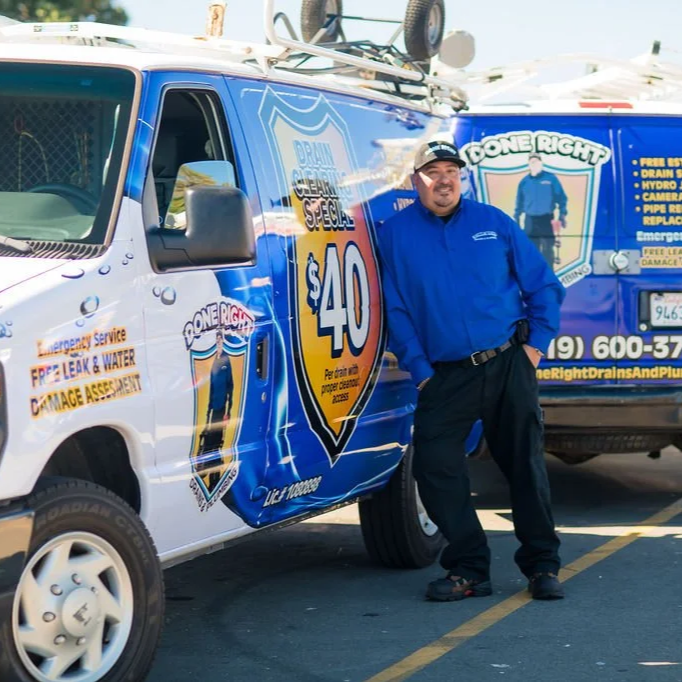
At Done Right Drains and Plumbing, most long-term clients started with a simple inspection after noticing smells or slow drains. That early step often saved them from emergency repairs later.
Living With The Smell Costs More Than You Think
Some homeowners tolerate sewer odors longer than they should. They avoid certain parts of the yard. They stop hosting barbecues. They keep windows closed. They feel embarrassed when guests notice. Over time, that daily inconvenience becomes part of life.
There are financial costs, too. Odor usually signals leakage. Leaks damage soil stability. Damaged soil affects hardscaping. Plants may die. Foundations may shift slightly. Drain problems inside the house may follow. Insurance rarely covers gradual sewer deterioration.
Property value also takes a hit. Home inspectors flag sewer issues quickly. Buyers walk away or demand steep discounts. What could have been handled earlier during planned sewer line installation becomes a negotiation issue during a sale.
Addressing the issue restores comfort, usability, and confidence in your property. Homeowners often say the biggest relief is not worrying every time clouds roll in.
Done Right Drains & Plumbing provides end-to-end sewer services designed to keep your system running smoothly, including sewer line repair, sewer line replacement, and sewer line cleaning. Our knowledgeable plumbers service residential sewer systems with a focus on durability, proper flow, and long-term performance. Whether you need prompt sewer repair or a complete line replacement, we deliver reliable service and no-surprise pricing. Contact us today and get your sewer system back on track without the hassle.
