
That Midnight Toilet Flush That Wakes the House - Homeowner’s Fix Guide
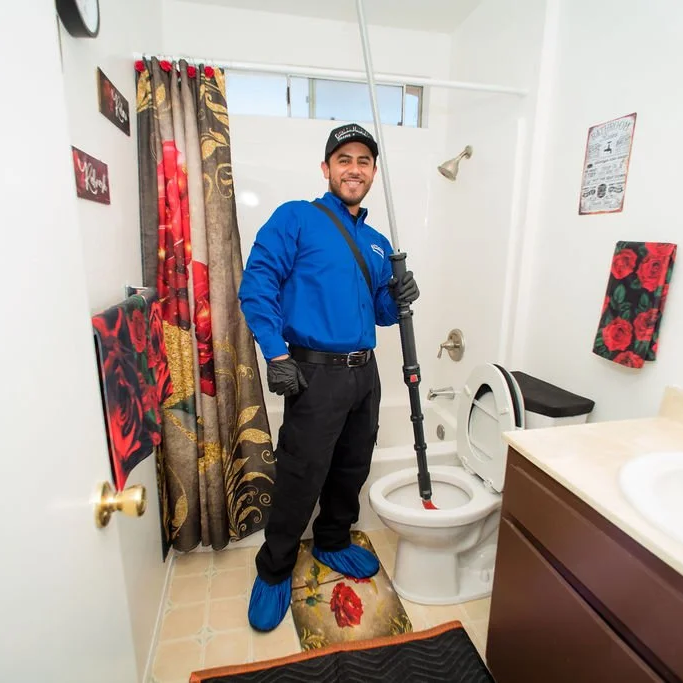
They are signals that the toilet isn’t seated right, the plumbing isn’t aligned, or parts are failing under normal pressure.
Ever been jolted awake by that phantom whoosh from the bathroom, wondering why your toilet sounds like a jet engine at 2 a.m.? You’re not alone. That loud, reverberating flush isn’t just annoying—it’s often a sign that something is off with your toilet installation or the plumbing behind it, and ignoring it can mean wasted water, skyrocketing bills, and a bathroom that never quite feels “quiet.”
Homeowners often shrug off these issues, thinking it’s just an old toilet or house settling, but repeated loud flushes, constant water running, or ghostly vibrations are more than minor annoyances. They are signals that the toilet isn’t seated right, the plumbing isn’t aligned, or parts are failing under normal pressure. By the time it wakes the whole house multiple nights in a row, it becomes impossible to ignore—and fixing it properly now can save headaches and costs later.
Why Your Toilet Screams at Night
One of the most common mistakes homeowners make is assuming that a noisy toilet is just a quirk of the model or an old home. People will say, “It’s been fine for years,” or “I guess all toilets are this loud,” but that’s rarely true. Most of the time, loud flushing, banging, or vibrating tanks point to underlying issues like improper toilet installation, loose bolts, or misaligned supply lines. When water crashes into the bowl at odd angles or pressure surges, the toilet essentially becomes an amplifier for every sound in the pipes. That echo carries through floors and walls, startling everyone in the house.
Older installations, particularly those where shortcuts were taken during a remodel or DIY project, compound the problem. A toilet might be slightly unlevel, or the wax seal could be improperly seated, causing the toilet to shift when flushed. Even small shifts can set off that “phantom flush” sound. Over time, repeated stress wears down gaskets, seals, and bolts, turning a minor noise into a nightly disruption. Homeowners often try to fix it with quick hacks—tightening bolts, shoving towels around the base—but without addressing the underlying misalignment, the problem comes back louder.
Common Installation Mistakes That Make Toilets Noisy
When it comes to toilet installation, there’s a world of small mistakes that create big headaches. One of the most overlooked is failing to level the toilet properly. Even a fraction of an inch off can cause uneven water flow, creating loud, uneven flushing. Another frequent issue is the improper use of the wax ring. Skipping a thick wax ring in favor of a thinner one, or reusing an old wax ring, can allow water to seep under the base and amplify vibration against the subfloor. The tank-to-bowl connection is another critical point—if bolts are overtightened or uneven, the tank can wobble slightly, producing that metallic clatter or bang during a flush.
Homeowners often think that cheaper toilets or self-install kits save money, but what actually happens is repeated frustration and potential damage to the floor or plumbing. Many DIY installations skip leveling or tighten the wrong bolts first, thinking it’s “good enough.” But when the water surges through, the toilet essentially beats against itself, sending reverberations through the bathroom and beyond. Correct installation requires careful alignment, proper sealing, and repeated flushing to catch issues before the tank is permanently anchored.
How Water Pressure Plays a Role
Another factor that homeowners rarely consider is water pressure. Many think the problem is just the toilet itself, but fluctuating or high water pressure can turn a normal flush into a thunderous event. When water hits the bowl too fast or hits a misaligned trapway, it creates vibration, noise, and even pipe hammering. Some homes have variable pressure from municipal supply lines, while others may experience pressure spikes if a washing machine or dishwasher kicks on during a flush. Without pressure regulation or proper valve settings, even a perfectly installed toilet can sound like it’s erupting.
Plumbing shortcuts often make this worse. Homes with old valves, undersized supply lines, or DIY ballcock replacements can experience uneven flow, causing the toilet to slam water into the tank or bowl unpredictably. Homeowners might notice that the problem gets worse at night because water usage elsewhere in the house drops, raising pressure on the bathroom lines. A licensed plumber will assess pressure, adjust valves, and make minor modifications to stop the “jet engine” effect that has everyone groaning at 3 a.m.
The Role of Parts Wear and Replacement
Even with a perfect installation, toilets have components that wear out over time. The flapper, fill valve, and flush valve can deteriorate, warp, or misalign, causing everything from drips and leaks to loud flushing and water hammer. Many homeowners assume that because the toilet still functions, nothing is wrong. But a flapper that doesn’t seat properly can allow water to flow irregularly, producing both noise and wasted gallons. Similarly, a fill valve that surges water into the tank too quickly can make a flush sound disproportionately loud.
Replacement parts are often straightforward, but homeowners make the mistake of assuming any flapper or fill valve will do. Even small variations in design or height can worsen vibration or lead to leaks. The best practice is to match parts exactly to the model, or to upgrade to modern, quiet-fill valves designed to reduce turbulence.
Why Ignoring Noise Can Cost More
A noisy toilet might feel like a minor annoyance, but homeowners who delay proper inspection often pay in more ways than one. Continuous vibrations stress bolts, subfloors, and connecting pipes. That constant jarring can lead to cracked porcelain, loose wax seals, or even subtle foundation shifts in older homes. Homeowners who wait until the toilet leaks or the subfloor rots will face far higher repair bills than they would have with a timely inspection and correction.
Wasted water adds another layer of hidden cost. A running or improperly flushing toilet can use thousands of extra gallons per year, sending your water bill up without anyone realizing the source. Beyond money, there’s also daily inconvenience—trying to fall asleep while the bathroom echoes like an airport, or dealing with a toilet that occasionally floods slightly at the base.
Quiet Flush Techniques and Upgrades
Modern toilets offer solutions to many common homeowner frustrations. Quiet-fill valves, slow-close seats, and anti-splash bowl designs all reduce the auditory impact of a flush. Some models feature dual-flush systems that reduce water speed and pressure for liquid waste, dramatically reducing noise at night. Homeowners often overlook these small tweaks, thinking they’re “just cosmetic,” when in reality they address the exact problems of vibration, tank banging, and echoing pipe noise.
The installation technique remains critical even with these upgrades. Proper leveling, sealing, and alignment ensure the toilet benefits from quiet features. Skipping steps or rushing installation undermines the advantage of quiet components. In many cases, homeowners who adopt new parts but reuse old installation shortcuts find that noise persists despite “modern” hardware. Pairing high-quality parts with the right setup is key to a toilet that doesn’t disrupt sleep or daily life.
Common DIY Fixes That Don’t Work
Many homeowners try to quiet a loud toilet on their own, using makeshift methods such as stuffing towels around the base, tightening visible bolts, or adding foam insulation inside the tank. While these tactics may reduce noise slightly, they don’t fix the root cause. Towels can shift, bolts can loosen, and foam in the wrong spot may interfere with tank operation, causing leaks or malfunctions. The problem typically returns—and sometimes worsens—because the underlying installation or water-flow issues remain unaddressed.
A few subtle signs indicate a DIY approach isn’t enough: ongoing tank vibration, uneven water fill, or fluctuating flush power. Once these appear, homeowners face not just noise, but potential damage to flooring and pipe connections. A licensed plumber familiar with proper toilet installation can pinpoint misalignment, replace or upgrade parts, and verify water pressure so the toilet flushes quietly and efficiently every time.
Timing Matters: Why You Can’t Wait
Seasonal and household timing play a bigger role than most homeowners realize. Cold winters can exacerbate minor misalignments as floors contract, tightening bolts or creating extra vibration. Hot summers can expand seals and intensify leaks. Homes with fluctuating household schedules, such as those with teenagers or shift workers, also amplify the noise issue. The “phantom flush” effect often becomes more noticeable when everyone else is asleep, and the house is still, making homeowners suddenly aware of a problem that was always there but drowned out during the day.
Ignoring these factors can lead to a sudden escalation: an unnoticed minor leak can turn into water damage, warped subfloors, or mold growth over time. Waiting for the noise to “go away” usually makes it worse. Addressing installation, component wear, and water pressure issues promptly keeps the toilet quiet and functional, preventing small annoyances from snowballing into costly, disruptive repairs.
How Done Right Drains and Plumbing Approaches Toilet Installation
At Done Right Drains and Plumbing, we see all these issues play out in real homes every day. Our focus is on a methodical approach: leveling the toilet perfectly, using the correct wax ring or gasket, tightening bolts without over-tightening, and checking water pressure before completing the installation. Each step is grounded in years of seeing what happens when homeowners cut corners—loose toilets, repeated noise, and wasted water.
We also educate homeowners on maintenance: how flappers wear, what a quiet-fill valve does, and why correct alignment matters more than just buying a “good toilet.” Many homeowners are shocked to learn that a small adjustment or part replacement can stop the 2 a.m. wake-up call, prevent floor damage, and lower water bills, all without replacing the entire unit. Our goal is that every toilet installed not only works but lives quietly and efficiently in the home.
Urgent Toilet Noise FAQs: Stop Plumbing Bangs Now
What causes a toilet to make loud banging noises when flushed?
Loud banging is usually caused by misaligned tank-to-bowl connections, improper leveling, or high water pressure hitting the bowl at odd angles. Worn or loose internal parts can also amplify the sound.
Can I fix a noisy toilet myself?
Some minor noise issues, like a loose seat or slightly misaligned bolts, can be addressed by a careful homeowner. However, misaligned installations, worn parts, or water pressure issues often require professional intervention to prevent leaks or further damage.
How does water pressure affect toilet noise?
High or fluctuating water pressure can make even a properly installed toilet slam water into the bowl, creating vibration and echoing through pipes. Pressure regulation and correct valve adjustment are key to a quiet flush.
Why does a toilet sometimes keep running or flush unevenly?
A running toilet usually has a worn flapper, a misaligned flush valve, or issues with the fill valve. These problems can cause water to flow inconsistently, leading to noise, vibration, and higher water bills if left unaddressed.
Is it worth upgrading to a quiet-fill or dual-flush toilet?
Yes, especially if the existing toilet is loud or old. Modern quiet-fill valves and dual-flush systems reduce turbulence, slow water entry into the tank, and decrease noise while improving efficiency. Proper installation is still essential.
Done Right Drains & Plumbing offers a reliable, all-in-one solution for professional plumbing services, including water heater services, bathroom, kitchen & laundry plumbing, general plumbing, inspection & gas lines, and hydro jetting in Chula Vista, CA. Our experienced team services residential plumbing systems with a focus on efficiency, safety, and long-term performance. Whether you need urgent water heater repair or a full system upgrade, we provide clear communication and upfront pricing you can trust. Schedule your plumbing service today and get dependable results before small issues turn into costly repairs.