
Why Your Washer Won’t Drain and Smells Like Mold
A damp laundry room with poor airflow encourages mold to spread from pipes to walls and flooring.
Why is my laundry room smelling like a swamp every time I open the washer? And why does the water sit there like it’s contemplating life instead of actually draining? You’re not imagining it—those funky odors and standing water are a clear sign that your laundry drain isn’t doing its job, and leaving it unchecked makes the problem worse with each load.
If your washer keeps refusing to drain properly, it’s not just about inconvenience. That stagnant water is a breeding ground for mold and mildew, your clothes start smelling musty even right out of the machine, and your utility bills climb as your washer struggles to push water through a clogged or faulty drain.
Why Laundry Drains Stop Working And Smell Worse Over Time
Most homeowners think a washer that isn't draining is just a washer problem, but the reality is that it usually starts with the laundry drain itself. Over time, lint, soap residue, hair, and even stray threads accumulate inside the drainpipe. If the buildup reaches a tipping point, water can barely flow, and anything that does get stuck begins to rot. That’s when the smell hits your nose—sometimes so strong you notice it before the washer even finishes the cycle.
Ignoring this for a few weeks or months is what really makes the situation spiral. The trapped water feeds mold and mildew, which then spreads up the pipe into your washer and out into the laundry room. Even if you try vinegar or a drain cleaner, these quick fixes rarely reach deep enough, so the smell lingers. The main point is, a laundry drain that’s not maintained won’t just slow your washing machine—it becomes a breeding ground for persistent odors.
Common Homeowner Mistakes That Make Laundry Drains Worse
A huge mistake homeowners make is assuming that all washers can flush themselves out. People rely on cheap, chemical drain cleaners, thinking they will fix a clogged drain overnight. In reality, these products often push the blockage further down the line or eat away at old pipes, creating cracks that lead to leaks or, worse, clogs.
Another common error is ignoring the simple lint trap. Even if your washer has a lint filter, it doesn’t catch everything. Lint and soap scum that escape into the drain accumulate gradually and form a sticky, smelly sludge. Some homeowners think, “I’ll just run hot water once a month,” but without physically clearing the drain, that sludge builds up again, faster than you expect.
How Improper Drain Installation Can Haunt You
Some problems aren’t caused by neglect—they start with installation. Laundry drains that are too short, angled incorrectly, or connected to older plumbing can make even the newest washers fight to empty water properly. If the drain doesn’t slope enough, water pools instead of flowing, carrying lint and detergent residue with it. Over time, this creates small backups that can cause flooding or seepage under the laundry room floor.
Homeowners often don’t realize their new washer isn’t the issue—it’s the drainage setup. Even a top-of-the-line machine struggles with a poorly installed or aging drain system. This is why professional inspection is critical. A plumber can spot bends, low-slope sections, and pipe-diameter issues that a homeowner can’t, preventing long-term damage that a quick DIY flush won’t fix.
The Role Of Lint And Soap Scum In Mold Growth
Lint might seem harmless because it’s just fluff, but it’s one of the leading causes of laundry drain odor. When mixed with moisture and soap residue, it creates a perfect sticky environment for mold. Over time, the smell migrates through the drainpipe, seeping back into the washer and even into your clean clothes. Homeowners often assume the washer itself is molding inside, but usually, it’s the hidden drain feeding that smells.
Soap scum compounds the issue by sticking to pipe walls. Hot water cycles temporarily dissolve it, but it quickly hardens again. Every cycle adds a thin layer of buildup, narrowing the pipe. A narrow pipe slows drainage, water pools, and mold spores thrive. Left unchecked, this combination can lead to a serious, recurring odor problem and water backups that no amount of laundry detergent can fix.
Why DIY Drain Cleaners Aren’t Enough
Plumbing products marketed as “miracle drain cleaners” are tempting, especially when the water is rising in the washer. But chemical cleaners have limits. They dissolve minor clogs and may temporarily reduce smells, but they don’t remove the dense, fibrous lint buildup and hardened soap scum at the root of the problem.
Over-reliance on chemicals can also damage older PVC or metal pipes. Cracks, leaks, and pipe corrosion often start from repeated exposure to harsh chemicals. In short, you might temporarily see water flowing again, but the odor, partial clogs, and long-term damage remain. For homeowners facing recurring backups, a professional laundry drain repair is almost always the only way to resolve the problem completely.
Seasonal Factors That Make Laundry Drain Problems Worse
Winter and humid summer months intensify laundry drain issues. Cold temperatures slow the natural flow of water in pipes, allowing residue to accumulate more quickly. High indoor humidity accelerates mold and mildew growth inside pipes and washers, so by the time you notice the smell, the problem has likely been building for months.
Homeowners often notice a spike in odor during seasonal changes because the drain system that was “barely working” over the summer suddenly struggles in winter. Pools of water sit longer, stagnant water multiplies, and the laundry room becomes a hotbed of musty smells. Proactive maintenance before extreme weather hits can save a lot of headaches.
How Professional Laundry Drain Repair Solves These Problems
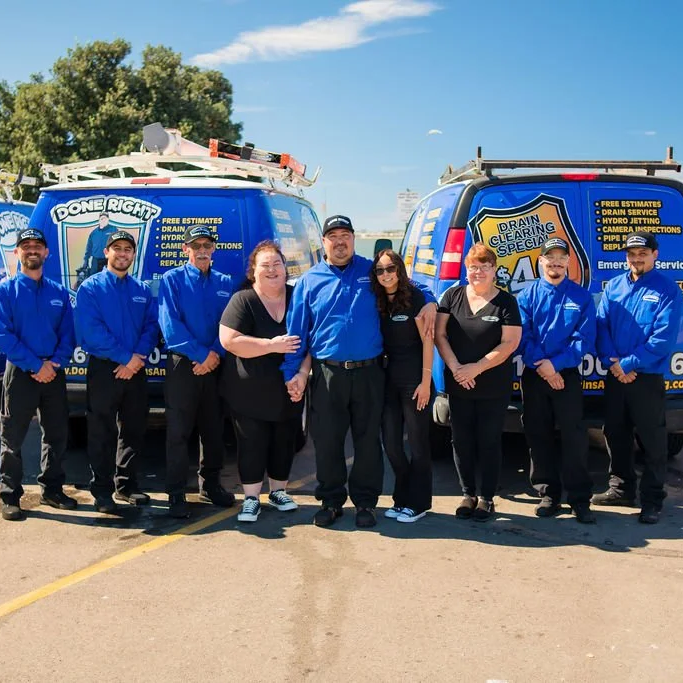
A professional service like Done Right Drains and Plumbing looks beyond the washer to the entire drainage system. Technicians can remove built-up lint, hardened soap scum, and debris physically, something chemicals or flushing alone can’t do. They inspect for installation issues, corrosion, and misaligned pipes that contribute to slow drainage and lingering odors.
Beyond clearing the drain, a plumber can advise on preventative measures, from adding or improving lint traps to adjusting pipe slopes. With professional attention, homeowners notice immediate improvements: faster drainage, fresher-smelling laundry, and reduced risk of backups that damage floors and walls. Investing in a proper repair avoids the constant frustration of foul-smelling, standing water every laundry day.
Small Upgrades That Make a Big Difference
Even after the drain is fixed, small changes help maintain a clean, odor-free laundry room. Installing a secondary lint catcher in the drain line can trap fibers before they build up. Running a maintenance flush with hot water and vinegar, or a safe enzymatic cleaner, once a month prevents soap scum buildup.
Ventilation also matters. A damp laundry room with poor airflow encourages mold to spread from pipes to walls and flooring. A simple vent fan, open window, or dehumidifier reduces moisture, slowing odor formation. Homeowners often overlook these small steps, but they compound over time, keeping the laundry space cleaner and fresher with minimal effort.
Urgent Laundry Drain FAQs: Avoid Costly Water Damage Now
How do I know if my laundry drain needs repair?
If your washer frequently leaves standing water, drains slowly, or your laundry room smells musty, these are clear signs your drain is compromised. Visible backups, foul odors, or repeated chemical flushes that don’t work also indicate a deeper issue requiring professional attention.
Can I fix a slow washer drain myself?
Minor clogs can sometimes be cleared with a plunger or manual cleaning, but persistent slow drainage or foul odors usually mean buildup deep in the pipes. DIY solutions rarely reach the full extent of the problem, and overuse of chemicals can damage pipes.
Why does my washer smell even after running hot cycles?
Hot water may temporarily loosen soap scum, but deep mold and lint buildup in the drainpipe remains. These hidden deposits keep releasing odors back into the washer, making your laundry smell musty even after cleaning cycles.
Does washer placement affect drainage issues?
Yes. Washers connected to drains with poor slope, long horizontal runs, or improper venting can struggle to drain completely. Even a new washer will underperform if the drain setup is flawed.
How can I prevent laundry drain problems in the future?
Routine maintenance, including monthly drain inspection, using lint traps, running safe enzymatic cleaners, and improving laundry room ventilation, can prevent buildup and odors. Addressing minor issues early avoids costly repairs and keeps your laundry flowing smoothly.
Done Right Drains & Plumbing provides a complete, one-stop solution for professional plumbing services in Chula Vista, CA, including drain cleaning & clog removal, sewer line services, pipe repair, replacement, & repiping, and leak detection & repair. Our expert plumbers service residential plumbing systems with a focus on efficiency, reliability, and long-term performance. Whether you need urgent pipe repair or a full system repipe, we provide fast response times and honest, upfront estimates. Schedule your plumbing service today and get dependable results that last.