
Tree Roots Cracking Your Sewer Line? Don’t Wait
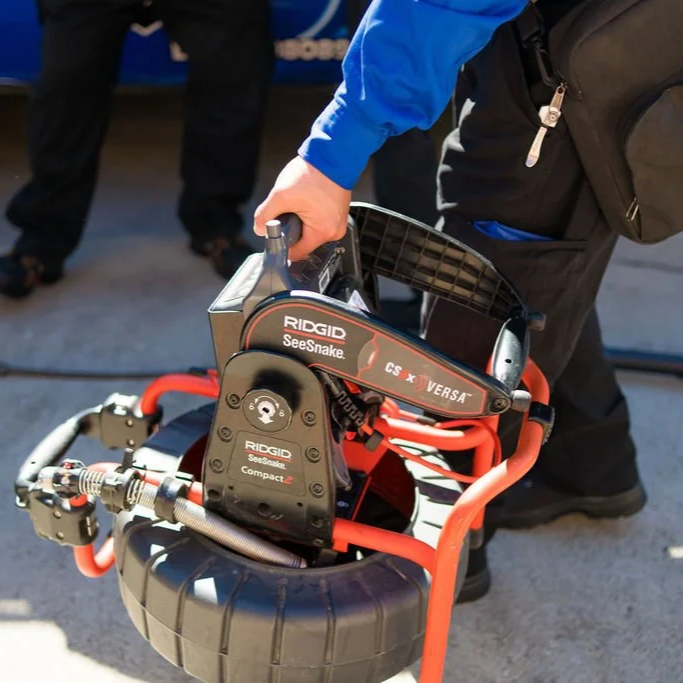
Homeowners often tell themselves a little blockage isn’t a problem, but by the time roots invade the main line, you’re looking at major excavation or costly trenchless repair.
Ugh, there it is again—the slow drain in your kitchen sink that no amount of plunging seems to fix. Or worse, the gurgling toilet late at night, and you know deep down it isn’t just a clog; something is growing in your pipes. If your yard has trees older than your home, those roots aren’t just decorating—they’re silently probing for weaknesses in your sewer line, and the longer you wait, the more expensive the cleanup will get.
Ignoring those warning signs isn’t a small oversight. A cracked sewer pipe doesn’t just slow drainage; it allows wastewater to leak underground, creating foul odors, soggy patches in your yard, and even structural damage if it seeps near your foundation. Homeowners often tell themselves a little blockage isn’t a problem, but by the time roots invade the main line, you’re looking at major excavation or costly trenchless repair.
How Tree Roots Find Your Pipes And Why They Won’t Stop
Tree roots are not malicious, but they are persistent. Roots naturally seek moisture and nutrients, and a sewer line that has a tiny crack or loose joint is an irresistible water source. Even pipes made from modern materials like PVC aren’t immune if fittings shift over time or the pipe develops hairline fractures. The first roots that reach your sewer often cause minor clogs, which homeowners may mistake for a typical blockage. The problem is that once roots penetrate the pipe wall, they grow quickly inside, forming dense mats that trap hair, grease, and other debris.
The real issue isn’t just the clog. Roots inside your sewer line force the water to flow in odd directions, putting uneven pressure on the pipe walls. Over months or years, this stress widens cracks and eventually breaks joints, leading to leaks underground. Homeowners often call a plumber for repeated snaking or hydro-jetting without realizing the underlying root invasion continues. Even after temporary fixes, the pipe remains vulnerable. Without proper sewer line protection services, each “minor” clog is a ticking time bomb for structural damage and raw sewage exposure.
Common Homeowner Mistakes That Make Root Damage Worse
One of the most frequent mistakes we see is waiting until the problem becomes obvious. People assume a little gurgle or slow drain is seasonal or caused by kids flushing too much toilet paper. Meanwhile, roots have already taken hold inside the pipe. By the time it becomes undeniable, the damage may require extensive excavation to replace entire sections of the sewer line. Temporary fixes like chemical root killers, foaming treatments, or repeated snaking can mask the problem but never stop it entirely.
Another false assumption is that newer homes or materials are immune. Many homeowners think “PVC doesn’t crack, so I’m safe,” but even newer pipes can have joints that loosen over time or shift slightly due to soil movement. Roots are extremely opportunistic and will exploit the smallest gaps. Skipping preventive inspections is another misstep. Sewer line protection services exist precisely because damage often begins unnoticed, and by the time you smell it in the backyard or notice soggy spots, remediation costs skyrocket.
The Early Warning Signs Every Homeowner Should Watch
Recognizing the problem early can save thousands in repairs. Slow drains in multiple fixtures, unexplained backups, foul odors in the yard, patches of unusually lush grass, and sinkholes are all red flags. You may also notice gurgling sounds when water drains elsewhere in the house—this indicates roots may be partially blocking the main line, forcing water to back up in unexpected ways.
Homeowners often dismiss a single sign, assuming it’s an isolated issue, but root invasion is rarely contained. When you notice more than one symptom, it’s usually the tip of a much larger underground problem. Professionals offering sewer line protection services use specialized cameras to inspect the pipe interior, revealing root intrusions before they cause catastrophic failure. This proactive approach gives you options for non-invasive fixes, such as pipe lining, rather than the disruptive and expensive traditional excavation.
Why Temporary Fixes Fail And What Actually Works
Homeowners often fall for the lure of temporary solutions. Chemical root killers or foaming treatments can temporarily clear small roots, but they do nothing to prevent new roots from growing back. Even snaking or hydro-jetting can temporarily remove a blockage, but if the pipe itself is compromised, the roots will return more quickly and often in larger masses.
Sewer line protection services are designed to address both symptoms and root causes. Trenchless pipe lining, for example, creates a new inner pipe without digging up your yard, prevents roots from penetrating, and restores structural integrity. Regular inspection and maintenance programs also let you catch weak spots before roots exploit them. Unlike a one-time chemical treatment, these services are built to protect the sewer line for decades, preventing repeated backups, unpleasant odors, and costly emergency repairs.
How Landscaping Choices Affect Your Sewer Line
Homeowners often plant trees near sewer lines without thinking about long-term consequences. Fast-growing trees with aggressive root systems, like willows, maples, and oaks, are particularly risky. Even shrubs with deep roots can eventually reach sewer lines if planted directly above or near the pipe path.
Understanding the interaction between landscaping and plumbing is crucial. Professionals recommending sewer line protection services often advise creating buffer zones around sensitive pipes, choosing tree varieties with less invasive roots, and installing root barriers. These preventive measures aren’t just aesthetic—they prevent frustration and expensive damage down the road. Moving a tree later is far more difficult and costly than planning your yard with your pipes in mind from the start.
The Cost Of Ignoring Sewer Line Damage
Many homeowners delay action because they assume it will be cheap to fix later. Reality is, waiting increases costs exponentially. Early root invasion may only require a few hundred dollars in minor repairs, but a fully collapsed line can cost thousands to excavate and replace. Beyond direct repair costs, there are secondary problems. Sewer leaks under your foundation can compromise its structural stability. Wastewater can saturate soil, creating sinkholes or damaging landscaping. There’s also the health risk—exposure to raw sewage in the yard is both unpleasant and dangerous.
Homeowners who understand this often invest in regular sewer line protection services. Proactive maintenance, periodic inspections, and professional root control are far more affordable than emergency repairs. It’s not about preventing a problem you haven’t seen—it’s about preventing a disaster you will notice too late.
How Sewer Line Protection Services Give You Peace Of Mind
Sewer line protection services are more than a one-off repair—they’re a long-term solution to a problem that doesn’t announce itself until it’s severe. Services typically include camera inspections, targeted root removal, trenchless pipe repair, and preventive treatments. Some programs even offer annual or semi-annual checks to catch damage early before it spreads.
The value isn’t just in stopping clogs. Homeowners gain peace of mind, knowing their yard won’t turn into a swamp, their drains won’t back up unexpectedly, and the foundation of their home isn’t under silent attack. Protecting your sewer line is about maintaining comfort, safety, and property value. Done Right Drains and Plumbing often tells clients: “You don’t need to see the roots to know they’re there, but proactive protection makes them irrelevant.” That foresight is the difference between a minor annoyance and a major emergency.
Seasonal Factors That Make Root Damage Worse
Many homeowners don’t realize how much timing matters. Roots grow faster during wet seasons when soil moisture is high, and freeze-thaw cycles can shift pipes, widening cracks, and making it easier for roots to invade. In spring or fall, minor root intrusion can quickly escalate if left unchecked.
Planning inspections around seasonal conditions gives homeowners an edge. Camera inspections in dry months often catch minor root intrusions that would otherwise go unnoticed. Professional sewer line protection services can schedule root removal or pipe lining at the right time, minimizing disruption to your yard and household. Ignoring seasonal patterns often turns a manageable problem into an urgent, costly repair during the next wet season.
When It’s Time To Call A Professional
Homeowners sometimes think DIY fixes are enough, but sewer lines are buried, often under landscaping or concrete, and mistakes can be costly. Trying to dig and replace pipe sections without the right tools or permits can make matters worse. Frequent snaking or chemical treatments may mask the problem, giving a false sense of security while roots slowly destroy the pipe.
Calling a professional early saves money, hassle, and potential property damage. A trained plumber can inspect, diagnose, and offer solutions tailored to your home’s pipe material, landscaping, and age. Sewer line protection services aren’t a luxury—they’re a necessity for anyone with trees near their pipes. Waiting until a backup floods your basement or leaks into your yard is a gamble no homeowner should take.
Planning For Long-Term Protection
Once a home has had root intrusion, the smart approach is ongoing maintenance. Regular inspections, pipe lining, and strategic root control can extend the life of your sewer system for decades. Homeowners often overlook the cumulative effect of repeated clogs, which slowly degrade pipe integrity. Proactive planning protects your investment, reduces stress, and keeps your home functioning smoothly.
Landscaping choices, pipe material upgrades, and scheduled root inspections all work together. Even if your pipes haven’t shown severe symptoms yet, planning a preventive approach now will prevent the frustration of emergency excavation, lost yard space, and costly repairs later. Long-term thinking is what separates homeowners who face repeated backups from those who rarely notice any problem at all.
Done Right Drains & Plumbing provides end-to-end sewer services designed to keep your system running smoothly, including sewer line repair, sewer line replacement, and sewer line cleaning. Our knowledgeable plumbers service residential sewer systems with a focus on durability, proper flow, and long-term performance. Whether you need prompt sewer repair or a complete line replacement, we deliver reliable service and no-surprise pricing. Contact us today and get your sewer system back on track without the hassle.
