
Why My Sink Keeps Clogging Even After “Professional” Help
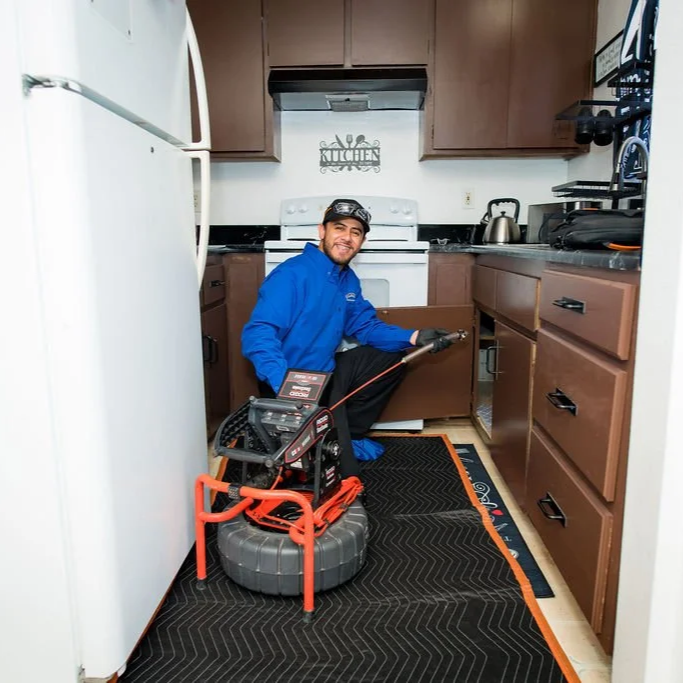
Buildup is gradual, stubborn, and patient. It grows in places you cannot see and affects the whole system, not just one drain. Over time, it turns minor inconveniences into daily frustrations, higher water bills, strange smells, and expensive repairs that seem to come out of nowhere.
You are standing at the kitchen sink, watching cloudy water creep up around the drain for the third time this month, wondering why it never seems to stay fixed. You already paid someone to “clear it,” yet here you are again, listening to that slow gurgle and feeling that familiar mix of annoyance and regret.
If that scene feels uncomfortably familiar, you are not alone. After years in the plumbing business, I have lost count of how many homeowners tell me, “It was fine for a week, then it just started backing up again.” Most of the time, the problem is not bad luck. It is debris and scale buildup quietly growing inside the pipes while life goes on above them. Grease from cooking, soap from showers, hair from drains, mineral deposits from water, and bits of food all stick to pipe walls over time. Without proper debris and scale removal, those layers keep stacking up until water has nowhere to go.
People often assume a clog is a single event. Something “fell in,” something “got stuck,” and once it is pushed out, the problem is solved. Real plumbing systems do not work that way. Buildup is gradual, stubborn, and patient. It grows in places you cannot see and affects the whole system, not just one drain. Over time, it turns minor inconveniences into daily frustrations, higher water bills, strange smells, and expensive repairs that seem to come out of nowhere.
Why Does My Sink Keep Clogging Even After It Was “Cleared”?
One of the most common questions I hear is, “Why does my sink keep clogging even after it was cleared?” Usually, the homeowner did exactly what most people do. They used a plunger, poured in a chemical cleaner, or had someone snake the drain until water started moving again. On the surface, that looks like success. Water flows. The sink empties. Everyone relaxes.
But in many cases, only a narrow tunnel was punched through a much larger mass of debris and scale buildup. Think of it like poking a straw through a frozen slushie. Liquid moves for a while, but the bulk of the mess is still there.
Inside your pipes, grease coats the walls, soap sticks to that grease, hair clings to the soap, and minerals in the water harden everything over time. Snakes and quick fixes often cut a path through the soft middle, leaving thick layers behind. As soon as normal use resumes, that small opening fills in again. Dishwashing, showers, laundry, and handwashing keep feeding the problem. Within days or weeks, the clog returns, usually worse than before.
Homeowners often misunderstand what “cleared” really means. They think it means “clean.” In reality, it often just means “temporarily open.” Proper debris and scale removal means addressing the entire pipe diameter, not just making a hole big enough for today’s water to pass through. When the buildup is ignored at this stage, it continues to harden. Over months and years, it can reduce pipe capacity to the point that even light use causes backups. That is when people start dealing with standing water, slow drains in multiple rooms, and that embarrassing moment when a sink overflows while guests are over.
The Hidden Layer Inside Your Pipes That Nobody Talks About
Most homeowners imagine pipes as smooth, clean tunnels where water slides through. In real homes, especially those more than a few years old, pipes rarely look like that on the inside. Over time, they develop a rough, sticky interior surface made from layers of debris and mineral scale. This hidden layer acts like Velcro for anything that goes down the drain. Food particles, lint, soap residue, and hair grab onto it and stay there. Every month, that layer gets thicker and harder.
Scale buildup comes from minerals in your water, especially calcium and magnesium. When water flows through pipes and then evaporates or sits, the minerals it carries are left behind. They form a chalky, rock-like coating that bonds to metal and even plastic pipes. Many homeowners assume scale is only a problem in kettles or showerheads. In reality, it builds up throughout the plumbing system. Once the scale is established, debris adheres more readily, accelerating clog formation.
People often underestimate how much this affects performance. A pipe that has lost twenty or thirty percent of its diameter does not just drain a little slower. Flow changes completely. Turbulence increases. Waste moves less efficiently. Pressure builds in the wrong places. Over time, joints experience more stress, and corrosion can accelerate. If scale and debris are never properly removed, homeowners may eventually face cracked pipes, leaking joints, and full blockages that cannot be snaked. At that point, repairs become invasive and expensive, often involving cutting walls or floors.
The Big Mistake: Thinking Drain Cleaners “Solve” the Problem
One of the biggest misconceptions in home plumbing is that store-bought drain cleaners solve buildup. Many homeowners reach for these bottles out of frustration. Standing water, bad smells, and slow drainage make people desperate for something fast. Pouring in a chemical feels proactive. Sometimes, it even works temporarily. Water drains, and the problem seems gone. But underneath, those chemicals rarely remove debris and scale buildup in any meaningful way.
Most drain cleaners are designed to burn through soft organic material near the blockage. They might dissolve some hair or grease in one spot, but they do very little to hardened scale or thick-layered residue along the pipe walls. Worse, repeated use can damage pipes, especially older metal ones. Heat and corrosion weaken the structure, increasing the likelihood of leaks down the line. I have seen many situations where regular chemical use turned a manageable buildup issue into a pipe replacement job.
Another problem is false confidence. After using chemicals, homeowners often delay proper service because “it worked last time.” Meanwhile, the buildup keeps spreading. By the time chemicals stop working, the pipes are already heavily restricted. At that stage, even professional cleaning becomes more difficult. Proper debris and scale removal methods, such as hydrojetting or mechanical descaling, address the entire interior of the pipe. They remove layers instead of burning holes through them. Skipping that step in favor of quick fixes almost always leads to repeated frustration and higher long-term costs.
Why Old Habits and “Careful Use” Are Not Enough
Many people believe that if they are careful, they can avoid buildup. They scrape plates, avoid pouring grease down the drain, and use drain screens. Those habits help, and I always encourage them. But they do not stop buildup completely. Even the most careful households produce soap residue, skin oils, food particles, and mineral deposits. Every shower, every load of dishes, every handwash contributes something.
Another outdated belief is that newer homes or newer plumbing do not have these problems. In reality, modern materials resist corrosion better, but they still accumulate debris and scale. In some cases, plastic pipes develop biofilm layers that trap waste even more quickly than older metal pipes. Water quality also plays a huge role. Hard water accelerates scale formation, regardless of pipe age. Homeowners often overlook this factor because it is invisible.
Timing matters more than people think. Seasonal changes, increased summer water use, holiday cooking, and aging water heaters all affect how much residue moves through your system. Over the years, small changes compound. Pipes that handled everything fine a decade ago suddenly start struggling. Ignoring early signs like minor slowdowns or occasional gurgling lets the problem mature into a serious, system-wide issue. At that stage, prevention is no longer enough. Targeted debris and scale removal becomes necessary to restore proper flow.
What Professional Debris and Scale Removal Actually Does
When done properly, debris and scale removal is not about pushing waste farther down the line. It is about restoring the internal condition of the pipe as much as possible. Techniques like hydro jetting use high-pressure water to scrub pipe walls clean. Mechanical tools can break up hardened scale without damaging the pipe. Camera inspections help identify where the buildup is worst and why it formed there.
Homeowners often misunderstand this process. Some think it is overkill for “just a slow drain.” Others worry it will damage their system. In reality, when performed correctly, professional cleaning extends the life of pipes. Removing an abrasive scale reduces friction and stress. Clearing debris improves flow and lowers the risk of backups. It also helps identify underlying issues, such as sagging pipes, root intrusion, or improper slopes, that contribute to buildup.
From a long-term perspective, periodic professional cleaning is similar to maintaining any other home system. Just as HVAC systems need servicing and roofs need inspections, plumbing needs attention beyond emergencies. Ignoring buildup until a major blockage occurs often leads to water damage, ruined cabinets, mold growth, and weeks of disruption. Addressing it earlier protects both your comfort and your property.
At Done Right Drains and Plumbing, many service calls start with frustration and end with relief once homeowners see what was actually inside their pipes. Video inspections showing thick scale and compacted debris often explain years of recurring problems in a few minutes. That clarity alone changes how people think about maintenance.
Why Ignoring Slow Drains Costs More Than You Think
Slow drains rarely feel urgent. Water still goes down. Life continues. Homeowners get used to waiting an extra thirty seconds in the shower or running the disposal longer after dinner. Over time, that inconvenience becomes background noise. But behind the scenes, the buildup is still growing. Pressure changes. Waste lingers longer. Odors develop. Bacteria thrive in stagnant areas.
Eventually, minor restrictions turn into full blockages. That is when sinks overflow, toilets back up, or basement drains flood. Water damage spreads fast. Cabinets swell. Flooring warps. Walls soak up moisture. Insurance claims follow. All of that can start from a problem that once looked like “just a slow drain.”
Rising water bills are another overlooked consequence. Restricted pipes force pumps and appliances to work harder. Dishwashers and washing machines may run longer. Water heaters may cycle more frequently. Over the years, these inefficiencies add up. Homeowners often blame aging appliances, never realizing that clogged plumbing is part of the problem.
Ignoring early warning signs also limits repair options. When the buildup is moderate, cleaning is straightforward. When pipes are severely restricted or damaged, replacement becomes more likely. That means higher costs, more disruption, and lost use of parts of the home. Addressing the buildup early keeps control in your hands instead of forcing rushed decisions later.
Done Right Drains & Plumbing provides a complete, one-stop solution for professional plumbing services in Chula Vista, CA, including drain cleaning & clog removal, sewer line services, pipe repair, replacement, & repiping, and leak detection & repair. Our expert plumbers service residential plumbing systems with a focus on efficiency, reliability, and long-term performance. Whether you need urgent pipe repair or a full system repipe, we provide fast response times and honest, upfront estimates. Schedule your plumbing service today and get dependable results that last.
