
Why Your Shower Backs Up Every Morning and Smells Like Sewage
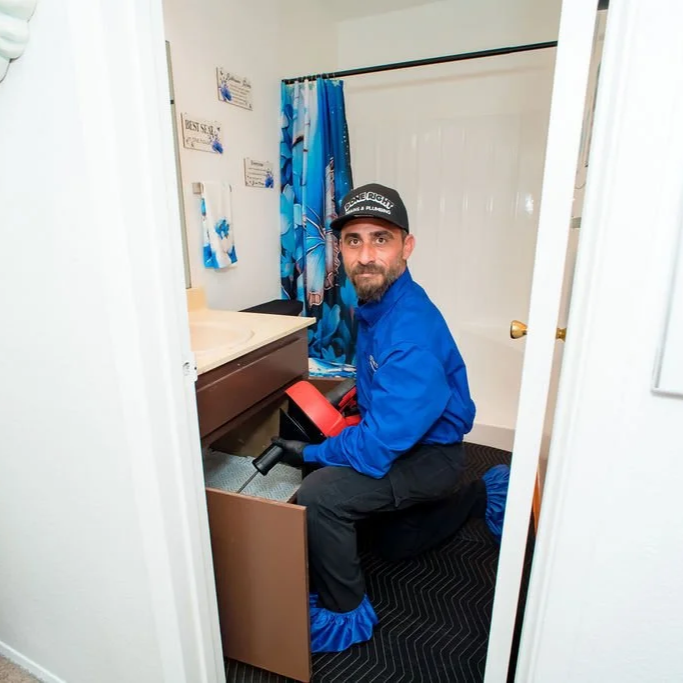
The problem is, many people misunderstand why drains clog in the first place and end up making things worse without realizing it.
You step into the shower half asleep, and instead of warm water washing everything away, it starts pooling around your ankles like a dirty puddle. Every morning feels like the same battle: slow drain, weird smell, and that nagging thought that something is seriously wrong down there. Ignore it long enough, and suddenly it is not just annoying anymore. It is ruining your routine, creeping into your bathroom air, and quietly setting you up for bigger plumbing problems.
After years of working in real homes, I have seen how something as small as a slow drain can turn into daily frustration, higher repair bills, and damage people never expected. Most homeowners do not wake up planning to deal with shower drain cleaning, but when water starts backing up, and smells start drifting through the house, it becomes impossible to ignore. The problem is, many people misunderstand why drains clog in the first place and end up making things worse without realizing it.
Why Does My Shower Drain Keep Clogging No Matter What I Do?
One of the most common things I hear is, “I just cleaned it last month, so why is it slow again?” Homeowners often assume a clogged shower drain is a one-time issue caused by a bad hair day or a little extra soap. In reality, most clogs are built slowly, layer by layer, over months or even years. Hair wraps itself around the inside of the pipe like a net. Soap scum sticks to that hair. Skin cells, shampoo residue, and hard water minerals accumulate. Before long, you are not dealing with a loose wad of hair anymore. You are dealing with a thick, greasy, sticky tunnel that barely lets water through.
What makes this frustrating is that surface cleaning only handles part of the problem. Pulling out a visible hair clump from the drain cover feels productive, but it rarely touches what is deeper in the pipe. That hidden buildup keeps growing even when the drain looks “clean.” Over time, water drains more slowly, smells become trapped, and bacteria begin to thrive in the damp sludge. Homeowners think they are staying ahead of the issue, but the real clog keeps building quietly underneath. That is why shower drain cleaning done the right way matters more than most people realize.
Another factor is pipe design and age. Older plumbing systems often have narrower pipes or rougher interior surfaces that grab onto debris more easily. Even newer systems can develop buildup if they are not maintained properly. If multiple people use the same shower daily, especially with long hair or heavy product use, the clog builds even faster. The drain does not fail overnight. It slowly loses capacity until one day, you are standing in ankle-deep water, wondering what went wrong.
The Hair, Soap, And Grease Combination Nobody Warned You About
Most homeowners blame hair alone, and hair is definitely a major culprit. But hair by itself usually does not cause a serious blockage. The real trouble starts when hair mixes with soap residue and body oils. Soap is designed to clean grease off your skin, but once it goes down the drain, it cools and hardens. That hardened residue sticks to pipe walls and traps anything that passes by. Hair becomes the framework. Soap becomes the glue. Everything else becomes filler.
Over time, that mixture turns into something closer to wet concrete than loose debris. I have pulled out clogs that looked and felt like rubbery bricks. They do not dissolve easily. Hot water does not melt them away. Store-bought drain cleaners barely touch them. Meanwhile, water keeps pushing against the blockage, forcing dirty residue back up into the shower pan. That is when homeowners start noticing brown streaks, sour smells, and slow drainage that never seems to improve.
Personal care products make this worse. Thick conditioners, exfoliating scrubs, beard trimmings, and even “natural” shampoos can contribute to buildup. Many people assume eco-friendly or sulfate-free products are safer for drains, but they still leave residue behind. When you combine daily product use with long hair and warm water, you create the perfect environment for stubborn clogs. Without regular, thorough shower drain cleaning, that combination almost always wins.
“Can’t I Just Pour Something Down There and Fix It?”
This is another question homeowners type into search bars all the time: “Can I use drain cleaner for my shower clog?” The short answer is yes, you can. The honest answer is that you probably should not rely on it. Chemical drain cleaners are designed to burn through organic material using heat and corrosive reactions. Sometimes they clear a partial blockage. Sometimes they barely work at all. And sometimes they damage your pipes in the process.
In real homes, especially older ones, repeated chemical use weakens joints, softens PVC, and corrodes metal piping. I have seen leaks form months after heavy drain cleaner use because the chemicals slowly ate away at vulnerable spots. Homeowners never connect the dots. They think the leak “just happened,” when in reality it started with shortcuts taken years earlier. On top of that, chemicals rarely remove the entire clog. They burn a small channel through the buildup, which temporarily improves drainage while leaving most of the blockage in place.
The other issue is safety and air quality. Strong drain cleaners release fumes that linger in bathrooms with poor ventilation. People pour them in, close the door, and forget about it. Meanwhile, those fumes spread into the home. If the drain is fully blocked, the chemicals can even splash back up. That is not something you want on your skin or in your eyes. Proper shower drain cleaning relies more on physical removal and professional tools than on harsh chemicals that create new risks.
The Hidden Damage Slow Drains Cause Over Time
A slow shower drain is more than a daily inconvenience. It is a warning sign. When water cannot leave the shower efficiently, it starts seeping into places it was never meant to go. Grout lines stay wet longer. Caulk deteriorates faster. Moisture works its way under tiles and behind walls. Over time, that trapped moisture creates ideal conditions for mold and mildew, especially in warm bathrooms with limited airflow.
Homeowners often focus on surface mold while ignoring what is happening beneath the surface. You wipe down black spots and feel relieved, but the real problem keeps growing out of sight. I have opened walls behind showers where slow drainage allowed moisture to collect for years. The framing was soft. The insulation was soaked. Repairs became major projects instead of simple maintenance jobs. All because a clogged drain was treated as a minor annoyance rather than a structural risk.
There is also the issue of backups. When drains slow down enough, water has nowhere to go. During long showers, heavy usage, or busy mornings, dirty water can overflow into the bathroom floor. That water carries bacteria and pipe residue. Once it reaches the flooring and baseboards, cleanup becomes harder, and damage spreads faster. What started as “just slow” turns into soaked cabinets, warped trim, and stained grout.
The Big Mistake: Waiting Until It Fully Stops Working
One of the most expensive habits I see is waiting for total failure. Homeowners tolerate slow drainage for months. They get used to standing water. They learn to end showers early. They mentally work around the problem. Then one day, the drain completely stops. Water rises instantly. Panic sets in. Towels come out. Buckets appear. Emergency calls get made.
By that point, the clog is usually compacted and deep. Simple tools no longer work. Sometimes multiple drains are affected because the blockage has reached shared lines. The repair becomes more complex, more time-consuming, and more expensive. All because early warning signs were ignored. Slow drains, gurgling sounds, lingering odors, and inconsistent drainage are all signals that something is building up inside the system.
Regular shower drain cleaning is not about perfection. It is about keeping the buildup from reaching the point of collapse. Think of it like brushing your teeth. You do not wait until a tooth breaks before paying attention. Pipes work the same way. Small, routine maintenance prevents major breakdowns. Waiting for disaster almost always costs more in the long run.
What Professional Drain Cleaning Actually Does Differently
Many homeowners assume professional drain cleaning is just a stronger version of what they can do themselves. In reality, it works very differently. Instead of burning through debris or pulling out surface clogs, professionals use mechanical and water-based tools that clean the full diameter of the pipe. That means removing buildup from the walls, not just punching holes through it.
Tools like motorized augers, specialized brushes, and hydrojetting systems physically break up and flush out accumulated debris. They restore proper flow instead of leaving partial blockages behind. In experienced hands, these tools clean without damaging pipes. They also allow plumbers to feel resistance, detect problem areas, and adjust techniques based on what is actually happening inside the line.
At Done Right Drains and Plumbing, most serious shower drain cleaning jobs reveal years of neglected buildup. Homeowners are often shocked by how much material comes out of a pipe that “still drained.” That hidden mass was slowly choking the system. Once it is gone, water flows freely again, smells disappear, and daily routines stop feeling like small battles.
How Daily Habits Quietly Make Clogs Worse
Small habits add up. Letting hair wash down the drain. Rinsing heavy conditioners directly into pipes. Skipping drain screens because they look ugly. Washing sandy feet after the beach. Shaving in the shower. None of these seems harmful on its own. Together, they create perfect clog conditions.
Many people also assume hot water prevents buildup. It helps temporarily, but once water cools inside the pipes, residue hardens again. Others believe running extra water after showering “pushes everything through.” In reality, it often pushes debris into tighter spaces where it sticks more firmly. These myths keep circulating because they sound logical, but real-world plumbing does not work that way.
Simple changes help. Using quality drain covers. Cleaning hair traps weekly. Rinsing screens regularly. Being mindful of heavy product buildup. These habits do not eliminate the need for professional cleaning, but they slow down the buildup significantly. Over years of homeownership, that difference matters.
Done Right Drains & Plumbing provides a complete, one-stop solution for professional plumbing services in Chula Vista, CA, including drain cleaning & clog removal, sewer line services, pipe repair, replacement, & repiping, and leak detection & repair. Our expert plumbers service residential plumbing systems with a focus on efficiency, reliability, and long-term performance. Whether you need urgent pipe repair or a full system repipe, we provide fast response times and honest, upfront estimates. Schedule your plumbing service today and get dependable results that last.
