
Smell Gas in Your Chula Vista, CA, Garage? Don’t Pretend It’s Nothing
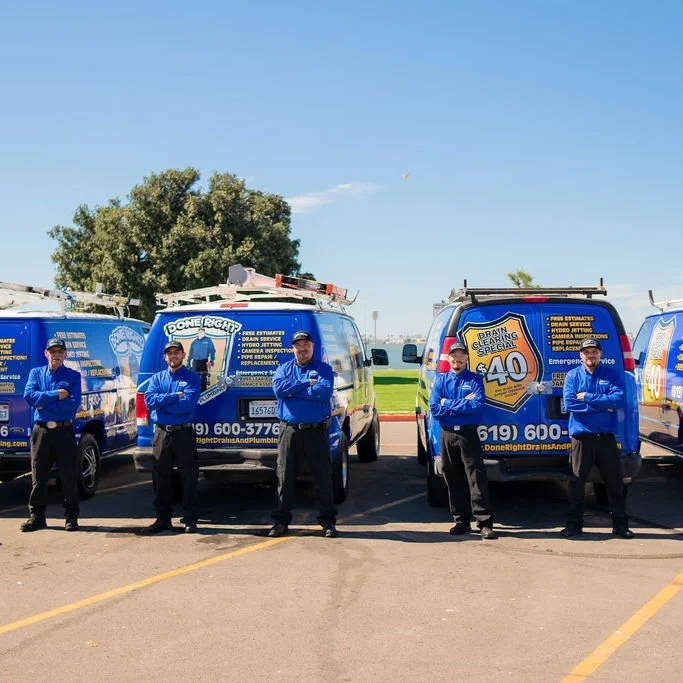
In Chula Vista, CA, and throughout the San Diego area, homes with aging plumbing or older gas lines are particularly vulnerable.
I can’t stand that faint rotten-egg smell creeping through my garage, and I'm wondering if the whole house is about to explode. You open the door, sniff again, and suddenly that cheap little propane smell turns into a full-blown panic—why did I wait so long to call someone? Ignoring that odor can turn a small leak into an emergency, and believe me, it’s not something you want to “just monitor” until tomorrow.
Most homeowners think a gas smell is minor if the pilot light still works or the stove still turns on. That’s where things get dangerous. Gas leaks rarely stay harmless—they creep, they linger, and they compound, turning a simple fix into a major repair with real safety risks. In Chula Vista, CA, and throughout the San Diego area, homes with aging plumbing or older gas lines are particularly vulnerable.
Why Gas Line Leaks Happen More Often Than You Think
Gas lines in homes aren’t invincible. Age, corrosion, shifting foundations, or even small mistakes from DIY installations can cause leaks that go unnoticed until the smell hits your nose. Homeowners often assume that if their furnace or stove still runs fine, everything is okay. But gas leaks can be subtle, and they often hide behind walls, under floors, or in the garage, slowly seeping into your living spaces.
Older copper or steel lines can develop pinhole leaks, especially in humid coastal environments like Chula Vista. Even minor leaks can let flammable gas accumulate in enclosed areas, creating a hazard that could ignite from something as simple as a light switch or a static spark. The trickiest leaks aren’t loud or visible—they’re silent until something sets them off. Waiting to call a professional often turns a small repair into an emergency, raising both the risk and the repair cost.
Common Homeowner Mistakes That Make Gas Leaks Worse
A lot of homeowners think they can “track down the leak themselves” with a candle or a match, or even by pouring soapy water on a suspected line and waiting for bubbles. That might seem logical, but it’s a gamble that can lead to disaster. The pressure in home gas lines, even low-pressure lines, can cause them to ignite, and using a flame or electricity near them is asking for a fire or explosion.
Another mistake is delaying professional inspection after detecting even a faint odor. People assume it’s only a minor issue—“It’s probably just the pilot light acting up”—and go about their day. Gas doesn’t wait for your schedule. Every hour you delay professional help increases the risk of property damage, inhalation-related health risks, or a dangerous buildup. Licensed plumbers trained in gas line repair have the tools and experience to detect leaks behind walls, under floors, or along service lines without putting anyone at risk.
Understanding Gas Line Repair: What Homeowners Often Don’t Realize
Gas line repair isn’t just about swapping out a pipe. Professionals first determine the type of gas—natural or propane—then locate the exact leak and assess whether the line needs a section repair, a full replacement, or additional safety upgrades, such as shutoff valves. Many homeowners assume that replacing a short section will fix the problem forever, but a poorly patched line often leads to recurring issues, especially in areas with soil movement, moisture, or corrosion.
Another point often missed is that gas line systems are interconnected. One faulty valve or joint can compromise the entire line, including your water heater, furnace, or kitchen appliances. If a leak develops in a hidden spot, such as behind your garage wall, it can slowly fill the space over days without anyone noticing. A licensed plumber trained in gas line repair will test pressure, inspect fittings, and confirm that all connections meet local safety codes—something DIY shortcuts rarely accomplish.
Seasonal and Environmental Factors That Make Leaks Riskier
Chula Vista’s coastal climate brings its own challenges. Salt in the air, fluctuating humidity, and occasional shifting soil all contribute to accelerated wear on pipes and fittings. Homeowners often notice leaks after a storm, foundation settling, or during winter when heaters are running constantly. The problem isn’t just inconvenience—it’s cumulative. A minor pinhole today can widen over time, increasing the risk of fire or carbon monoxide exposure.
Another factor many homeowners overlook is garage ventilation. Cars, heaters, and dryers often run in these semi-enclosed spaces, allowing gas to mix with oxygen and increase the danger of ignition. The smell is an early warning sign, and ignoring it even for a few days gives gas time to seep into living spaces. Gas line repair at the first sniff isn’t just about code compliance—it’s about protecting your family and property from a preventable hazard.
Signs You Might Already Have a Hidden Leak
Besides the obvious rotten-egg smell, subtle signs can indicate a hidden leak. You might notice an unusual hissing near appliances, a pilot light that keeps going out, or even unexplained increases in your gas bill. Pets can also react strangely, avoiding certain areas where gas accumulates. Many homeowners ignore these signs, thinking it’s something trivial, but they’re often early warnings that shouldn’t be underestimated.
Even visual clues can go unnoticed. Yellow or flickering flames on gas stoves, corrosion around gas line fittings, or small patches of dead grass near buried lines all signal potential issues. Experienced plumbers trained in gas line repair know exactly how to test and pinpoint the source without tearing apart your garage or walls unnecessarily. Waiting for these signs to worsen only multiplies repair costs and safety risks.
DIY Gas Line Fixes That Backfire
Some homeowners try quick fixes like sealing a leak with tape, applying sealant, or tightening loose connections themselves. While it might feel like progress, gas lines are pressurized systems, and a temporary seal rarely holds under constant pressure. Improper handling can also worsen the leak, creating hidden weak points that explode later when least expected.
Even turning off the gas at the meter and thinking the issue is “solved” isn’t enough. Lines must be tested, inspected, and repaired by a trained professional to confirm the system is safe. In many cases, plumbers in the Chula Vista area discover that what seemed like a single leak actually stems from multiple compromised fittings, valves, or pipes. Relying on DIY fixes delays the inevitable, putting homeowners at risk and potentially increasing the complexity of the repair.
How Professionals Approach Gas Line Repair
When you call a licensed plumber for gas line repair, the process starts with a safety assessment. They evacuate the area if necessary, shut off the gas properly, and use specialized detection equipment to locate leaks that the human nose can’t always detect. Homeowners often don’t realize how extensive the inspection process can be. It’s not just patching a visible leak—it’s testing the entire line for pressure consistency, corrosion, and proper venting.
Next comes the repair. Professionals choose the right material for your system, whether that’s updated flexible piping, corrosion-resistant steel, or approved fittings for older lines. Repairs are performed according to strict local codes, and final testing ensures the line holds pressure safely and appliances operate without leaks. For Chula Vista homeowners, a professional repair reduces the likelihood of repeat leaks, improves efficiency, and provides peace of mind that the house won’t be compromised by something invisible until it’s too late.
Long-Term Benefits of Prompt Gas Line Repairs
Getting a gas line repair done immediately after detecting a leak does more than stop the smell. It protects your family from fire and carbon monoxide hazards, prevents damage to appliances, and avoids the high cost of emergency repairs. Homeowners who delay often pay not just in dollars but in stress, anxiety, and inconvenience when a small leak escalates into a full-blown emergency.
Additionally, proper repairs extend the life of your gas system. Modern piping and fittings last for decades when installed correctly, reducing future maintenance and replacement needs. In contrast, ignoring leaks or applying temporary fixes accelerates wear, increases risk, and sometimes necessitates a complete line replacement later. Timely professional intervention is both a safety and financial decision, keeping your home comfortable and functional for years to come.
Preventative Steps Homeowners Can Take
Even after a professional repair, homeowners can take steps to minimize future risks. Regular inspections, particularly in older homes or those with shifting foundations, can catch minor leaks before they become hazards. Maintaining proper garage ventilation and keeping appliances serviced reduces the chance of unnoticed gas buildup.
Some homeowners install gas detectors in garages, kitchens, or near water heaters. These devices provide early warnings if gas escapes from hidden lines, giving you time to act before the smell becomes overwhelming or dangerous. Simple preventative measures, combined with professional expertise, drastically reduce the risk of leaks becoming emergencies in Chula Vista, CA, and across the San Diego area.
When to Call a Professional Immediately
If you smell gas, see signs of corrosion, or notice abnormal appliance behavior, call a licensed plumber immediately. Do not light candles, operate electrical switches, or attempt to locate the leak yourself with an open flame. Gas line repair requires specialized tools and training, and attempting it yourself is a high-stakes gamble.
Homeowners often hesitate because they fear the cost or think the smell is temporary, but gas doesn’t resolve on its own. The longer you wait, the more extensive the damage and the higher the risk. A prompt professional response protects your home, your family, and your peace of mind.
Done Right Drains & Plumbing offers a reliable, all-in-one solution for professional plumbing services, including water heater services, bathroom, kitchen & laundry plumbing, general plumbing, inspection & gas lines, and hydro jetting in Chula Vista, CA. Our experienced team services residential plumbing systems with a focus on efficiency, safety, and long-term performance. Whether you need urgent water heater repair or a full system upgrade, we provide clear communication and upfront pricing you can trust. Schedule your plumbing service today and get dependable results before small issues turn into costly repairs.
