
Why Your Toilet in Chula Vista, CA, Keeps Leaking Around the Base
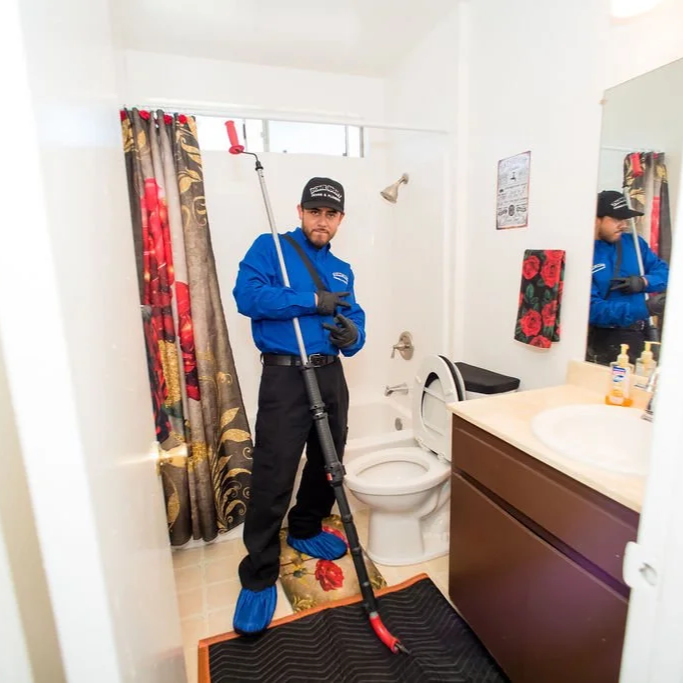
Most people tell themselves it is just condensation, sloppy kids, or a bad cleaning job. Weeks later, they are dealing with warped flooring, mysterious smells, and rising water bills that make no sense.
You walk into your bathroom half asleep, step down, and your sock hits a cold, damp patch right by the toilet. Again. You already wiped it up yesterday, and now it is back, making you wonder if your house is quietly rotting under your feet.
If you live anywhere in Chula Vista or the wider San Diego, CA area, this is one of the most common complaints I hear when homeowners call about toilet repair. A toilet leaking around the base feels small at first. It looks like a few drops. It feels manageable. Most people tell themselves it is just condensation, sloppy kids, or a bad cleaning job. Weeks later, they are dealing with warped flooring, mysterious smells, and rising water bills that make no sense.
That “Small Puddle” By The Toilet Is Usually Not Small
One of the biggest mistakes homeowners make is assuming that water around the toilet base is harmless. People see a little moisture and think it is coming from the tank, sweating, or from someone missing the bowl. That assumption keeps problems hidden for months.
In real homes, especially older ones in Chula Vista and coastal parts of San Diego, that water often comes from under the toilet. When water leaks from the base, wastewater escapes each time someone flushes. It seeps under tile, into grout lines, and down into the subfloor. You do not see most of it. You only see the part that manages to creep back up. By the time it becomes obvious, the damage has already spread.
Homeowners often tell me, “It only leaks when someone uses it.” That detail matters. Toilets are designed to seal tightly to the drain pipe with a wax ring. When that seal fails, every flush pushes water out sideways instead of straight down. Over time, that water softens plywood, loosens tiles, and creates the perfect environment for mold. What started as a minor annoyance becomes a renovation problem. That is when frustration really sets in, because now the fix is no longer a simple toilet repair. It involves flooring, subfloor work, and sometimes even ceiling damage below.
“Why Is My Toilet Leaking At The Base When I Flush?”
That exact question shows up in search bars every day, and for good reason. A toilet that leaks only when flushed is almost always telling you that something is wrong with the seal or the way the toilet is sitting.
The most common culprit is a worn-out wax ring. The wax ring sits between the toilet and the drain flange. Its only job is to create a watertight, airtight seal. Over time, wax dries out, cracks, or gets compressed. In some homes, small earthquakes, settling soil, or even heavy use can shift the toilet just enough to break that seal. Once that happens, every flush sends water into places it does not belong.
Another overlooked issue is an uneven floor or loose mounting bolts. Many bathrooms in Chula Vista were built decades ago. Floors settle. Tiles shift. Sometimes, a toilet was never installed perfectly in the first place. When the toilet rocks slightly, even by a few millimeters, the wax ring cannot do its job. Homeowners often notice a slight wobble but ignore it. They push it with their foot and think, “It’s fine.” It is not fine. That movement grinds down the seal little by little until it fails.
People also try quick fixes that make things worse. Caulking around the base is a big one. It looks neat. It hides the water. It gives a false sense of security. But caulk does not fix leaks. It traps moisture underneath the toilet. Instead of seeing the problem, you end up sealing it in, letting rot and bacteria grow quietly out of sight.
The Wax Ring Myth And Other Costly Shortcuts
There is a long-standing belief that replacing a wax ring is a simple DIY job that anyone can do in an afternoon. Sometimes that is true. Often, it is not.
Pulling a toilet is heavy, awkward work. It is easy to damage the flange, misalign the new ring, or reinstall the toilet crooked. I have seen plenty of homes where someone replaced the wax ring three times and still had leaks. Not because they were careless, but because the underlying problem was never addressed. The flange was cracked. The floor was uneven. The drain pipe was slightly out of level. No wax ring can compensate for that.
Another shortcut is buying the cheapest replacement parts available. Hardware stores are full of low-cost wax rings, foam rings, and “universal” kits. Some of them work fine in ideal conditions. Many do not hold up well in real homes with settling foundations and daily use. A low-quality seal might last six months before compressing and leaking again. Then you are right back where you started, frustrated and wondering why toilet repair never seems to stick.
Outdated assumptions also play a role. Years ago, bathrooms were simpler. Flanges were often installed higher. Floors were flatter. Today, many remodels involve layers of tile, underlayment, and leveling compounds. If the flange ends up too low, the wax ring gets over-compressed. If it is too high, the toilet never sits properly. Homeowners rarely know to check this. They assume a new ring will solve everything. When it does not, they blame the toilet instead of the installation.
How Leaks Quietly Destroy Floors In Coastal Homes
Living near the coast has its perks, but it also creates unique plumbing challenges. Moist air, salty conditions, and shifting soil all affect how bathrooms age in Chula Vista and across San Diego County.
When water leaks under a toilet, it mixes with humidity, slowing the drying. Floors stay damp longer. Wood swells more easily. Metal parts corrode faster. Over time, the subfloor can become soft without showing any obvious surface damage. Homeowners sometimes notice tiles cracking or grout crumbling and assume it is normal aging. In many cases, it is moisture damage from below.
I have walked into homes where the bathroom looked fine at first glance. Clean tile. Solid toilet. No obvious stains. Then we pulled the toilet and found blackened plywood, rusted screws, and a flange barely holding together. The homeowner had been stepping over that hidden damage every day, completely unaware. That is one of the hardest moments. People realize they were living with a problem for years without knowing it.
Leaks also affect air quality. Wastewater contains bacteria and gases that should stay inside pipes. When seals fail, those odors seep into the bathroom. Many homeowners describe a “musty” or “sewer-ish” smell that comes and goes. They clean more. They buy air fresheners. They never connect it to the toilet base. Meanwhile, moisture and bacteria continue to build underneath.
“Do I Really Need A Plumber For A Leaking Toilet Base?”
This is another question people type late at night when they are tired of mopping the floor. The honest answer is: sometimes you can handle it yourself, and sometimes you really should not.
If the toilet is stable, the flange is intact, and the floor is solid, a proper wax ring replacement might solve the issue. But most homeowners cannot see those conditions without removing the toilet. And once the toilet is off, many people realize they are in deeper than expected. Cracked flanges, rotted subfloors, and uneven surfaces are common discoveries.
Professional toilet repair is not just about swapping parts. It is about evaluating the entire connection between the toilet and the drain system. At Done Right Drains and Plumbing, we often find multiple small issues that together cause leaks. A slightly low flange. A warped tile. Loose bolts. A misaligned drain. Fixing only one of those rarely solves the problem in the long term.
Timing also matters. During cooler months, condensation issues can mask leaks. During summer, higher water usage puts more stress on seals. Older toilets, especially those over fifteen years old, tend to develop mounting and sealing problems simply from years of use. Waiting rarely makes repairs easier or cheaper. It usually means more damage to undo later.
Why Caulking, Shimming, And “Living With It” Backfires
Many homeowners develop workarounds instead of solutions. They put down mats. They wipe the floor daily. They re-caulk every few months. They tell guests, “Be careful, it leaks sometimes.” Over time, that becomes normal. But it should not be normal.
Caulking hides leaks. Shims without proper sealing create pressure points. Mats trap moisture. All of these tricks make bathrooms look fine while damage continues underneath. Living with a leak also affects daily comfort. People avoid barefoot mornings. They worry about guests noticing smells. They get tired of cleaning the same spot over and over.
There is also the mental load. Small home problems drain energy. A leaking toilet base becomes one more thing on your list that never gets resolved. It creates background stress. Homeowners rarely talk about that part, but it is real. Fixing the issue properly removes that constant irritation and restores trust in your own home.
“Why Does My Toilet Rock Slightly And Leak?”
A rocking toilet is never harmless. Even slight movement breaks seals over time. People often think tightening the bolts will solve it. Sometimes it helps briefly. Often, it cracks porcelain or damages the flange.
Rocking usually indicates an uneven floor or an incorrect flange height. In remodeled bathrooms, changes in tile thickness can throw off original measurements. Installers sometimes skip proper leveling to save time. Years later, homeowners pay the price.
Correcting a rocking toilet involves leveling, proper shimming, secure mounting, and a correctly sized seal. All of these steps work together. Skipping one leads to repeated leaks. That is why some homes go through multiple “repairs” without ever getting real results.
Done Right Drains & Plumbing provides a complete, one-stop solution for professional plumbing services in Chula Vista, CA, including drain cleaning & clog removal, sewer line services, pipe repair, replacement, & repiping, and leak detection & repair. Our expert plumbers service residential plumbing systems with a focus on efficiency, reliability, and long-term performance. Whether you need urgent pipe repair or a full system repipe, we provide fast response times and honest, upfront estimates. Schedule your plumbing service today and get dependable results that last.
