
What a Whole-Home Repipe Actually Solves
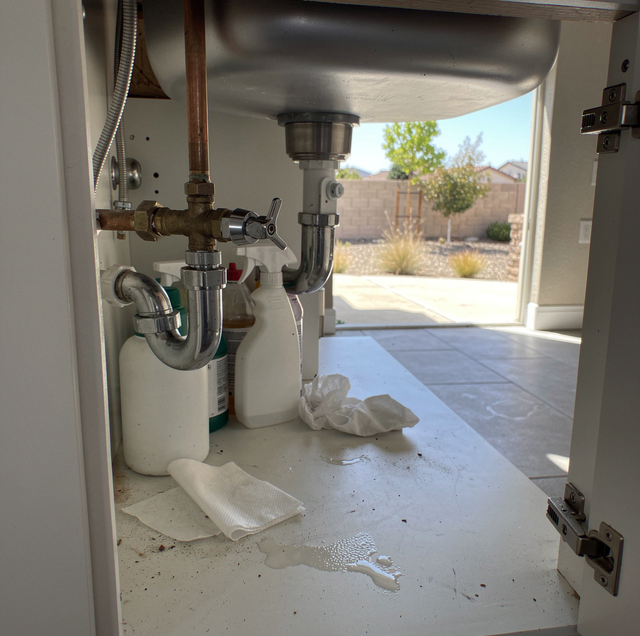
A whole-home repipe is one of the bigger plumbing decisions a homeowner can make, and it's also one of the most misunderstood. Some people picture it as an overreaction to a single leak. Others assume it fixes problems it was never meant to touch. Neither is quite right. A repipe replaces the supply lines that carry water into and through your home, and it solves a specific set of problems tied to pipe condition itself: pipe that's corroding from the inside, scaling up until it can barely pass water, or developing pinhole failures faster than any one patch can keep pace with. Once you understand what's actually happening inside old supply pipe, it gets a lot easier to tell whether your house needs a repipe or needs one more targeted repair.
What a Whole-Home Repipe Actually Replaces
A repipe replaces the supply piping that delivers water to your fixtures, meaning everything from where water enters your house to the shutoff valves under each sink, behind each toilet, and at your water heater. Depending on what your home currently has, the piping is replaced with modern copper or PEX, both of which resist corrosion and scaling that cause most of the failures a repipe is meant to prevent.
What a repipe doesn't touch is your drain, waste, and vent system, the pipes carrying used water and waste away from fixtures and out to the sewer line. Supply and drain piping are separate systems built from different materials and failing for different reasons, so a repipe addresses only the half of your plumbing that brings water in.
Recurring Pinhole Leaks Are the Clearest Signal
Pinhole leaks form when the interior surface of a pipe corrodes until it's thin enough for pressurized water to force its way through a tiny opening. One pinhole leak is a repair. Two or three within a year or two, especially in a pipe of similar age and material, is evidence that corrosion is working through the whole system at roughly the same rate. If a leak shows up in the kitchen wall this spring and another turns up in the laundry room by fall, that pattern is the pipe telling you the rest of it isn't far behind.
This is where a repipe earns its cost compared to ongoing patch repairs. Fixing one pinhole leak means opening a wall, cutting out the failed section, and rejoining the new pipe. Doing that three or four times over a couple of years means three or four rounds of drywall repair, three or four service calls, and a pipe that's still corroding everywhere you haven't opened up yet. A repipe addresses the corrosion at its source instead of chasing it one failure at a time.
Chronic Low Pressure From Corroded or Scaled Pipe
Pipe that's corroding on the inside doesn't just develop pinholes. Corrosion buildup and mineral scale both narrow the interior diameter of a pipe, and a narrower channel simply can't move as much water through it. If your pressure has been dropping gradually over several years rather than dropping suddenly, and it's affecting most fixtures in the house rather than just one, a restricted pipe is one of the more common explanations.
It's worth ruling out the simpler causes first. A single fixture with weak flow is usually a clogged aerator or a failing cartridge, not a pipe problem, and a pressure-reducing valve set too low can mimic the same symptom house-wide. But when multiple fixtures across different parts of the house have all lost pressure gradually, and none of the easy fixes changed anything, the restriction is likely inside the pipe walls themselves, and cleaning or patching a section won't restore flow through pipe that's narrowed all the way along its length.
Discolored or Metallic-Tasting Water
Rust-colored or brownish water, especially right when you turn a tap on after the water has sat for a few hours, points to corrosion products breaking loose inside the pipe and mixing into your water supply. A metallic taste or smell often accompanies it, since the same corrosion that discolors water also changes how it tastes. Both are signs that the interior pipe surface has broken down enough to start shedding material into the water itself, not just narrowing the passage or springing pinhole leaks.
This symptom tends to show up gradually and get more consistent over time rather than appearing once and going away. Water heaters can also produce a similar rust tint from sediment inside the tank, so it's worth checking whether the discoloration shows up on both hot and cold taps or only the hot side. Discoloration on both sides points toward the supply pipe itself rather than the tank.
When Patch-Repair Fatigue Sets In
Every plumbing system needs an occasional repair, and that alone doesn't mean a repipe is warranted. What changes the calculation is frequency. If you've called for the same type of pipe repair two or three times in the past year or two, and each repair addresses one section while the rest of the system stays the same age with the same underlying wear, you're spending money to delay a replacement that's coming either way.
There's also a cost that doesn't show up on any invoice: the wall repairs, the flooring damage from leaks that ran before they were caught, and the disruption of another emergency call at an inconvenient time. Homeowners who've been through several rounds of patch repairs often describe reaching a point where they stop asking "can this be fixed" and start asking "how many more of these am I going to deal with." That shift in the question is usually a signal that a full-pipe replacement, rather than another round of spot repairs, is the more sensible path forward.
What a Whole-Home Repipe Does Not Fix
A repipe is a supply-line fix, and it's worth being clear about what falls outside that scope so expectations line up with what the work actually delivers.
Drain and sewer problems: Slow drains, recurring clogs, and sewer line backups stem from a separate pipe system that carries wastewater out of the house. A repipe won't clear a clogged drain line or repair a cracked sewer pipe, since those run on separate piping that a supply repipe doesn't touch.
Fixture and appliance issues: A leaking faucet cartridge, a running toilet, or a water heater nearing the end of its service life are their own separate repairs. A new supply pipe feeding an old, worn fixture still leaves you with a worn fixture.
Water pressure set too high or too low at the regulator: If your home's pressure-reducing valve is miscalibrated, or if municipal supply pressure itself runs high or low, new pipe won't change what's coming into the house before it even reaches your plumbing. That's a separate adjustment or component.
Hard water and scale buildup going forward: New pipe removes the scale and corrosion that has already accumulated over years, but it doesn't change the mineral content of your water supply. Without some form of water treatment, hard water can still leave deposits in the new lines over time, starting from a clean slate rather than decades of buildup.
Knowing this upfront matters because a repipe solves the pipe itself. If your low pressure turns out to be a faulty regulator rather than a corroded pipe, or your discolored water turns out to be sediment in an aging water heater tank, a repipe won't address the actual cause, and it's worth confirming which one you're dealing with before committing to the larger project.
How to Tell a Repipe Is the Right Call
A few patterns, taken together, tend to separate a house that actually needs a repipe from one that just needs its next repair handled.
- Multiple pinhole leaks in different locations within a couple of years, rather than one isolated failure.
- Pipe made of galvanized steel or another material known for degrading over its service life, especially once it's decades old.
- Pressure loss affecting most or all fixtures, after simpler causes like a clogged aerator or a misconfigured regulator have been ruled out.
- Water discoloration on both hot and cold taps, pointing to the supply pipe rather than a single fixture or the water heater tank.
- A repair history that keeps repeating, where the same category of problem shows up again every several months despite prior fixes.
A single item from that list usually means you need a targeted repair and a plan to keep an eye on things. Two or three together, especially spread across different parts of the house, is a much stronger case that the pipe itself has reached the end of its useful life and that further patching is only delaying the same outcome while adding its own cost along the way.
What to Expect During a Whole-Home Repipe
A repipe is a bigger project than a single repair, but it's also more contained than most homeowners expect going in. Work typically happens section by section, with small openings made in walls or ceilings to reach existing pipe runs, new supply lines installed in their place, and those openings patched afterward. Water gets shut off only for the portions of the house actively being worked on, and most homes can still use at least some fixtures during parts of the project.
The finished result is a supply system built from materials chosen specifically to resist the corrosion and scaling that caused the original problems, which is the whole point of doing the larger project rather than continuing to patch pipe that's failing throughout the house. From there, the fixtures, the drain system, and the water heater all keep operating exactly as they did before. Only the pipe carrying water into your home changes.
Frequently Asked Questions
Look at the pattern rather than the single event. One leak in a pipe that's otherwise in reasonable shape is usually isolated. A leak followed by another one within a year or two, especially in pipe of similar age and material, points to corrosion that's active throughout the system rather than a one-time failure.
Only when the cause is a corroded or scaled supply pipe narrowing the flow. If the real cause is a clogged aerator, a failing cartridge, or a pressure-reducing valve set too low, a repipe won't change any of those, since none of them involve the pipe itself.
No. Drain and supply piping are separate systems. A repipe replaces the lines that bring water in, not the pipes that carry wastewater out, so recurring clogs or slow drains need to be addressed separately.
Yes. Sediment inside an aging water heater tank can also produce rust-colored water, usually limited to the hot tap. Discoloration showing up on both hot and cold taps points more toward the supply pipe itself rather than the tank.
There's no fixed number, but a pattern of two or three similar repairs within a year or two, especially with the underlying pipe staying the same age throughout, usually means the cost and disruption of repeated patching has caught up with, or passed, what a full replacement would involve.
It removes years of existing scale and corrosion by replacing the pipe outright, giving you a clean starting point. It doesn't change the mineral content of your water supply going forward, so without added water treatment, new pipe can still develop scale over time, just starting from zero instead of decades of accumulation.
Schedule a whole-home repipe assessment — find out whether your recurring leaks and pressure loss trace back to a failing supply pipe or a simpler fix. Done Right Drains and Plumbing serves Chula Vista, San Diego, and National City. Call (619) 737-3274.
