
Why Flushing the Toilet Makes Your Kitchen Sink Gurgle
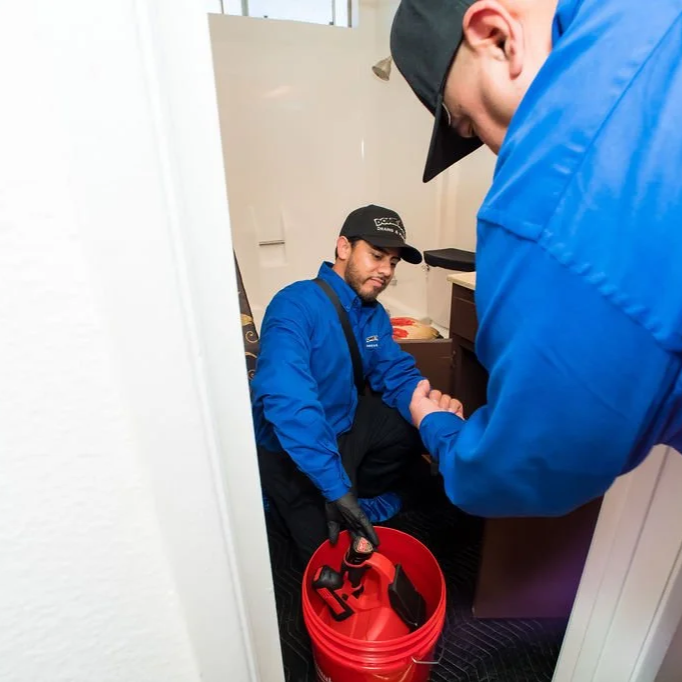
I have walked into hundreds of homes where people say, “It has been doing that for years,” right before I show them a much bigger problem hiding underground.
You flush the toilet, walk into the kitchen, and suddenly the sink starts talking back. That hollow gurgling noise feels like your house is mocking you, right when you are trying to make coffee or wash a plate.
Most homeowners ignore it at first, hoping it is “just air in the pipes” or something that will go away on its own. Then the backups start. The slow drains show up. The smells creep in. Bills go up. Daily routines get interrupted. What starts as a weird noise becomes a constant, low-level frustration that follows you from bathroom to kitchen and back again. I have walked into hundreds of homes where people say, “It has been doing that for years,” right before I show them a much bigger problem hiding underground.
Why Does My Sink Gurgle When I Flush The Toilet?
This is one of the most common questions I hear, and it usually comes from someone standing in their kitchen, arms crossed, staring at the drain like it personally betrayed them. The short answer is that your plumbing system is struggling to breathe. Every time you flush a toilet, a large volume of water moves quickly through the drain system. That movement needs air to balance pressure. When air cannot move freely, it gets pulled through nearby fixtures instead. That is the gurgling sound. It is air being sucked through your kitchen sink trap because it cannot move freely.
Homeowners often assume this is just “old house noise” or “pipes settling.” That misunderstanding matters because it delays real investigation. Over time, restricted airflow and slow drainage usually point to partial blockages, sagging lines, or deeper sewer issues. The system starts compensating in ways it was never designed to. Pressure builds. Waste slows down. Solids settle. Grease sticks. Eventually, the gurgling turns into standing water, sewage odors, or a full backup that shuts down half the house. What started as a noise becomes lost time, ruined flooring, and a very uncomfortable conversation with a plumber.
In many homes, the real problem is not in the kitchen or bathroom at all. It lives in the main drain or sewer line. Tree roots, shifted soil, collapsed sections, or years of buildup can narrow the pathway. Water still moves through, but not cleanly. Air gets trapped. Pressure gets uneven. The system tries to rebalance itself through the nearest open fixture. That is usually your sink, tub, or shower. Without something like a proper sewer line inspection, you are guessing. Guessing leads to temporary fixes that fail six months later.
The Big Mistake: “It Still Drains, So It Must Be Fine”
One of the most damaging assumptions homeowners make is that slow or noisy drains are acceptable as long as water eventually disappears. I hear it all the time. “It goes down if you wait.” “It only backs up once in a while.” “It has always done that.” Those phrases usually come right before I find serious restrictions in the line. Plumbing is designed to move waste quickly and smoothly. When it stops doing that, something is wrong. Functioning poorly is not functioning normally.
This belief sticks around because problems develop slowly. A little grease from dishes. A little hair from showers. Some soap residue. Maybe roots are creeping in from the yard. Nothing dramatic happens at first. The system adapts. Flow slows. Air movement changes. Gurgling becomes normal background noise. Homeowners get used to it, the same way people get used to a rattling car. Then one day, the system reaches a tipping point. A big load of laundry, guests visiting, or heavy rain pushes it past capacity. Suddenly, water comes up instead of down.
From a long-term perspective, this “wait and see” mindset costs more than early investigation ever does. Partial blockages are easier to clear. Small root intrusions are easier to manage. Minor pipe misalignments are simpler to correct. When ignored, they turn into collapsed lines, sewage damage, and major excavation. I have seen homeowners lose entire weekends cleaning up messes that could have been prevented with earlier attention. The frustration is not just financial. It is emotional. Nobody likes feeling blindsided by a problem that was quietly warning them for years.
In professional plumbing work, we rely on tools like sewer line inspection to see what is actually happening underground. Cameras show buildup patterns, breaks, bellies, and intrusions that no amount of guessing can reveal. Without that information, homeowners often waste money on drain cleaners, repeated snaking, or surface-level repairs that never touch the real cause.
Vent Pipes, Airflow, And Why Your House Needs To Breathe
A lot of people have never heard of vent pipes until something goes wrong. These pipes run through your walls and out of your roof. Their job is to let air into the drain system so water can flow properly. When they work, you never notice them. When they fail, your house starts making strange noises and behaving badly. Gurgling is one of the first signs that airflow is restricted somewhere.
Homeowners often misunderstand vents because they are hidden. Out of sight becomes out of mind. Birds build nests. Leaves collect. Ice forms in winter. Construction debris falls in during renovations. Even small blockages can reduce airflow enough to cause pressure problems. When a toilet flushes, it creates suction. If fresh air cannot enter through the vent, it pulls air through nearby traps instead. That breaks the water seal that prevents sewer gas from entering. Now you get noise and smells.
Over time, poor venting affects more than comfort. Traps dry out faster. Odors become more common. Drains slow down. Fixtures wear out from pressure fluctuations. The system works harder than it should. Many homeowners think they need new fixtures when the real issue is ventilation. Replacing a sink or toilet without fixing the airflow is like changing tires on a car with a bent axle. The underlying problem stays.
Seasonal changes make this worse. In colder months, vent pipes can partially freeze. In spring, debris washes in. In the fall, leaves accumulate. Older homes are especially vulnerable because vent layouts were not designed for modern water usage. More appliances, more bathrooms, and higher flow rates stress systems that were never upgraded. A proper evaluation looks at venting, drainage, and the main line together, not as isolated parts.
Cheap Fixes, Quick Snakes, And Why They Rarely Last
When drains start acting up, most homeowners try the fastest solution first. Store-bought cleaners. A cheap hand snake. A quick service call for a basic clearing. Sometimes these help. Temporarily. They punch a small hole through soft buildup and restore limited flow. The gurgling quiets down. Everyone feels relieved. Then three months later, it comes back. Often worse.
The problem with surface-level clearing is that it treats symptoms rather than the structure. Grease coats pipe walls. Roots grow back. Sludge settles again. Bellies hold standing water. A quick snake cannot reshape pipes or remove years of accumulation. It creates a narrow channel through a larger mess. Water uses that channel until it collapses. Then pressure problems return.
I have walked into homes where owners paid for repeated cleanings for years. Each visit fixed things “for now.” Nobody stopped to ask why the problem kept coming back. Eventually, they paid more in temporary fixes than a proper diagnostic and repair would have cost in the first place. That cycle creates mistrust and burnout. People start feeling like plumbing is a bottomless pit.
A thorough sewer line inspection changes that dynamic. Instead of guessing, you see the condition of the system. You learn whether buildup, roots, misalignment, or collapse is responsible. From there, solutions make sense. Sometimes it is hydro jetting. Sometimes lining. Sometimes spot repair. Sometimes replacement. Not every problem needs major work, but every recurring problem needs real information.
How Gurgling Turns Into Rising Bills And Daily Headaches
Most homeowners connect plumbing problems with messes, not money. But noisy, restricted systems quietly drive up costs. Water takes longer to drain. Appliances work harder. Pumps cycle more. Small leaks develop under stress. Traps dry out, allowing sewer gas to enter living spaces. All of that adds up over time. Utility bills creep higher. Maintenance becomes frequent. Comfort drops.
Daily inconveniences are the first things people feel. You run the dishwasher, and the sink fills. You shower and the toilet bubbles. You hear strange noises at night. You start planning chores around drains. That constant adjustment wears people down. Homes should support routines, not fight them. When plumbing becomes unpredictable, it affects how people use their own space.
From a long-term property perspective, unresolved drainage issues hurt resale value. Inspectors flag slow drains and sewer concerns. Buyers get nervous. Negotiations stall. Repairs become urgent instead of planned. I have seen sellers scramble to fix problems under deadline pressure, paying more than they would have years earlier.
At Done Right Drains and Plumbing, we see this pattern repeatedly. Homeowners live with small annoyances until they become unavoidable. By the time someone calls in frustration, the system has often been struggling for a long time. Addressing airflow, drainage, and line condition together is what restores reliability. Not perfection. Reliability. That is what most homeowners actually want.
Done Right Drains & Plumbing offers a reliable, all-in-one solution for professional plumbing services, including water heater services, bathroom, kitchen & laundry plumbing, general plumbing, inspection & gas lines, and hydro jetting in Chula Vista, CA. Our experienced team services residential plumbing systems with a focus on efficiency, safety, and long-term performance. Whether you need urgent water heater repair or a full system upgrade, we provide clear communication and upfront pricing you can trust. Schedule your plumbing service today and get dependable results before small issues turn into costly repairs.
