
Why Free Plumbing Estimates Blow Up Your Bathroom Budget
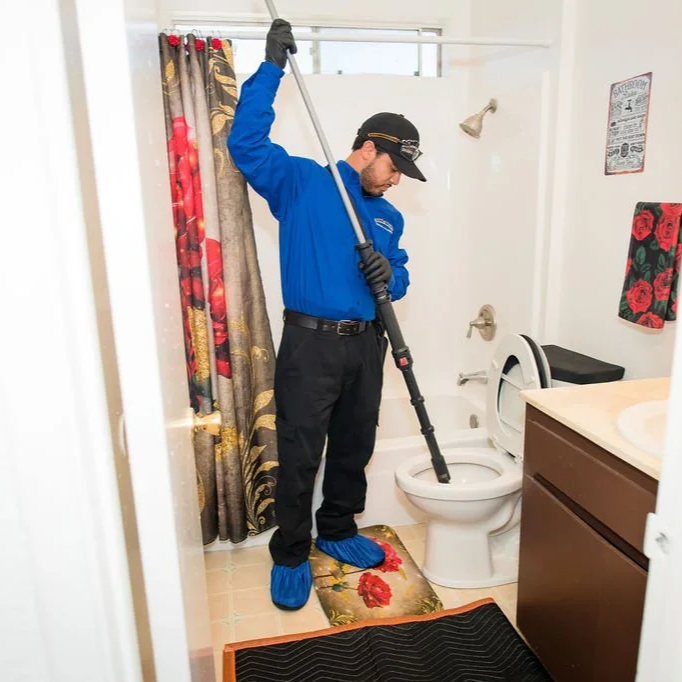
Free plumbing estimates sound comforting, but when they are misunderstood, delayed, or rushed, they often lead to wasted time, rising bills, and daily frustration that drags on for months.
You were told it would be free, simple, and quick, yet your bathroom repair somehow costs more than your kitchen fridge. One minute, someone is standing in your doorway saying, “Looks easy,” and the next minute, you are staring at a bill that feels like punishment for even asking.
If you have ever stood in socks on a cold tile floor, listening to a drip echo through the house while wondering how a “free estimate” turned into a financial headache, you are not alone. Homeowners run into this situation every week, especially when plumbing problems hide behind walls, under slabs, or inside aging pipes. Free plumbing estimates sound comforting, but when they are misunderstood, delayed, or rushed, they often lead to wasted time, rising bills, and daily frustration that drags on for months.
Why Are Free Plumbing Estimates So Different From Each Other?
“Why are free plumbing estimates so different from each other?” is one of the most common things homeowners type into search bars after calling two or three companies and hearing wildly different numbers. One plumber says a few hundred dollars. Another says a few thousand. A third refuses to give anything without opening a wall. From the outside, it looks sloppy or dishonest. From inside the trade, it usually means the inspections were completely different.
Many “free” estimates are based on surface-level observations. A technician looks under one sink, runs a faucet, flushes a toilet, and gives a ballpark price based on experience. That kind of estimate depends heavily on what is visible. If corrosion is hidden inside a wall, if a drain line is partially collapsed, or if water pressure is stressing older fittings, none of that shows up in five minutes. The result is a low number that feels good in the moment but terrible later, when the real problem shows itself.
A more thorough free plumbing estimate takes time. It may involve camera inspections, pressure checks, crawl space access, or tracing lines through multiple rooms. Homeowners often do not notice that work is underway, so they assume nothing has changed. In reality, one company may be guessing while another is diagnosing. Guessing keeps the estimate low. Diagnosing prevents surprises from popping up halfway through the job, when your bathroom is already torn apart, and you feel stuck.
The Biggest Mistake: Treating A Free Estimate Like A Final Price
One of the most damaging assumptions homeowners make is that a free plumbing estimate is a locked-in contract. It feels reasonable. Someone comes to your house, looks at the problem, writes down a number, and says they can do it. Most people think that number is solid. When it changes later, frustration kicks in fast.
Plumbing systems are layered, buried, and interconnected. A leak under a vanity might be traced to a failing joint in the wall. A slow drain in the shower may be connected to a damaged main line under the slab. During an initial visit, no one can see everything without invasive testing. So the estimate reflects what is known at that moment, not what will be discovered later. When homeowners treat it as final, every additional cost feels like a betrayal rather than a correction.
“Do plumbers charge after a free estimate?” is another common search phrase that comes from this misunderstanding. The estimate itself may be free. The additional labor, equipment, and materials required once the real issue is exposed are not. When walls are opened, pipes are removed, or roots are found in sewer lines, the scope changes. Companies like Done Right Drains and Plumbing see this pattern constantly. The job evolves, and so does the price. The pain comes when no one explains upfront that “free” does not mean “unchangeable.”
What A Real Inspection Looks Like Versus A Five-Minute Peek
“Why is my plumbing quote so high after a free estimate?” is usually from homeowners who received only a quick visual check. A five-minute peek feels convenient. No mess. No noise. No crawling under the house. No tools pulled out. It also delivers the least reliable information possible.
A real inspection looks very different. It might involve running cameras through drain lines to look for cracks, bellies, or root intrusion. It may require pressure testing supply lines to detect slow leaks that only appear under stress. It can include checking venting systems, inspecting shutoff valves, and tracing water heaters back to supply points. None of this is flashy. Much of it happens out of sight. But it builds an accurate picture of what is actually going on.
Homeowners sometimes resist this deeper inspection because it feels unnecessary when “it’s just a drip” or “it’s only backing up sometimes.” Over time, those small issues compound. A tiny leak rots cabinetry. A partial clog becomes a full backup. A loose-fitting fails at midnight. When the deeper inspection finally happens after damage appears, the price reflects months or years of neglect. The estimate did not grow. The problem did.
Cheap Now, Expensive Later: The Shortcut Trap
Every trade has shortcuts. Plumbing is no exception. Some companies base free plumbing estimates on best-case scenarios. They assume pipes will come apart cleanly. They assume fittings are standard. They assume nothing breaks when touched. That keeps numbers low and phones ringing. It also sets homeowners up for disappointment.
One common shortcut is ignoring old materials. Galvanized steel, polybutylene, and early PVC systems behave differently from modern plumbing. Threads crumble. Pipes split. Joints seize. When an estimate treats a 50-year-old system as if it were brand new, failure is almost guaranteed. Another shortcut is skipping access planning. If no one considers how to reach a pipe behind tile or under concrete, demolition costs appear later with no warning.
Homeowners often choose the lowest estimate because rising bills already hurt. Groceries cost more. Utilities cost more. Repairs feel endless. Saving a few hundred dollars upfront feels like relief. Months later, when multiple visits, repeat repairs, and water damage pile up, that “cheap” choice becomes the most expensive option. The frustration is not just financial. It is living through repeated disruptions in your own home.
Timing, Aging Pipes, And Why Prices Shift After Winter
Plumbing does not exist in a vacuum. Weather, seasons, and system age all influence the estimate. After winter freezes, small cracks open in supply lines. After heavy rain seasons, sewer systems shift. During summer heat, pressure fluctuations stress weak joints. A free plumbing estimate given in mild conditions may no longer match reality three months later.
Aging systems add another layer. Pipes slowly thin. Valves stiffen. Seals dry out. None of that creates dramatic symptoms at first. Homeowners get used to minor annoyances like slow drains, rattling pipes, or lukewarm water. Those seem livable. Over time, they weaken the system. When a major repair finally becomes unavoidable, the estimate reflects years of quiet deterioration.
Timing also affects availability. During peak seasons, companies are booked solid. Emergency work takes priority. Material costs fluctuate. All of that influences pricing. When homeowners delay because “it’s not that bad yet,” they often end up paying more later, not because anyone is punishing them, but because conditions changed while the problem grew.
What Homeowners Should Actually Expect From Free Plumbing Estimates
A realistic free plumbing estimate should feel like a conversation, not a performance. The technician should explain what they can see, what they cannot see, and what might change once work begins. They should discuss best- and worst-case scenarios in plain language. No mystery. No vague promises. No rushed exit.
Homeowners should expect questions. When did the issue start? Has it happened before? Has any work been done recently? Are there older sections of piping in the home? These details matter. They help narrow down causes and prevent guesswork. When no questions are asked, the estimate is shallow.
You should also expect boundaries. A responsible plumber will tell you when something cannot be priced precisely without further inspection. That honesty protects both sides. It prevents resentment later when additional work becomes necessary. It also builds trust, which matters far more than a low number scribbled on a clipboard.
Done Right Drains & Plumbing offers a reliable, all-in-one solution for professional plumbing services, including water heater services, bathroom, kitchen & laundry plumbing, general plumbing, inspection & gas lines, and hydro jetting in Chula Vista, CA. Our experienced team services residential plumbing systems with a focus on efficiency, safety, and long-term performance. Whether you need urgent water heater repair or a full system upgrade, we provide clear communication and upfront pricing you can trust. Schedule your plumbing service today and get dependable results before small issues turn into costly repairs.
