
Why Your Kitchen Sink Keeps Backing Up in Chula Vista, CA, Homes
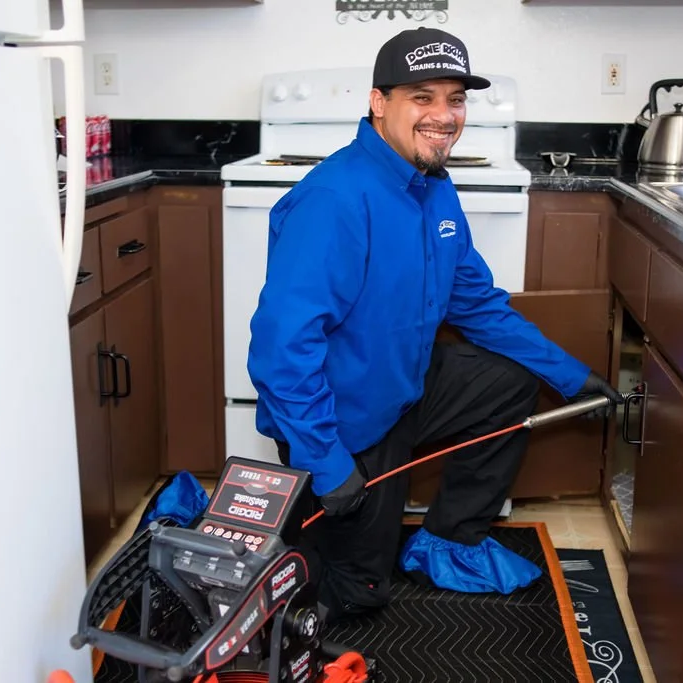
Grease buildup does not usually announce itself with a dramatic flood. It creeps in quietly, one meal at a time, until daily life starts getting harder than it should.
You dump a little grease, run some hot water, and somehow your sink still smells like a diner dumpster and drains like molasses. Now you are standing in your kitchen at night, staring at cloudy water and wondering how something so small turned into another annoying home problem.
If that scene feels familiar, you are not alone. I hear versions of it every week from homeowners around Chula Vista, CA, and throughout San Diego. Grease buildup does not usually announce itself with a dramatic flood. It creeps in quietly, one meal at a time, until daily life starts getting harder than it should.
The Slow, Sticky Problem Hiding in Your Pipes
Most people think grease disappears once it goes down the drain. It looks like liquid when it is hot, so it feels harmless. Bacon fat, cooking oil, butter, pan drippings, and even salad dressing all slide away, seemingly gone forever. Out of sight, out of mind. That assumption is where the trouble starts.
Inside your plumbing, that grease cools down fast. Pipes under your sink and behind your walls stay much cooler than your stovetop. When grease hits those surfaces, it thickens and sticks. Over time, it coats the inside of the pipe like wax inside a candle mold. Food scraps, coffee grounds, soap residue, and hair cling to it. Each week, the opening gets a little smaller. Drainage slows down so gradually that most homeowners adjust without realizing it.
Months later, the sink that “used to drain fine” suddenly backs up while you are washing dishes before guests arrive. The dishwasher starts leaving standing water. The garbage disposal smells sour no matter how many lemon peels you grind. That is not bad luck. That is years of grease buildup finally reaching a breaking point
“I Only Pour a Little Down the Sink” and Other Costly Beliefs
One of the biggest homeowner mistakes I hear is: “I barely put any grease down there.” That may feel true at the moment. A spoonful here. A small pan there. A little oily soup down the drain. None of it seems worth worrying about.
The problem is accumulation. Plumbing systems are not designed to flush fat. They are designed for water and waste that stays mostly liquid. Even small amounts of grease add up when they harden layer by layer. Think of it like cholesterol in arteries. One greasy meal does not cause a heart attack. Years of buildup do.
Another outdated belief is that hot water solves everything. People run the tap as hot as possible and think they are melting the problem away. Hot water might push grease a few feet farther down the line, but it does not remove it. Once that water cools, the grease solidifies again. Now the clog is deeper and harder to reach.
Dish soap gets misunderstood, too. Yes, soap breaks down grease on plates. No, it does not magically protect your pipes. Soap helps grease travel temporarily. It does not stop it from re-forming later. Over time, soap residue can even combine with grease, creating a thicker buildup.
Why Grease Buildup Removal Is Not as Simple as Store-Bought Cleaners
When drains slow down, many people reach for chemical cleaners. They promise fast results and easy fixes. Pour it in. Wait fifteen minutes. Problem solved. Sometimes it even seems to work, at least for a while.
Here is what usually happens. Chemical cleaners burn a narrow channel through the middle of the grease mass. Water starts flowing again, so it feels fixed. But the thick coating on the pipe walls stays in place. The opening is still restricted. Within weeks or months, debris builds up again and the clog returns.
Worse, repeated chemical use can damage your plumbing. Older metal pipes corrode faster. Plastic pipes weaken at joints. Seals dry out. Homeowners trade a simple grease blockage for leaking pipes and cabinet damage because of overuse.
Proper grease buildup removal focuses on clearing the entire pipe diameter, not just punching a hole through it. That usually involves professional snaking, hydrojetting, or targeted cleaning, depending on the pipe condition and layout. The goal is to restore flow, not temporarily relieve pressure.
Homeowners often misunderstand this because chemical cleaners feel proactive. You are doing something. You are trying. Unfortunately, that “something” often makes the long-term problem worse. Real removal takes more effort, but it prevents repeat frustration.
“Why Does My Kitchen Sink Smell Even When It Drains?”
People notice the smell before they notice the clog. The drain works, but the kitchen never quite smells clean. No amount of air freshener fixes it.
That odor usually comes from decomposing food trapped in grease. The grease layer acts like glue. Tiny food particles get stuck and stay wet. Bacteria thrive there. Over time, they release sulfur-like gases that smell like rotten eggs, old fry oil, or sour garbage.
Many homeowners assume the garbage disposal is the issue. They clean it. They use tablets. They scrub the splash guard. The smell stays. That is because the source is not the disposal. It is the pipe below it.
Ignoring these smells means accepting constant low-level discomfort in your own home. It means opening windows when guests come over. It means feeling embarrassed when someone asks, “What’s that smell?”
When grease buildup gets properly removed, those odors usually disappear quickly. Fresh water can flush the system again. Bacteria lose their hiding places. The kitchen feels normal again instead of slightly unpleasant all the time.
Shortcuts, Cheap Fixes, and Why They Keep Failing Later
In every neighborhood, there is always a story about “a guy who can cheaply clear drains.” Sometimes it works. Sometimes it does not. Often, it works just long enough to collect payment and disappear.
Quick snaking without full inspection can break through soft clogs but leave hardened grease behind. Partial flushing moves problems deeper into the main lines. DIY pressure tools can push buildup into junctions where multiple drains meet, creating bigger backups later.
Another shortcut is ignoring early warning signs. Slow draining. Occasional gurgling. Bubbles in the sink. These get brushed off as minor. Homeowners wait until water is standing in the basin or backing up onto the floor. By then, cabinets may already be exposed to moisture and mold risk.
Quality grease buildup removal looks at the system as a whole. Where does the kitchen line connect? How old are the pipes? Are there bellies, offsets, or previous repairs? These details matter. Skipping them saves time today and costs money tomorrow.
“Why Does My Drain Keep Clogging After I Just Had It Cleared?”
Another question that shows up constantly is: “Why does my drain keep clogging after I just had it cleared?” Homeowners feel cheated. They paid for the service. They followed instructions. Now the problem is back.
In most cases, the original service treated symptoms rather than causes. The visible blockage was removed, but the grease coating remained. Think of it like cleaning crumbs off a sticky table without wiping the surface. New crumbs stick immediately.
Sometimes, pipe design contributes too. Long horizontal runs, minimal slope, and older materials all make grease accumulation easier. In many homes built decades ago, kitchen lines were not designed for modern cooking habits with heavy oil use.
Timing plays a role as well. Cooler winter temperatures harden grease faster. Summer cooking increases oil disposal. Aging pipes develop rough interiors that trap residue more easily. All of these compounds over time.
If repeated clogs occur, it is a sign that deeper grease buildup needs to be removed. No more chemicals. Not another quick snake. A real cleaning and evaluation is required to reset the system and slow future buildup.
How Everyday Habits Quietly Wreck Kitchen Drains
Most homeowners do not intentionally ruin their plumbing. They do it while trying to clean up efficiently. Pouring leftover soup. Rinsing greasy pans. Washing salad bowls with oily dressing. Dumping fryer oil after it cools “a little.”
Each habit seems harmless. Together, they create chronic buildup.
Even “natural” products contribute. Coconut oil hardens like wax. Butter solidifies quickly. Avocado oil thickens under cooler conditions. Plant-based does not mean pipe-safe.
Another overlooked habit is food disposal. Small scraps seem fine. But when they combine with grease, they become cement. Rice, pasta, and bread swell and stick. Coffee grounds pack tightly. Eggshells add grit.
The long-term effect is reduced pipe capacity. Drains that once handled heavy use start struggling with normal loads. Dishwasher cycles leave residue. Sinks fill during holiday cooking. Stress builds around basic routines.
Changing habits is boring advice, but it works. Wipe pans with paper towels. Pour grease into containers. Use strainers. Trash oil instead of draining it. These small steps protect thousands of dollars in hidden infrastructure.
What Professional Grease Buildup Removal Actually Looks Like
Many homeowners picture dramatic equipment and messy floors. In reality, good drain cleaning is methodical. It starts with understanding where the blockage sits and how extensive it is.
Technicians often use cameras to inspect lines. This shows whether grease coats the entire pipe or only certain sections. It reveals damage, roots, or offsets that might affect cleaning.
Hydro jetting is commonly used for heavy grease. High-pressure water scrubs pipe walls clean. It does not just punch holes. It restores the diameter. When done properly, it can make decades-old pipes perform like newer systems.
Mechanical cleaning tools may be used in fragile pipes where high pressure is risky. The goal remains the same: remove buildup, not relocate it.
After proper grease buildup removal, homeowners usually notice immediate changes. Faster drainage. No smells. Quieter pipes. Fewer backups. More confidence using the kitchen normally again.
It is not about luxury. It is about returning your home to basic functionality without constant worry.
Living With Grease Problems Costs More Than Fixing Them
One of the hardest parts of this work is seeing avoidable damage. Cabinets warped from repeated leaks. Flooring stained by backups. Mold growing behind walls. Electrical outlets are compromised by moisture.
All of that starts with slow drains and ignored smells.
Rising water bills can also be a side effect. Running taps longer to “help” drains. Rewashing dishes. Re-running dishwashers. Wasted water adds up.
There is also a mental cost. Constant monitoring. Avoiding certain sinks. Scheduling life around plumbing behavior. That background stress wears people down.
Most homeowners never budget for emergency plumbing. They assume systems will “last.” Preventive grease buildup removal is not glamorous, but it protects comfort, property value, and peace of mind.
Done Right Drains & Plumbing provides a complete, one-stop solution for professional plumbing services in Chula Vista, CA, including drain cleaning & clog removal, sewer line services, pipe repair, replacement, & repiping, and leak detection & repair. Our expert plumbers service residential plumbing systems with a focus on efficiency, reliability, and long-term performance. Whether you need urgent pipe repair or a full system repipe, we provide fast response times and honest, upfront estimates. Schedule your plumbing service today and get dependable results that last.