
How to Tell If You Have a Hidden Leak
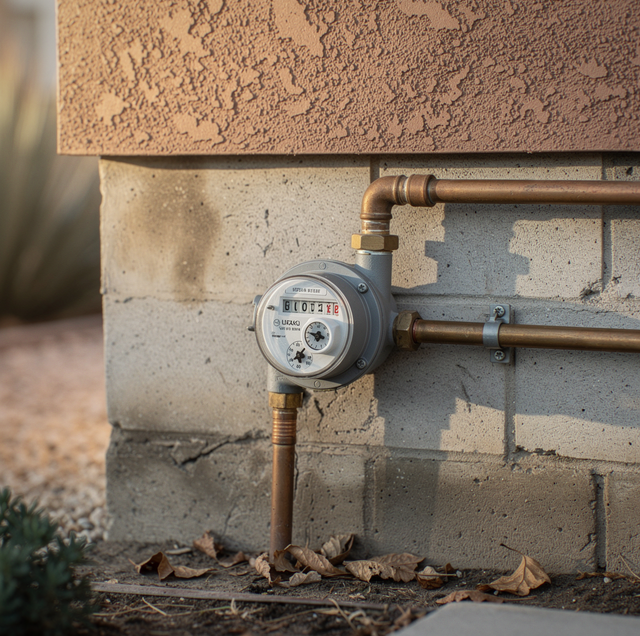
Most leaks you can see. A hidden leak is the one you can't, and that's exactly what makes it worth learning to spot. Water escaping behind a wall, under a floor, or below ground doesn't leave a puddle on the kitchen tile. It leaves smaller, indirect clues instead: a bill that climbs for no reason, a sound that shouldn't be there, a patch of floor that feels warm underfoot. None of those clues prove much on their own, but taken together they build a pretty clear picture, and reading that picture early is what keeps a hidden leak a plumbing repair instead of a much bigger project involving flooring, drywall, or the foundation itself.
An Unexplained Jump in Your Water Bill
A pressurized supply line that's leaking doesn't take breaks. It runs day and night, whether anyone's home or not, so it adds up fast on a meter that measures every gallon. If your bill climbs noticeably from one month to the next and nothing about your routine has changed- no new appliance, no extra loads of laundry, no guests staying over- that gap between what you're using and what you're paying for is one of the more reliable early signals something is leaking out of sight.
It helps to look back a few billing cycles rather than judging off a single month, since usage naturally shifts with the seasons and with things like watering a garden. A steady climb that doesn't track with anything you're actually doing, though, points toward a leak that's been running the whole time quietly.
Running Water You Can Hear But Not See
Pipes carrying pressurized water make a distinct sound when they're moving that much water, and normally that sound only shows up when a faucet or appliance is actually on. If you hear a hiss, a trickle, or a steady rushing sound coming from inside a wall, under the floor, or near a fixture, and every faucet in the house is shut off, that sound is water finding a path it isn't supposed to take.
This clue is easiest to catch in a quiet house, late at night or first thing in the morning before appliances start cycling. Walk past walls and floors near your main water line and bathrooms, and pause anywhere the sound seems louder than the rest of the house. A sound that's constant rather than tied to a specific fixture turning on is the detail that separates a real hidden leak from normal plumbing noise.
How to Run the Water Meter Test Yourself
You don't need any special equipment to get a strong read on whether water is escaping somewhere in your system, just access to your water meter. Shut off every fixture and appliance that uses water: no faucets running, no dishwasher or washing machine mid-cycle, no ice maker filling. Then find your meter and note its reading, or check the small leak indicator dial that many meters include, which spins whenever water is flowing through the line.
Wait 20 to 30 minutes without using any water, then check the meter again. If the reading has changed, or if that leak indicator has moved even slightly, water is passing through your system somewhere with nothing turned on to explain it. A meter that holds perfectly still over that window is a good sign your main supply line and fixtures are sealed up the way they should be.
Run this test twice, once during the day and once overnight, before you rule a leak out. A very small leak can be hard to catch in a short window, and a longer overnight test with everything off gives even a slow drip more time to register on the meter.
Warm or Damp Spots on the Floor
If a hot-water line is the one leaking, the escaping water carries heat with it, and that heat can work its way up through flooring above wherever the pipe runs. A patch of tile, laminate, or concrete that feels noticeably warmer than the rest of the room, with no heating vent or sunlight to explain it, is a strong sign of water moving through a line that shouldn't be losing any.
Dampness works the same way with either a hot or cold line. Carpet that stays damp without an obvious cause, tile grout that darkens, or a section of hardwood that starts to cup or buckle can all mean moisture is working its way up from below rather than coming from a spill or a humid day. Flooring is meant to sit on a dry surface, so any part of it that behaves differently from the rest deserves a second look.
Musty Smells and Mold That Won't Go Away
Standing water that never gets a chance to dry out is exactly what mold and mildew need to take hold, and a hidden leak provides a steady, ongoing water source that a one-time spill never would. A musty smell that lingers in one room, a closet, or along one wall, especially one that doesn't clear up after you air the space out, often means moisture is collecting somewhere behind a surface rather than just sitting in the air.
Visible mold on drywall, baseboards, or the underside of cabinets is the more obvious version of the same clue. By the time mold is visible, moisture has usually been present long enough to feed it, which means the leak behind it has likely been running for a while already. Catching the smell before the mold becomes visible is preferable, since it gives you a chance to find the source before it spreads further.
Moisture Near the Foundation or Crawlspace
Homes built with a crawlspace or a slab foundation both have plumbing lines running through or beneath them, and a leak in either location tends to show up as ground-level moisture rather than an obvious drip. In a crawlspace, that can mean standing water, saturated soil, or a musty smell whenever you check underneath the house. Around a slab foundation, watch for soft or unusually damp soil hugging the perimeter, especially in a spot that stays wet well after the rest of the yard has dried out.
Cracks that appear in flooring or nearby walls are a later-stage version of this same clue, since water escaping under a foundation can gradually shift the soil supporting it. That kind of shifting takes time to develop, which is exactly why catching the earlier, smaller signs of moisture matters. Foundation-related leaks are also some of the hardest to reach once they're confirmed, so an early catch has a real effect on how involved the eventual repair needs to be.
Other Clues Worth Checking
A handful of smaller signs round out the picture. A drop in water pressure with no obvious cause can mean that some of the pressure is being lost at an escape point somewhere along the line rather than reaching your fixtures. Discolored patches on a ceiling below a bathroom, or peeling paint and warped drywall near a wall that carries plumbing, often trace back to water traveling downward or sideways from a leak above or behind them. And a lawn that stays green or spongy in one strip while everything around it dries out normally can point to a supply line leaking underground rather than a drainage issue.
None of these clues need to show up all at once for a leak to be real. Even one or two together- a bill that's climbed alongside a musty smell, or a warm floor spot paired with a meter that won't sit still- is enough reason to look closer rather than wait for more obvious damage to show up.
If you notice several of these signs together, especially a moving meter combined with a warm or damp floor, shut off your main water supply and have the leak located as soon as you reasonably can. A hidden leak doesn't slow down on its own, and the longer it runs, the more it can affect flooring, drywall, and the soil around a foundation.
What to Do Once You Suspect a Hidden Leak
Once a few of these signs line up, the water meter test is the fastest way to confirm something is actually wrong before you start tearing into walls or flooring on a guess. From there, pinpointing the exact location matters just as much as confirming the leak exists, since opening the wrong section of the floor or wall causes damage that didn't need to happen. Electronic listening equipment and pressure testing can pinpoint a leak without exploratory demolition, keeping the eventual repair as targeted as possible.
A hidden leak, caught at the bill-and-sound stage, is usually a simple pipe repair. Left alone, the same leak keeps feeding mold, keeps softening flooring, and keeps working on the soil beneath a foundation, turning a plumbing job into a much larger renovation. Reading the early signs is what keeps you on the easier side of that outcome.
Frequently Asked Questions
For a lot of homeowners, it's the water bill, since a leak that runs around the clock adds up over a full billing cycle in a way that's hard to miss once you compare it to a typical month. The sound of running water in a quiet house and a water meter that won't stay still are close behind, and all three tend to show up before any visible floor or wall damage.
Twenty to thirty minutes with every fixture and appliance off is usually enough to catch a moderate leak, but a very slow one can be easy to miss in that window. If your first test comes back clean but you're still seeing other signs, like an unexplained bill increase or a musty smell, run the test again overnight for a longer, more sensitive read.
Yes. Water escaping through a crack or a failed fitting never reaches your fixtures, so some homes see a noticeable drop in pressure alongside other signs. Pressure alone isn't a reliable stand-alone indicator, since plenty of things can affect it, but paired with a climbing bill or a moving meter, it adds weight to the case for a leak.
Not always, but it's common enough to take seriously, especially if it's confined to one room or wall and doesn't clear up after you air the space out. Musty odors usually mean moisture is sitting where it shouldn't be, and a hidden leak is one of the most common causes of that kind of ongoing dampness.
No. The water meter test only requires access to your meter and a stretch of time with the water off; listening for running water or checking for warm, damp spots on the floor takes nothing more than paying attention. Precisely locating a confirmed leak, on the other hand, usually calls for professional detection equipment, since guessing at a spot to open up could cut into the wrong section of the floor or wall.
The leak keeps running, and every sign on this list tends to get worse rather than better on its own. A climbing bill keeps climbing, a musty smell can turn into visible mold, and moisture near a foundation can eventually contribute to cracks or shifting. Acting on the early signs, rather than waiting for obvious damage, is what keeps the eventual repair smaller and more contained.
Schedule a leak detection visit — get a hidden leak pinpointed with electronic detection before it causes flooring damage, mold, or foundation issues. Done Right Drains and Plumbing serves Chula Vista, San Diego, and National City. Call (619) 737-3274.
