
Toilet Keeps Running? 5 Fixes That Stop the Sound
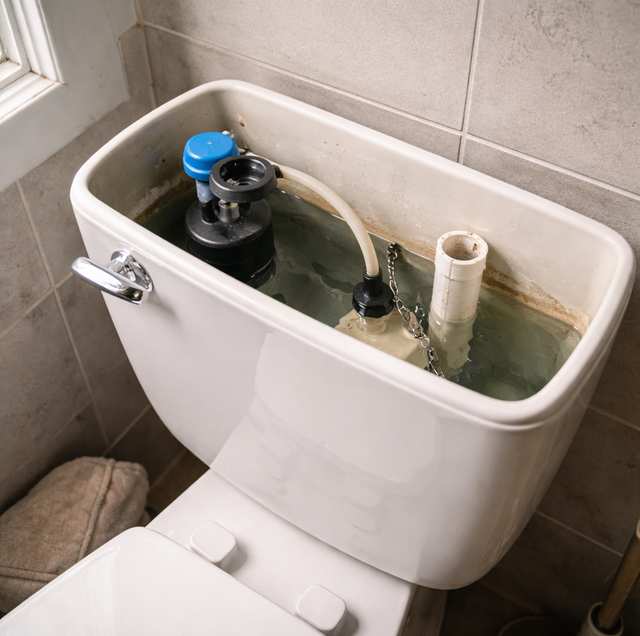
Quick Answer: A running toilet is almost always a worn flapper that no longer seals, a water level set too high so it spills into the overflow tube, a tired fill valve that will not shut off, or a flush chain that is too short or tangled. Find the culprit with a dye test, then replace or adjust the one part at fault. Shut the supply valve at the wall before removing anything.
A toilet that keeps running means water never stops moving through the tank because some part failed to seal or shut off. Instead of filling once and going quiet, the tank leaks water down into the bowl or up into the overflow tube, so the fill valve keeps topping it off. The steady trickle, the phantom refill every few minutes, the faint hiss at 2 a.m. all trace back to the same short list of worn parts, and most of them cost a few dollars and take fifteen minutes to swap.
How the Tank Actually Fills and Flushes
Before chasing a leak, it helps to know the three-second cycle that repeats every flush. When you push the handle, a lift chain pulls the flapper, the rubber disc at the bottom of the tank, up off its seat. That opens the drain and lets the tank dump its water into the bowl. As the tank empties, the flapper drops back down and seals against the seat like a stopper in a bathtub.
With the drain sealed again, the fill valve, the tall assembly on the left side, opens and sends fresh water into the tank. It also feeds a thin refill tube into the overflow tube, which tops off the bowl. A float rides up as the water rises. Once the float reaches its set height, it shuts the fill valve off, and the tank goes silent until the next flush.
A running toilet is that cycle stuck open somewhere. Either the flapper is not sealing so water keeps draining, and the fill valve keeps chasing it, or the shut-off never happens, and water pours endlessly into the overflow. Every fix below targets one link in that loop.
Run the Dye Test First
The most common cause, a leaking flapper, is often silent. Water slips past the seal so slowly you never hear it, but the fill valve still kicks on every ten or twenty minutes to replace what escaped. A dye test makes the invisible leak obvious.
Run a dye test to catch a silent flapper leak. Drop about ten drops of food coloring into the tank and wait fifteen to twenty minutes without flushing. If colored water creeps into the bowl, the flapper is leaking; if the bowl stays clear, the trouble is on the fill side.
The Four Parts That Cause a Running Toilet
A worn or warped flapper: Rubber flappers harden, curl, and pick up mineral scale over a few years, and once the edge no longer meets the seat cleanly, water seeps through. Shut the supply valve at the wall, flush to empty the tank, and unhook the old flapper from the pegs on the overflow tube and the chain from the handle arm. Bring the old one to the store to match the size, since two-inch and three-inch flappers are not interchangeable. Snap the new one on, reconnect the chain, and run another dye test to confirm the seal.
Mineral buildup on the flapper seat: Sometimes the flapper is fine but the seat it lands on, the plastic or brass ring around the drain opening, is rough with hard-water scale. A gritty seat lets water wick past even a new flapper. With the water off and tank empty, wipe the seat with a rag or a green scrub pad and gloved fingers to knock off the crust. Run your finger around the rim to feel for pits or grooves. A smooth seat and a fresh flapper usually solve a leak that a new flapper alone did not.
A chain that is too short, too long, or tangled: The lift chain has a narrow window of correct slack. Too tight, and it holds the flapper open a hair so the tank never seals. Too loose, and it can slip under the flapper and prop it open, or tangle so the flapper drops crooked. Adjust the chain so there is about a half-inch of slack when the flapper is closed, hooking it to a different link if needed. Clip off any long tail that could catch under the flapper.
A water level set above the overflow tube: If the dye test came back clean, look at where the water sits relative to the overflow tube, the open vertical pipe in the middle of the tank. The level should stop about an inch below the top of that tube. Set higher, water pours over the rim and down the drain nonstop, and the fill valve never shuts off. On modern column-style fill valves, pinch the clip on the float and slide it down; on older ball-float arms, turn the adjustment screw or gently bend the arm down. Lowering the float to stop the water an inch below the tube often ends the running on its own.
When the Fill Valve Itself Has Failed
If the water level is correct and the flapper seals, but the fill valve still hisses or cycles on its own, the valve has worn out inside. The internal seal or diaphragm no longer closes fully, so it leaks by. Replacing it is the biggest DIY job, but it's still manageable.
Shut the supply valve, flush, and sponge out the last inch of water. Disconnect the supply line under the tank, then loosen the lock nut holding the fill valve to the tank bottom and lift the old valve out. Drop in the new valve, tighten the lock nut by hand plus a light turn, reconnect the supply line, and set the height and float per the instructions on the package. Turn the water back on slowly and watch for drips at the connections.
Think of the fill valve as the float switch on a sump: when its shut-off seal wears, it can no longer tell the tank it is full, so it keeps feeding water long after it should stop. Swapping the whole valve is cleaner than trying to rebuild the worn seal inside.
Why a Running Toilet Wastes So Much Water
The trickle looks minor, but the volume adds up faster than almost any other household leak. A steadily running toilet can move on the order of hundreds of gallons a day, and even a slow silent flapper leak wastes far more than a dripping faucet because the water runs around the clock. That is water you pay for going straight down the drain, plus a fill valve cycling on all night. Catching the leak early with a dye test is the difference between a two-dollar flapper and a swollen water bill.
What You Can Fix Yourself and When to Call a Plumber
The four core fixes- replacing the flapper, cleaning the seat, adjusting the chain, and lowering the float- are firmly DIY. So is swapping a worn fill valve for most homeowners with a wrench and twenty minutes. In every case, shut the supply valve at the wall first so you are not fighting an overflow, and wear gloves since tank water and mineral scale are grimy.
Some situations point to a plumber. A cracked flush valve, the plastic drain body the flapper seats onto, means the whole assembly has to come out, which often requires pulling the tank off the bowl. A hairline crack in the porcelain tank itself will not seal with any part and needs professional judgment on repair versus replacement. If you have swapped the flapper and the fill valve and the toilet still leaks, or the replacement parts for an older or imported toilet are hard to source, a plumber can track down the fit and rule out a warped seat or a bad gasket between tank and bowl.
One warning worth repeating: skip the in-tank drop-in bleach or blue cleaning tablets. They sit against the flapper and other rubber seals and chew them up over months, and a chewed flapper is the exact leak you are trying to end. Clean the bowl from the top instead.
Frequently Asked Questions
Do the dye test, then listen. If colored water reaches the bowl, it is the flapper or its seat. If the bowl stays clear but you still hear intermittent refilling, the fill valve is leaking internally. A quick tiebreaker: lift the float by hand while the toilet is running. If the hiss stops instantly, the float or level is the issue; if it keeps running with the float raised, the fill valve seal has failed.
Yes, universal repair kits sell the fill valve, flapper, and chain together in one box, and swapping all three at once makes sense on a toilet older than roughly seven to ten years since the parts age at a similar rate. Match the flapper size and confirm the fill valve fits your tank height. Doing the full kit avoids fixing one part only to have the next one fail a month later.
That is called phantom flushing, and it points to a slow flapper leak rather than a stuck-open valve. Water seeps past the flapper until the level drops far enough to trip the fill valve, which then runs a few seconds to refill and shuts off again. The cure is the same flapper or seat fix, but the intermittent pattern is the fingerprint that tells you it is a seal leak, not a level problem.
Hard water leaves scale on both the flapper edge and the seat, which shortens flapper life and is why one may fail every couple of years in a mineral-heavy home. A chlorine-resistant flapper made of a firmer material holds up longer than soft red rubber. Wiping the seat clean at each flapper change and keeping drop-in tablets out of the tank both stretch how long a new flapper lasts.
That thin tube is the bowl refill line, and it should send a small stream into the overflow tube only while the tank is refilling after a flush, then stop. If it runs constantly, the fill valve is not shutting off. If it has fallen out of the overflow tube and dangles below the water line, it can siphon and cause a phantom running sound, so clip it back so its end sits above the tank water, not submerged.
Yes. If the handle sticks down or the lift arm binds, it holds the flapper open, and the toilet runs nonstop. Jiggle the handle first as a test; if that stops it, the handle nut is loose or corroded, or the arm is catching on the tank wall. Tighten the handle nut inside the tank (it threads backward, so turn it the opposite way you expect) and make sure the lift arm swings freely without hitting anything.
Silence that running toilet before it drives up your next water bill — a quick diagnosis today saves gallons and hassle. Done Right Drains & Plumbing serves Chula Vista, San Diego, and National City. Call (619) 737-3274.
